
Portfolio Manager
• インサイト
El Niño risks and biodiversity investing in a warming world
The strongest El Niño in recent history is set to intensify droughts and floods worldwide, with climate change magnifying its impact and economic costs. Biodiversity serves as a natural buffer against extreme weather by enhancing ecosystem resilience and protecting critical resources. Companies already investing in nature-based solutions and resilient supply chains may be better equipped to navigate the disruptions ahead.
執筆者


Sector Lead
まとめ
- An imminent El Niño powerfully underscores economic risks of climate change
- Biodiversity acts as a buffer, boosting resilience for communities & companies
- The biodiversity strategy targets companies helping to protect natural capital
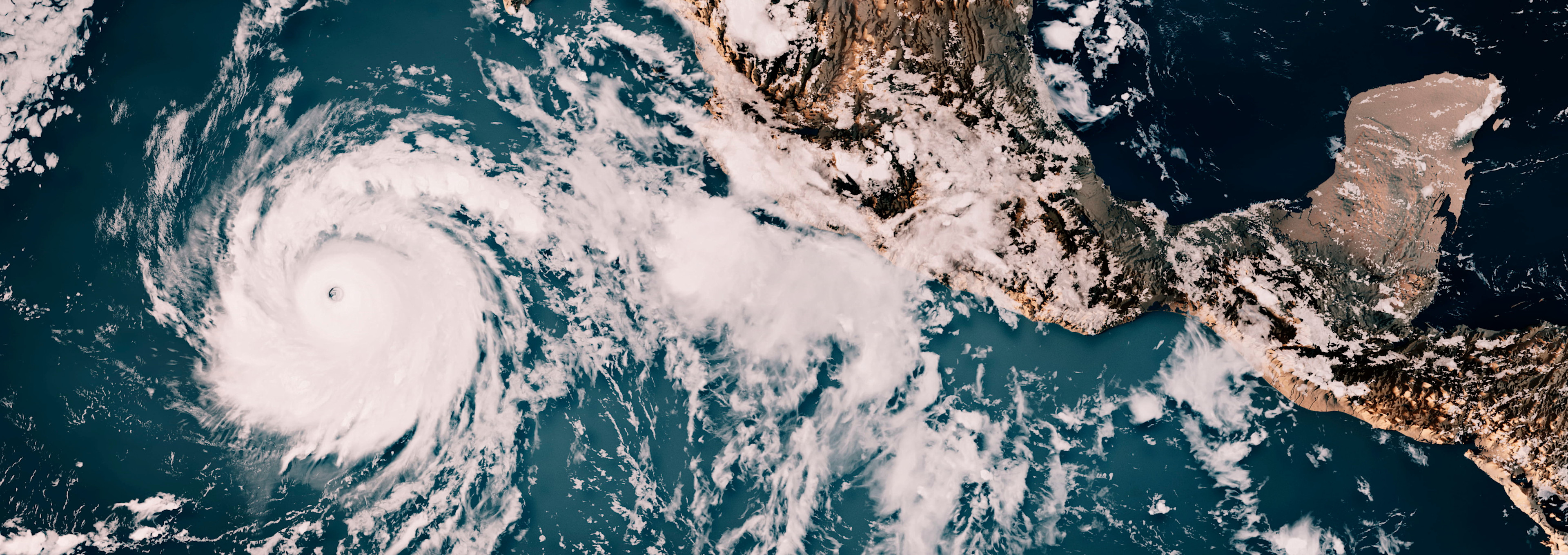
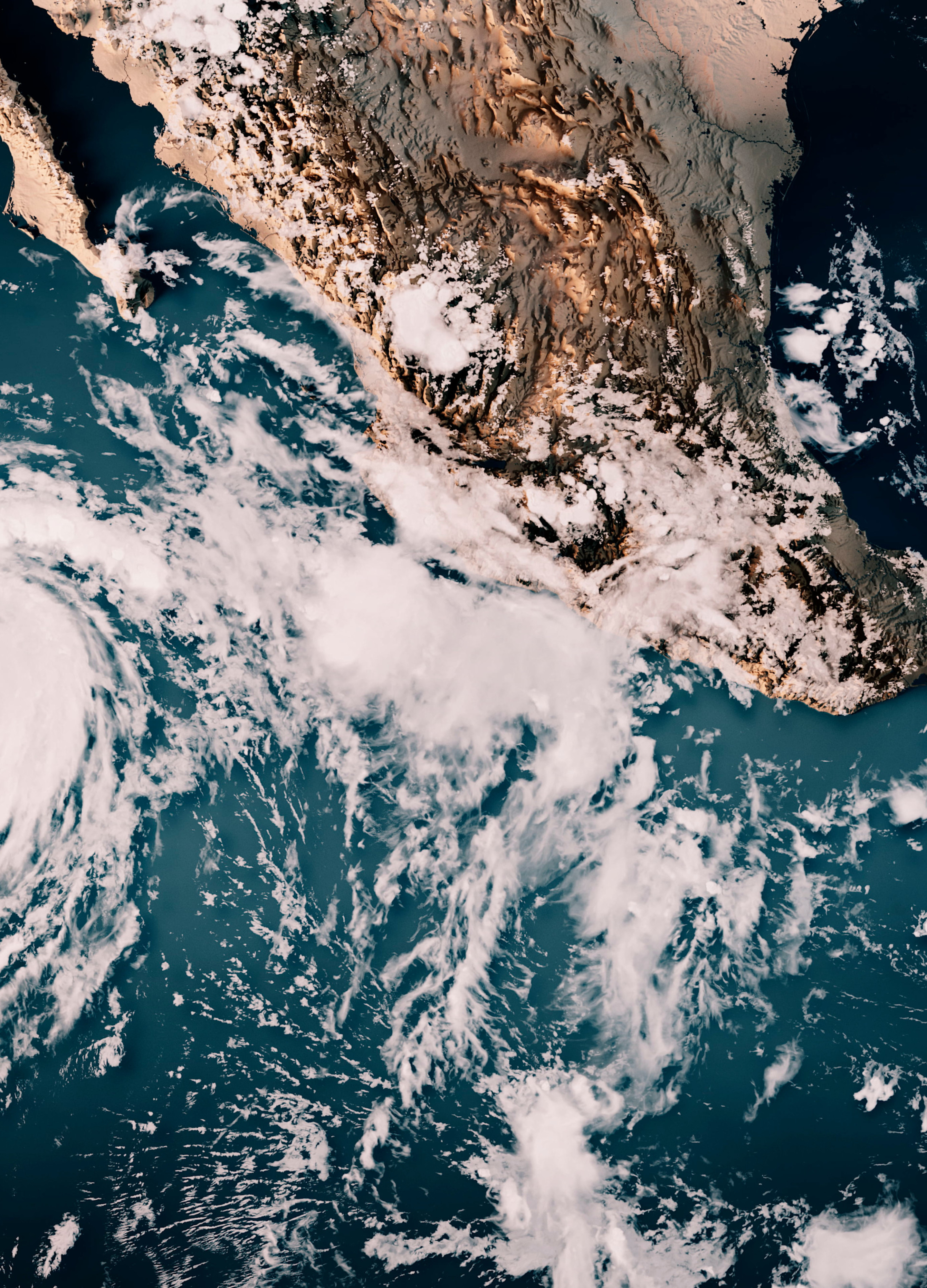
The 2026 El Niño is shaping up to be one of the most powerful on record. The National Oceanic and Atmospheric Administration (NOAA) currently assigns a 90% probability that it develops into a Super El Niño between October and December.
El Niño can trigger crop failures, food shortages, supply chain disruptions and inflationary pressures, while extreme weather damages infrastructure, reduces labor productivity, strains water and energy systems, and drives higher insurance losses. The result is a macroeconomic shock with significant implications for inflation, economic growth and corporate earnings. The IMF estimates that a typical El Niño increases global food prices by roughly 5% within a year, although there are regional differences.1 Citi estimates cumulative economic losses of USD 5-7 trillion over five years, equivalent to 4.5-6.4% of global GDP.2
Forests regulate rainfall, wetlands store water during droughts, healthy soils improve water retention, and biodiversity supports pollination and agricultural productivity. As biodiversity declines, these resilience mechanisms weaken and with significant economic consequences.
More than half of global GDP depends directly or indirectly on nature and the World Bank estimates harming it could result in economic losses of USD 2.7 trillion by 2030. That’s annual, not total. Yet the interaction between biodiversity loss, climate volatility and economic growth remains materially underappreciated by capital markets. As Mark J. Spalding, President & CEO of The Ocean Foundation, notes:
Every El Niño is a preview of what a warmer, less biodiverse ocean costs us, in fisheries, coastlines and communities. Biodiversity protection isn't separate from economic resilience; it's the foundation of it
His observation highlights the growing interconnection between biodiversity, climate resilience and economic performance. As natural capital deteriorates, economies become more vulnerable to climate shocks, affecting inflation, resource availability, supply-chain stability, corporate earnings and crucially, political capital.
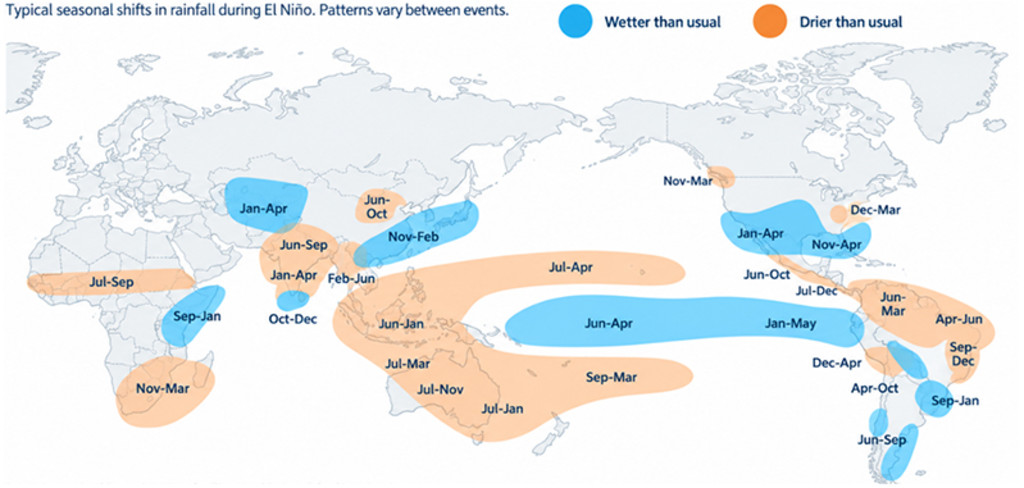
Figure 1 – El Niño will intensify weather extremes in regions across the globe
Source: Robeco, Columbia International Research Institute for Climate and Society (accessed 2026).
https://iridl.ldeo.columbia.edu/maproom/IFRC/FIC/elninorain.html
From risk to opportunity
The investment opportunity is not driven exclusively by government policy and corporate sustainability commitments. When climate disruption and biodiversity loss begin to affect harvests, water supplies, commodity prices and the reliability of global supply chains, they reshape the economics of entire industries. That creates demand for businesses that operate with greater resilience and produce with fewer natural-resource inputs.
The benefits of which can include improving water availability and quality, reducing pollution and waste, restoring degraded land, strengthening agricultural yields, or making materials and production processes more efficient. These solutions are increasingly becoming operational necessities rather than discretionary initiatives.
The effects also extend specifically to consumer-facing companies that depend on agricultural commodities, water and other natural-resource inputs. Businesses that improve soil health, protect water sources and secure more sustainable supply chains are better placed to secure essential raw materials, manage volatility in input costs and maintain production during environmental shocks.
For investors, this expands the opportunity from a narrow ‘green spending’ theme into a broader structural shift in how economies produce food, manage resources and build resilience. The World Economic Forum estimates that nature-positive business models could create up to USD 10 trillion in annual opportunities by 2030, including USD 3.6 trillion from sustainable food, land and ocean use.3
Importantly, biodiversity investing is already accessible today. Companies delivering environmental solutions, improving resource efficiency and enabling a more nature-positive economy operate across multiple sectors and collectively represent a multi-trillion-dollar market.
Figure 2 – Biodiversity loss is creating a significant investment opportunity

Source: Robeco, PwC 2023, WEF 2020, Citi Research & Global Insights 2021.
Spotlight on biodiversity during COP17
Momentum is building ahead of COP17 in Yerevan, Armenia (19-30 October 2026) where 196 countries will conduct the first formal review of progress against the 2030 Global Biodiversity Framework targets. While approximately 90% of countries have established national biodiversity targets, data, implementation strategies, and funding gaps remain significant challenges.
COP17 is expected to mark the transition from biodiversity target-setting to biodiversity implementation, with a strong focus on financing, accountability and measuring progress against previously agreed targets. It’s time to put meat on the bones of the agreed USD 200 billion per annum spend. Greater policy support, regulatory clarity and financial commitments could further accelerate private-sector investment in biodiversity-related solutions and strengthen the long-term growth outlook for companies exposed to these themes.
A strategy positioned for structural growth
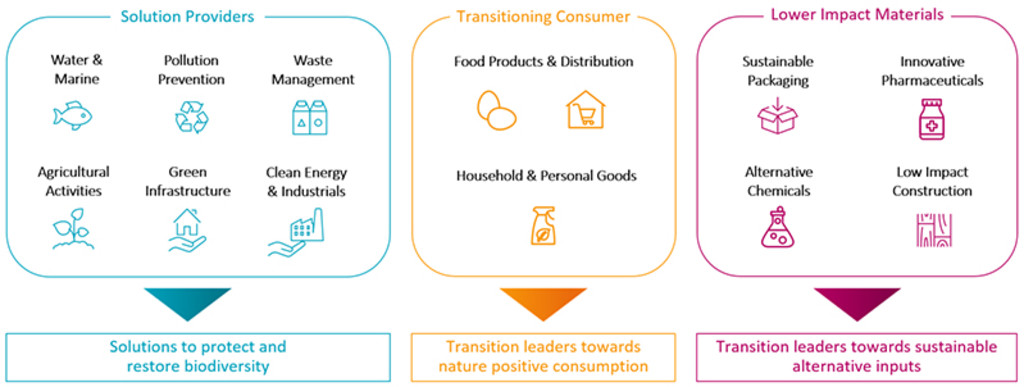
The Robeco Biodiversity Equities strategy focuses on companies that either help solve biodiversity challenges or are helping mititage biodiversity loss. The portfolio is built around three clusters:
Solution providers benefit directly from rising demand for water management, waste treatment, technology enablers and environmental infrastructure.
Transitioning consumer companies are reducing their biodiversity footprint through sustainable and environmentally responsible supply chains.
Lower-impact material providers that enable the transition through sustainable packaging, environmental monitoring tools, alternative chemicals and lower-impact construction materials.
Figure 3 – Robeco’s Biodiversity Equities strategy’s investment universe
Source: Robeco
Together, these segments aim to provide diversified exposure across the biodiversity value chain while maintaining a focus on high-quality companies with durable competitive advantages, strong cash generation and attractive long-term returns. For example, Veolia (a solution provider) is a critical supplier of water treatment and recycling solutions for cities and industries. Sprouts Farmers Market (a transitioning consumer) is a large US supermarket chain offering fresh, natural and organic foods. Finally, Novonesis – of the lower-impact materials group – makes natural, bio-based inputs to replace chemicals in food, agriculture, biofuels and other household products (see Figure 3).4
Beyond stock selection, engagement is intended to serve an important lever for real-world impact. Robeco aims to have 25% of the Biodiversity Equities strategy under enhanced engagement, led by our Active Ownership team. These long-term agreements outline clear milestones which underpin the goal of improving corporate biodiversity performance and strengthening long-term value creation.
Conclusion
El Niño is more than a weather event. Its increasing intensity highlights a fundamental investment reality: climate risk, biodiversity loss and economic outcomes are becoming increasingly interconnected. As ecosystems and natural resources deteriorate, future climate shocks are likely to become more economically costly.
What were once viewed primarily as environmental issues are increasingly emerging as drivers of inflation, supply-chain disruption and earnings volatility. As biodiversity moves from policy ambition to economic reality, companies that strengthen resilience, improve resource efficiency and protect natural capital are likely to be among the long-term winners.
Footnotes
1Allianz Economic Research, El Nino, July 2026.
2 Citi, Global Economic Outlook & Strategy, June 2026.
3World Economic Forum, ‘New Nature Economy Report II: The Future of Nature and Business.’ July 2020.
4The companies/securities shown here are for illustrative purposes only in order to demonstrate the investment strategy on the date stated. The companies/securities are not necessarily held by a strategy/fund nor is future inclusion guaranteed. No inference can be made on the future development of the company. This is not a buy, sell, or hold recommendation.
重要事項
当資料は情報提供を目的として、ロベコ・ジャパン株式会社(以下「当社」)が独自に作成、または当社のグループ会社(Robeco Institutional Asset Management B.V.およびその関連会社を含む)から提供された資料を当社が編集・翻訳したものです。資料中の個別の金融商品の売買の勧誘や推奨等を目的とするものではありません。記載された情報は十分信頼できるものであると考えておりますが、その正確性、完全性を保証するものではありません。意見や見通しはあくまで作成日における弊社の判断に基づくものであり、今後予告なしに変更されることがあります。運用状況、市場動向、意見等は、過去の一時点あるいは過去の一定期間についてのものであり、過去の実績は将来の運用成果を保証または示唆するものではありません。また、記載された投資方針・戦略等は全ての投資家の皆様に適合するとは限りません。当資料は法律、税務、会計面での助言の提供を意図するものではありません。 ご契約に際しては、必要に応じ専門家にご相談の上、最終的なご判断はお客様ご自身でなさるようお願い致します。 運用を行う資産の評価額は、組入有価証券等の価格、金融市場の相場や金利等の変動、及び組入有価証券の発行体の財務状況による信用力等の影響を受けて変動します。また、外貨建資産に投資する場合は為替変動の影響も受けます。運用によって生じた損益は、全て投資家の皆様に帰属します。したがって投資元本や一定の運用成果が保証されているものではなく、投資元本を上回る損失を被ることがあります。弊社が行う金融商品取引業に係る手数料または報酬は、締結される契約の種類や契約資産額により異なるため、当資料において記載せず別途ご提示させて頂く場合があります。具体的な手数料または報酬の金額・計算方法につきましては弊社担当者へお問合せください。 当資料及び記載されている情報、商品に関する権利は弊社に帰属します。したがって、弊社の書面による同意なくしてその全部もしくは一部を複製またはその他の方法で配布することはご遠慮ください。 商号等: ロベコ・ジャパン株式会社 金融商品取引業者 関東財務局長(金商)第2780号 加入協会: 一般社団法人 資産運用業協会