
Climate Specialist

• SI Debate
SI Debate: COP30 sees progress amid ambiguity
Robeco is staying the course – that is the thrust of our 2025-2030 climate and nature transition plan. But are governments also staying the course? What did they achieve at COP30 in Belem? In this column, we analyze the outcomes of the annual climate summit and its relevance for investors.
執筆者




Head of SI Thought Leadership and Climate & Biodiversity Strategist
まとめ
- COP30 delivers progress but with increasing policy ambiguity
- Investors face a disorderly transition with amplified risks
- Active investing and ownership remain an opportunity
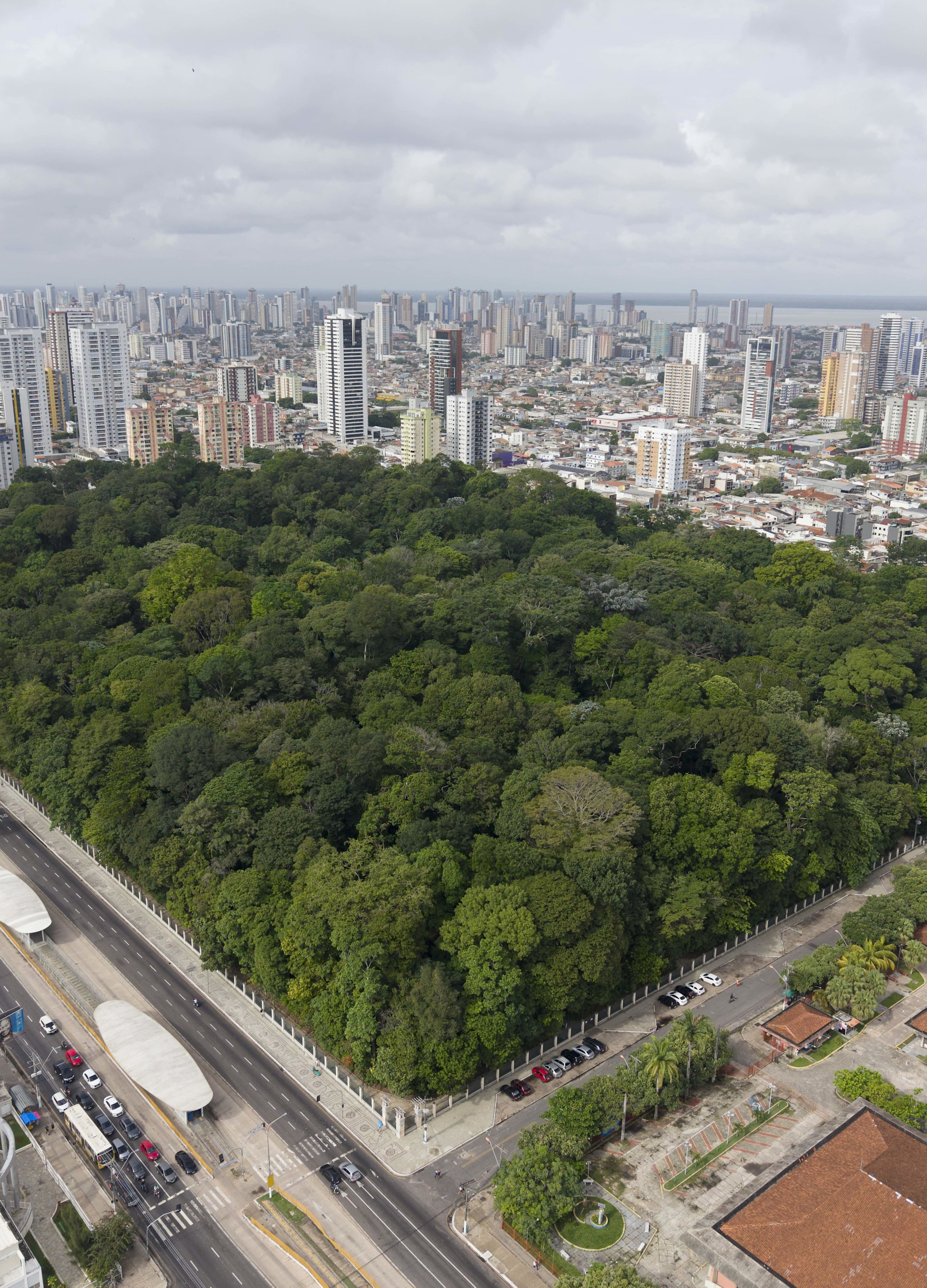
The COP30 made clear once again that multilateral collaboration has been seriously eroded. After the failures earlier this year of the UN Plastics Treaty and the global levy on international shipping, COP30 produced a meager plenary outcome without any useful language on fossil fuels, nor new binding targets.
On the other hand, COP30 reaffirmed the commitment of countries to the goals of the Paris Agreement, mobilized new financing tools for climate adaptation, and launched several initiatives for accelerating the energy transition, particularly in emerging economies. In the words of Ana Toni, CEO of COP30: “We went in the direction that we needed to go, but not the speed.”
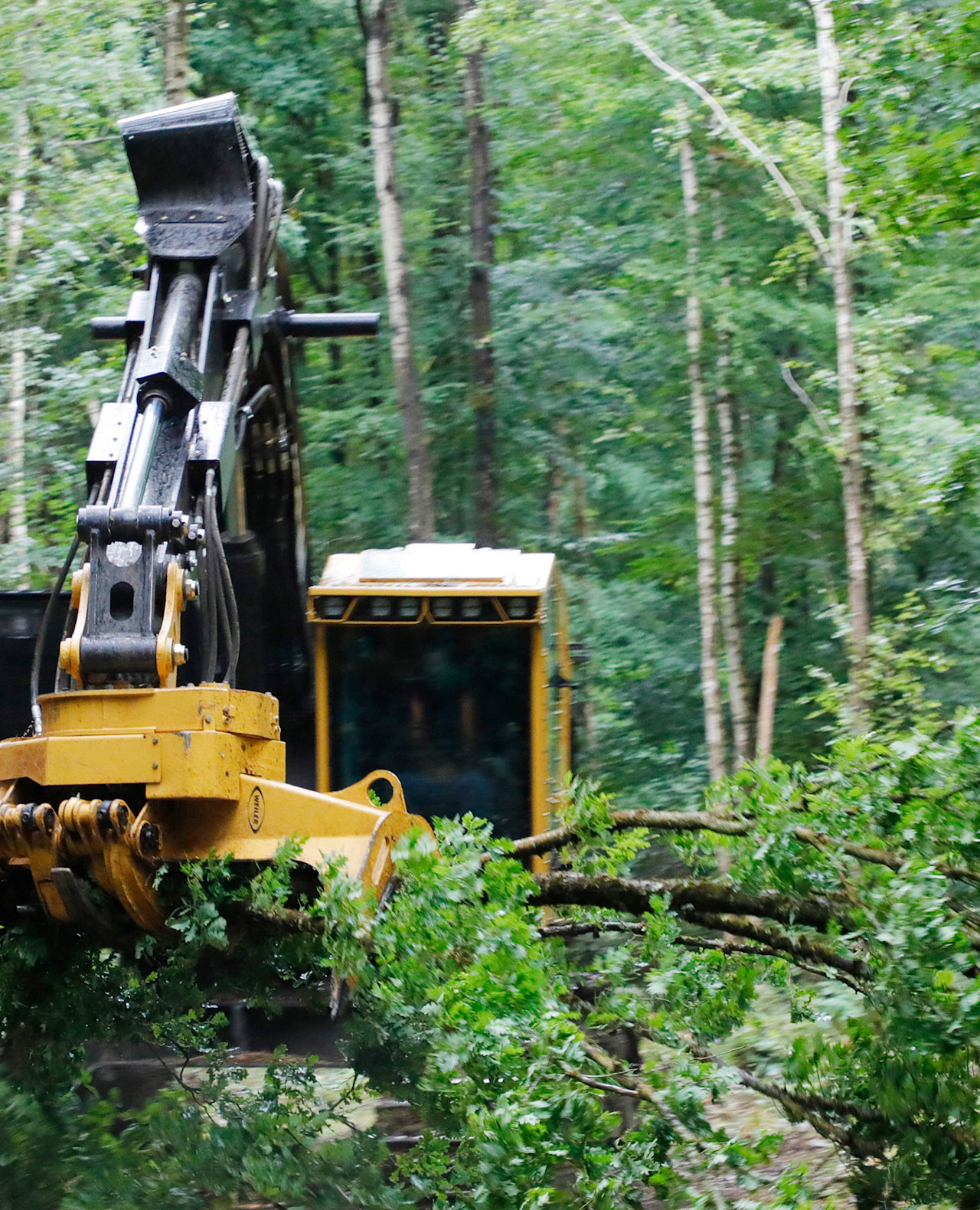
It is remarkable that the two priorities of the Brazilian COP30 Presidency – tackling deforestation and phasing out fossil fuels – were advanced outside of the plenary agenda as separate initiatives to be carried out by coalitions of countries. This ambiguity makes clear that the climate transition is a multi-speed transition. Geopolitical fragmentation has amplified regional differences and increases the unevenness of transition-related risks and opportunities across sectors and regions. Let’s explore this for COP30’s two priority topics.
A multi-speed energy transition
As the world’s ninth largest oil producer, Brazil proposed to discuss a roadmap away from fossil fuels. Strongly opposed in the plenary, the initiative will be taken forward by an EU-led group of 80 nations. However, key players like the US, China, India, Russia and Saudi Arabia are missing.
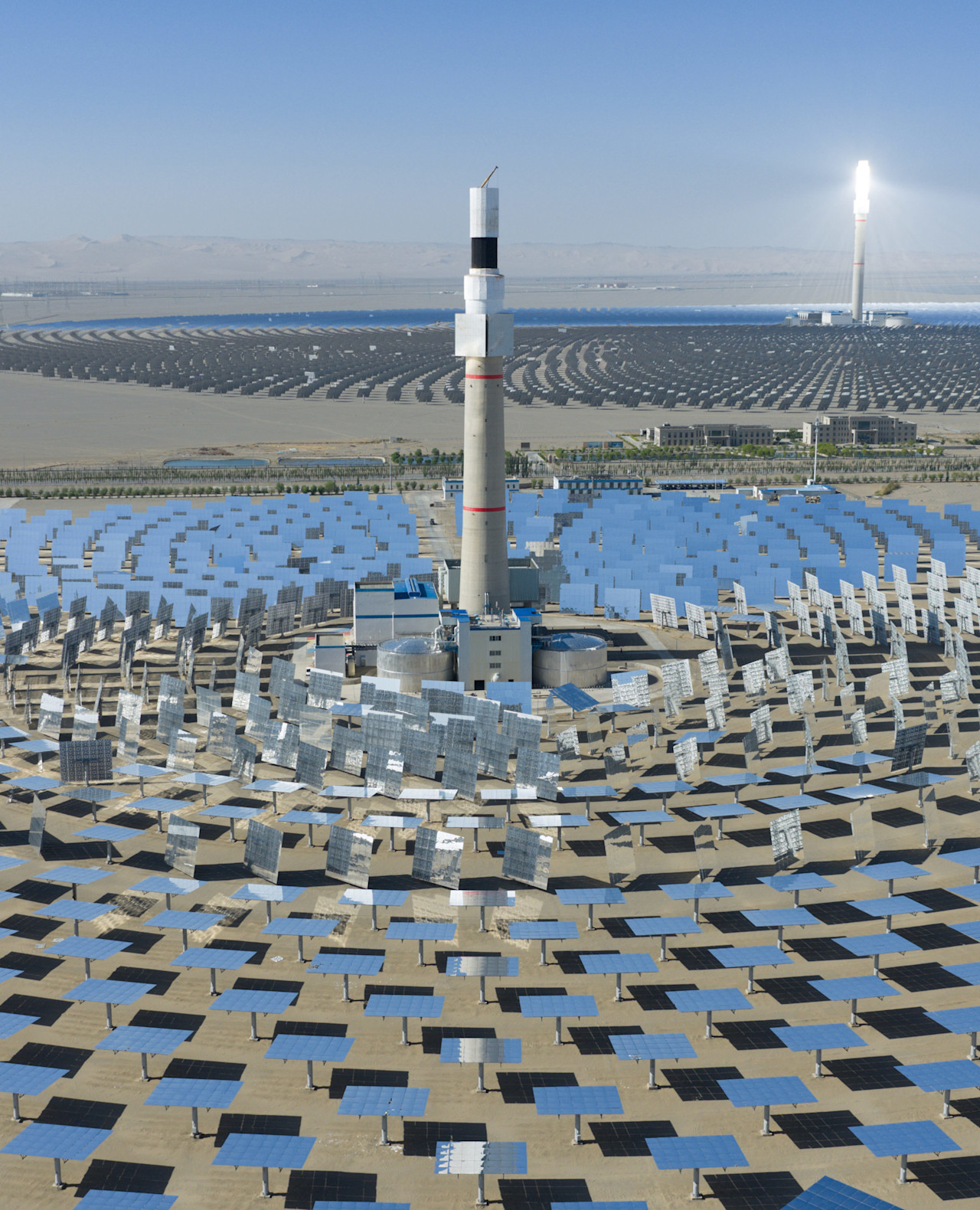
While COP30 failed to deliver a clear policy signal on fossil fuels, the 2025 World Energy Outlook (WEO)1, released by the International Energy Agency (IEA) just before COP30 leaves no doubt about the direction of travel. The WEO shows that regardless of the policy path, the world is heading toward the ‘Age of Electricity’. Even in the most conservative scenario, renewables are growing faster than any other major energy source.
最新のインサイトを受け取る
投資に関する最新情報や専門家の分析を盛り込んだニュースレター(英文)を定期的にお届けします。
Powering past coal
Under all scenarios, coal demand falls. We saw this trend at COP30 with South Korea and Bahrain signing up to the Powering Past Coal Alliance2. For oil and gas, future demand varies significantly across policy scenarios. Both fuels are here to stay in the coming decades, but are not free of risks – precisely because of the policy uncertainty. For example, the IEA repeatedly highlights the risk of a significant LNG glut in 2030.
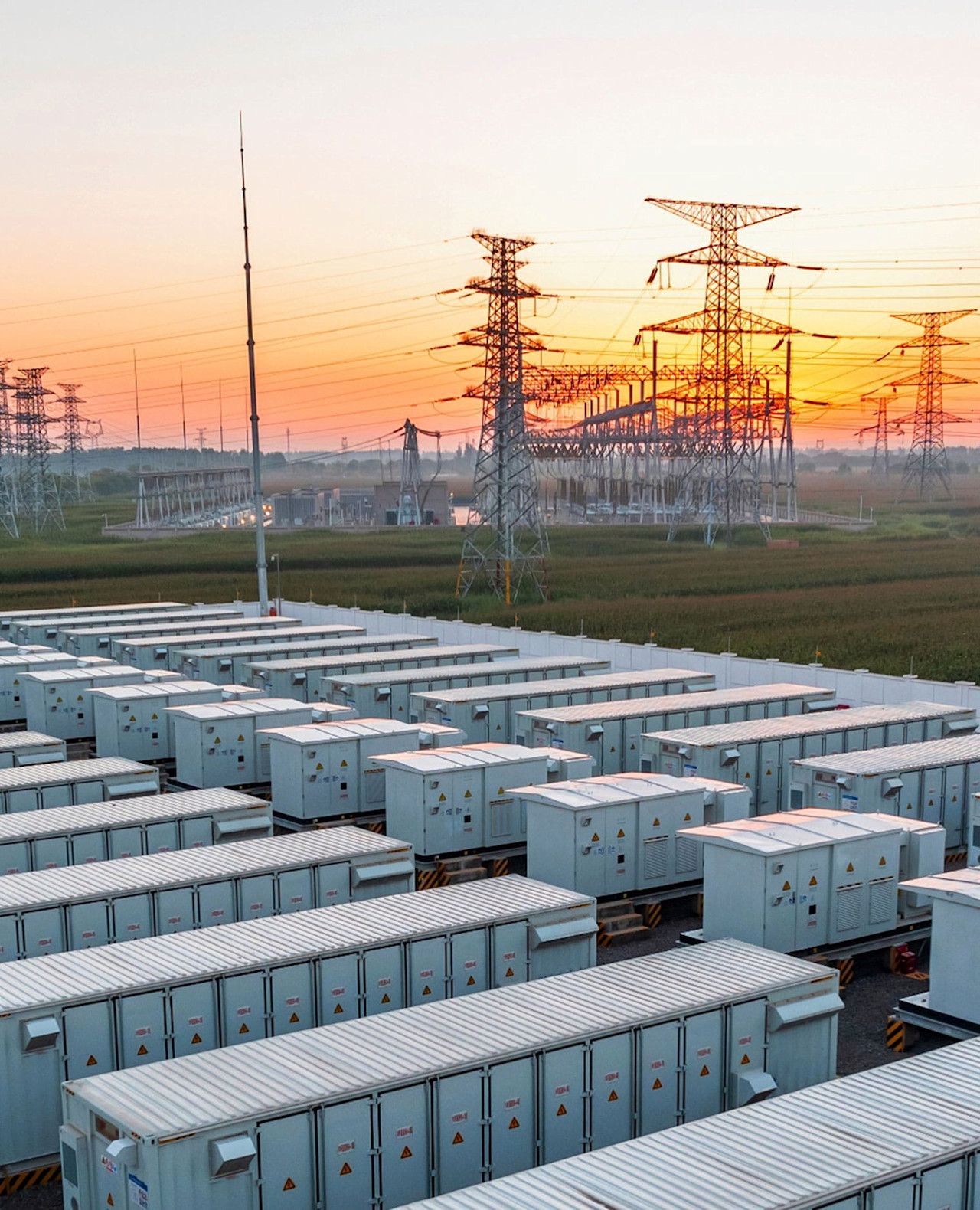
The WEO makes crystal clear that the continued build-out of clean energy is transforming the structure of the global energy system. This monumental shift is unfolding without orchestration by governments. Investors should therefore anticipate a disorderly transition, with widening regional differences in speed, and amplified return premiums for opportunity and risk by region, by sector, and over time.
Consistency is not on the table. For example, despite the significant climate policy rollbacks this year, clean energy stocks are seeing a strong rebound and have outperformed the global index by more than 25% in the year to date. 3
Adaptation and nature in focus
The policy ambiguity on fossil fuels reinforces the reality that temperatures will continue to rise and extreme weather events will increase. One of the landmark outcomes of COP30 was a goal to triple adaptation finance by 2035. Governments also elevated the focus on nature protection and nature-based solutions.
The Tropical Forest Forever Facility (TFFF) was launched with USD 6.7 billion in commitments and a long-term goal of investing USD 125 billion. As an early supporter in developing the TFFF, Robeco led a collaborative investor engagement with the Dutch government which resulted in a financial contribution to the start-up costs of the fund.
While investment opportunities from adaptation and nature are still nascent, COP30 sends a clear message that this market is growing. Unlike climate mitigation, countries do not have an opt-in on climate adaptation: they will have to do it regardless.
Broadening the investable transition
In the coming years, the investable transition will broaden from clean energy and low-carbon industry to nature-based assets and adaptation finance. We foresee growth opportunities in fixed income (e.g. sovereign adaptation bonds), private markets (resilient infrastructure) and industries such as construction and engineering, agriculture and pharmaceuticals.
At the same time, physical resilience will become increasingly material for portfolio construction. By definition it is location-specific, so understanding regional and local differences will be critical for capturing premiums from risks and opportunities.
Active investing and ownership remain an opportunity
Overall, the COP30 advanced the multilateral climate process, but did not send a strong signal for global collaboration on climate change. Instead, it reinforced the reality of increased fragmentation across markets and technologies.
From Robeco’s perspective, this is a moment to double down on the principles in our 2025-2030 climate and nature roadmap. Where governments use ambiguous or uncommitted language, corporate transition plans become even more material. As an active manager, we view this as an opportunity. Our fundamental research and proprietary climate and nature analytics enable us to identify transition leaders from laggards.
It also strengthens the case for active ownership by using the stewardship instruments of engagement and proxy voting. Supporting firms in developing credible transition plans can help create outperformance and shareholder value creation. Similarly, active ownership can help firms to avoid stranded assets or value erosion.
The post-COP30 landscape is dynamic, complex, and full of potential. Complacency is a risk, but active investing and ownership is an opportunity.
Footnotes
1World Energy Outlook 2025 – Analysis - IEA
2Republic of Korea and Bahrain join the Powering Past Coal Alliance at COP30 - PPCA
3Based on the S&P Global Clean Energy Transition Index and the S&P Developed Large and Mid-Cap Index, as of 28 November 2025.
重要事項
当資料は情報提供を目的として、ロベコ・ジャパン株式会社(以下「当社」)が独自に作成、または当社のグループ会社(Robeco Institutional Asset Management B.V.およびその関連会社を含む)から提供された資料を当社が編集・翻訳したものです。資料中の個別の金融商品の売買の勧誘や推奨等を目的とするものではありません。記載された情報は十分信頼できるものであると考えておりますが、その正確性、完全性を保証するものではありません。意見や見通しはあくまで作成日における弊社の判断に基づくものであり、今後予告なしに変更されることがあります。運用状況、市場動向、意見等は、過去の一時点あるいは過去の一定期間についてのものであり、過去の実績は将来の運用成果を保証または示唆するものではありません。また、記載された投資方針・戦略等は全ての投資家の皆様に適合するとは限りません。当資料は法律、税務、会計面での助言の提供を意図するものではありません。 ご契約に際しては、必要に応じ専門家にご相談の上、最終的なご判断はお客様ご自身でなさるようお願い致します。 運用を行う資産の評価額は、組入有価証券等の価格、金融市場の相場や金利等の変動、及び組入有価証券の発行体の財務状況による信用力等の影響を受けて変動します。また、外貨建資産に投資する場合は為替変動の影響も受けます。運用によって生じた損益は、全て投資家の皆様に帰属します。したがって投資元本や一定の運用成果が保証されているものではなく、投資元本を上回る損失を被ることがあります。弊社が行う金融商品取引業に係る手数料または報酬は、締結される契約の種類や契約資産額により異なるため、当資料において記載せず別途ご提示させて頂く場合があります。具体的な手数料または報酬の金額・計算方法につきましては弊社担当者へお問合せください。 当資料及び記載されている情報、商品に関する権利は弊社に帰属します。したがって、弊社の書面による同意なくしてその全部もしくは一部を複製またはその他の方法で配布することはご遠慮ください。 商号等: ロベコ・ジャパン株式会社 金融商品取引業者 関東財務局長(金商)第2780号 加入協会: 一般社団法人 資産運用業協会