
Head of Active Ownership
• インサイト
2026年の新たなエンゲージメント・テーマ:気候変動とAIを対象に
ロベコのアクティブオーナーシップ・チームは2026年、気候変動や人工知能(AI)に対応するための3つのエンゲージメント・テーマを新たに設定します。
執筆者

まとめ
- 気候変動に対する物理的強靭性とソブリン・エンゲージメント
- AIの責任ある利用というテーマでは、エネルギー調達と社会的課題の管理に注目
- 紛争地域および生物多様性という2つの常設テーマは継続
新規設定の気候関連テーマでは、第1に、企業を対象に、深刻化する気象現象への物理的なエクスポージャーと適応準備についてエンゲージメントを行います。第2に、政府を対象に、地球温暖化や脱炭素化への対応について対話を実施します。3つめのテーマでは、世界中に普及し、数兆ドル規模の企業を生み出しているAIについて、その責任ある利用に取り組みます。
紛争地域における人権保護および生物多様性保全という2つの常設テーマも、ガザやウクライナでの紛争が続く状況を受けて、さらにはロベコが先頃発表した「気候・自然移行計画2025–2030」を踏まえて拡充します。これらが、アクティブオーナーシップ・チームがエンゲージメントと議決権行使を通じて投資のサステナビリティ向上に取り組み始めてから20周年という節目の年に取り組んでいくテーマとなります。
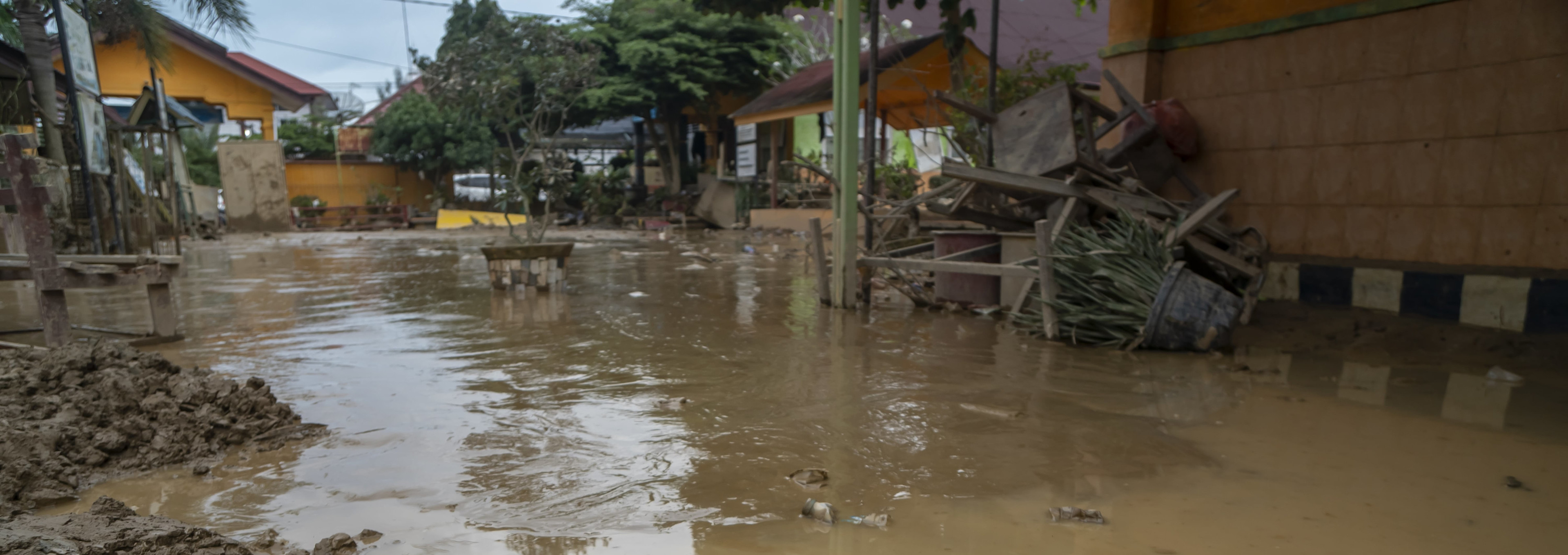
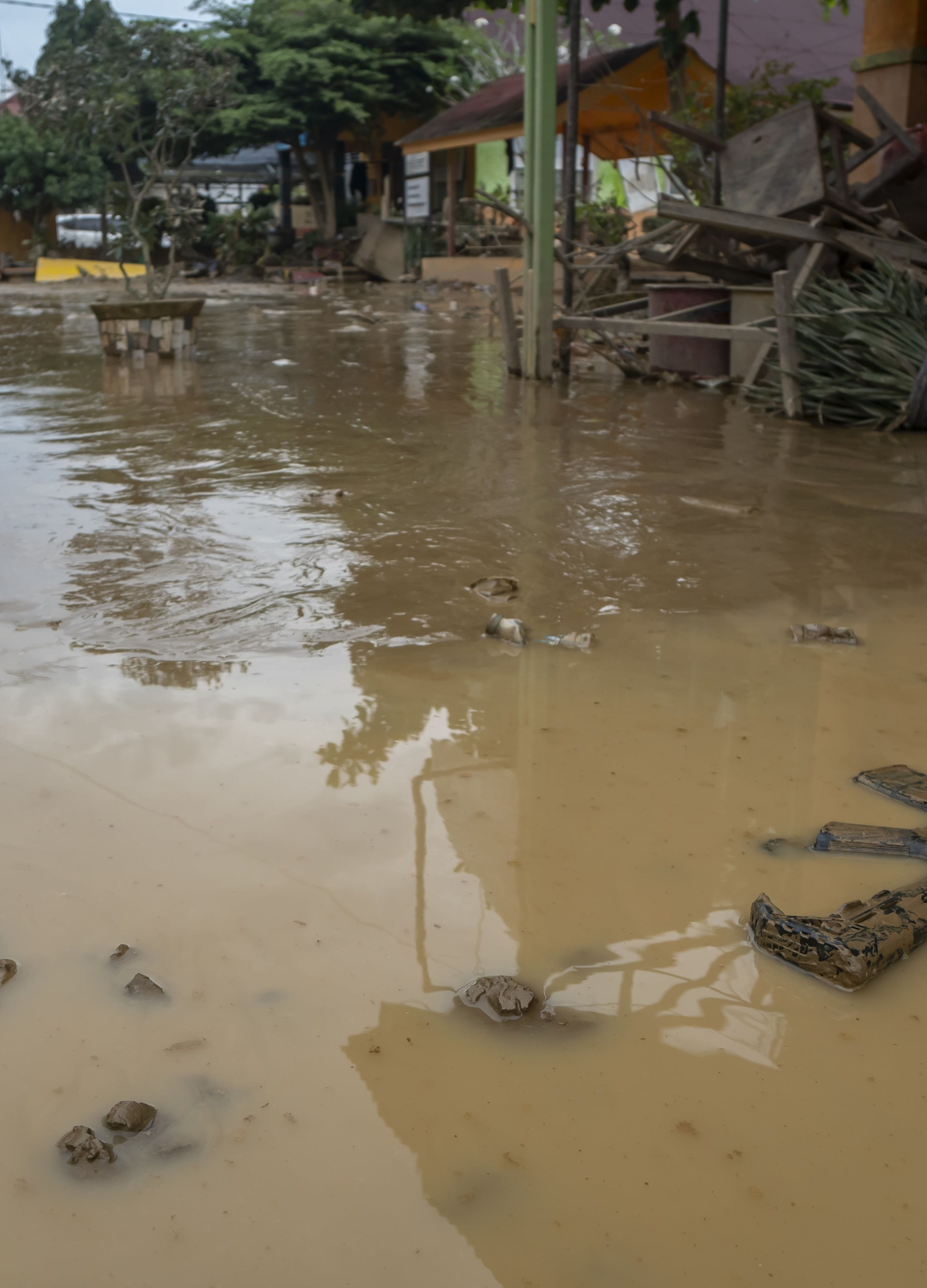
「移行(トランジション)とは異なる観点からの気候変動対策として、物理的強靭性(レジリエンス)をテーマとしたエンゲージメントを開始します。洪水、異常気象、水ストレスなど、最も大きなリスクにさらされるセクターに特に注目していきます」と、エンゲージメント・スペシャリストのAlex Mortimerは述べています。Mortimerは、同チームのHarry Ashmanと共にこのテーマを担当します。
「全ての企業は操業地域の状況に何らかの影響を受けますが、こうしたリスクへのエクスポージャーを示す信頼性が高く比較可能なデータは、未だ開発の途上にあります。現状では、入手可能な最善の研究を用いることで、気候の物理的リスクにさらされながら適応計画が不十分な企業を特定する必要があり、同時に、最新の研究結果を常に把握していくことも求められます。」
企業の保有資産が直接リスクにさらされていなくても、事業のサプライチェーンは影響を受ける可能性がある点にも留意すべきです。例えば、農業セクターは、水資源の確保状況や気象条件にどれほど依存しているでしょうか。食品加工工場が危険地域外にあっても、広域にわたる不作が発生し原材料を調達できなくなれば、その企業は操業を停止せざるを得ないでしょう。
ステークホルダー・マネジメント
シニア・エンゲージメント・スペシャリストのAshmanは次のように補足しました。「強靭性や適応の取り組みは、緩和策を代替するものではありません。しかし、脱炭素化が十分な速度で進まない限り、物理的災害の頻度や深刻さは増すばかりであり、強靭性と適応の必要性はかつてなく切迫してきています。」
「これまでの気候関連エンゲージメントの経験を基に、企業がこうしたリスクをどのように評価し、どのような適応策を講じているかを精査します。企業には、自社の事業にとどまらずバリューチェーン全体を考慮に入れ、自然へのアプローチも組入れ、政策当局や地域社会と連携して効果的な取り組みを行うことを求めます。このテーマは、物理的リスクをポートフォリオのリスク管理や投資判断プロセスに統合しようという従来からの取り組みをさらに推し進めることにも寄与します。」
欧州におけるソブリン・エンゲージメント
ソブリン・エンゲージメントは、ユーロ圏内の複数の国の政府を対象に実施します。必要なデータは、各国の低炭素社会への移行管理状況を評価する「ASCOR(ソブリン債の気候関連機会・リスク評価)」プラットフォームから取得します。このデータは、ロベコの「気候ユーロ国債ETF」における銘柄選定の基盤にもなっています。
環境エンゲージメント・クラスターを統括するCristina Cedillo Torresは次のように述べています。「ソブリン・エンゲージメントの分野では、これまでブラジルやインドネシアに対しては森林破壊について、オーストラリアやカナダに対しては気候変動について、既に対話に取り組んでいます。こうした経験を基に、ソブリン・エンゲージメント・プログラムを拡張し、気候変動に関する対話の対象を欧州各国政府へと拡大することとなりました。」
「これは集中的なエンゲージメント・プログラムとなり、過去数年のソブリン・エンゲージメントで得た経験を活かし、頑強な気候政策の重要性について、ロベコが投資プロセスの中で培った視座を積極的に提示するものです。」
AIに関する知見の獲得
テクノロジー企業やマイクロチップ(半導体)企業を対象にした、人工知能(AI)の責任ある利用をテーマとするエンゲージメントには、2つの側面があります。
「第1にエネルギー使用です。AI用のデータセンターは押しなべて膨大なエネルギーを消費し、炭素排出量を大幅に増加させる原因となっています」と、社会的課題エンゲージメント・クラスターを統括するDanielle Essinkは述べています。Essinkは同チームのSamuel Radfordと共に当テーマを主導します。
「そのため、エネルギー使用効率、再生可能エネルギーの利用状況、カーボン・フットプリント、そしてこれらのフットプリントが相殺可能かどうかを検証します。これが環境面の取り組みです。」
最新のインサイトを受け取る
投資に関する最新情報や専門家の分析を盛り込んだニュースレター(英文)を定期的にお届けします。
コンテンツと管理
エンゲージメント・スペシャリストのRadfordは次のように付け加えました。「AIが社会的にもたらす影響も重要です。特に誤情報の拡散やコンテンツの監視といった課題は、お客様にとって最大の関心事となっています。AIの利用が拡大する中、適切な統制を確立し、責任ある運用を確保する必要があります。ロベコのエンゲージメントでは、事後対応ではなく事前の対策がなされることを目指します。」
「とは言え、マイナス面だけに注目するわけではありません。AIがもたらす技術革新の機会については依然として非常に前向きに見ています。一部のビジネスモデルでは創造的破壊が起こり得る一方、生産性向上の可能性も存在します。」
紛争地域と自然環境
これら3つの新たなテーマは、紛争地域における人権、および生物多様性という、2つの常設テーマと並行して進められます。企業が紛争地域での操業や調達に際してデュー・デリジェンスを実施する必要性をテーマとするエンゲージメントは2022年に開始され、2025年に終了する予定でした。
Essinkは次のように語りました。「当エンゲージメント開始以降、地域的および国際的な紛争が増加している状況は極めて遺憾です。自社事業やサプライチェーンが紛争地域にある企業は難しい状況に直面しており、人権デュー・デリジェンス強化の重要性はかつてないほど注目されています。」
新たなロードマップへの適合
2021年発表のネットゼロに向けた気候関連ロードマップの更新版として、ロベコが11月に発表した「気候・自然移行計画2025–2030」に従い、当チームは各ポートフォリオ内の水、有害廃棄物、森林破壊に最も大きな影響を及ぼす企業に対し、自然関連エンゲージメント活動を強化します。
シニア・エンゲージメント・スペシャリストのLaura Boschは次のように述べています。「自然関連エンゲージメントの対象範囲を拡大し、自然喪失の要因に大きな影響を与えながら、そうしたリスクを効果的に管理できていない企業を優先対象として取り組みます。」
「ロベコの生物多様性信号(段階別)評価を活用し、自然関連エンゲージメント活動をさらに深化させるとともに、ロベコが先頃発表した『気候・自然移行計画』で公約した目標を着実に履行していきます。」
重要事項
当資料は情報提供を目的として、ロベコ・ジャパン株式会社(以下「当社」)が独自に作成、または当社のグループ会社(Robeco Institutional Asset Management B.V.およびその関連会社を含む)から提供された資料を当社が編集・翻訳したものです。資料中の個別の金融商品の売買の勧誘や推奨等を目的とするものではありません。記載された情報は十分信頼できるものであると考えておりますが、その正確性、完全性を保証するものではありません。意見や見通しはあくまで作成日における弊社の判断に基づくものであり、今後予告なしに変更されることがあります。運用状況、市場動向、意見等は、過去の一時点あるいは過去の一定期間についてのものであり、過去の実績は将来の運用成果を保証または示唆するものではありません。また、記載された投資方針・戦略等は全ての投資家の皆様に適合するとは限りません。当資料は法律、税務、会計面での助言の提供を意図するものではありません。 ご契約に際しては、必要に応じ専門家にご相談の上、最終的なご判断はお客様ご自身でなさるようお願い致します。 運用を行う資産の評価額は、組入有価証券等の価格、金融市場の相場や金利等の変動、及び組入有価証券の発行体の財務状況による信用力等の影響を受けて変動します。また、外貨建資産に投資する場合は為替変動の影響も受けます。運用によって生じた損益は、全て投資家の皆様に帰属します。したがって投資元本や一定の運用成果が保証されているものではなく、投資元本を上回る損失を被ることがあります。弊社が行う金融商品取引業に係る手数料または報酬は、締結される契約の種類や契約資産額により異なるため、当資料において記載せず別途ご提示させて頂く場合があります。具体的な手数料または報酬の金額・計算方法につきましては弊社担当者へお問合せください。 当資料及び記載されている情報、商品に関する権利は弊社に帰属します。したがって、弊社の書面による同意なくしてその全部もしくは一部を複製またはその他の方法で配布することはご遠慮ください。 商号等: ロベコ・ジャパン株式会社 金融商品取引業者 関東財務局長(金商)第2780号 加入協会: 一般社団法人 資産運用業協会