Head of SI Thought Leadership and Climate & Biodiversity Strategist

• 市場觀點
Eye of the hurricane: The three headwinds for climate investing
Global warming is viewed as one of the biggest systemic risks facing investors – so why doesn’t climate investing enjoy 100% support? Trillions of euros in investment capital are needed to boost renewable energy infrastructure, transform mobility and decarbonize entire industries. And as the Earth warms, the urgency is only increasing.
作者


概要
- Support drops in North America, as the issue is a politicized ‘culture war’
- Oil and gas companies will reign until the energy tipping point is achieved
- Legislating for biodiversity didn’t live up to the promise of Montreal
Yet, there are still headwinds to achieving the unified response necessary, as Robeco’s fourth annual Global Climate Investing Survey discovered. The 2024 edition highlighted three areas in which enthusiasm has slumped or even gone backward: the anti-ESG sentiment in North America; continued support for fossil fuels; and a lack of commitment to biodiversity preservation.
In North America, the number of respondents who said climate change was a significant or central part of their policy slumped from 61% in 2023 to just 35% this year. This was cited as being mainly due to a backlash against sustainable investing generally – in the belief that it hurts returns – that has grown in intensity in the past two years.

Source (for all charts): Robeco Global Climate Investing Survey 2024
In a stark reading of regional differences, this compared with 79% of Asia-Pacific investors and 76% of those in Europe. It brought the global average down from 71% to 62% last year. This was also seen in commitments to net zero, where North American interest fell from an already low 19% to 13%, while Europe remained steady at 37% and APAC’s interest rose from 20% to 26%.
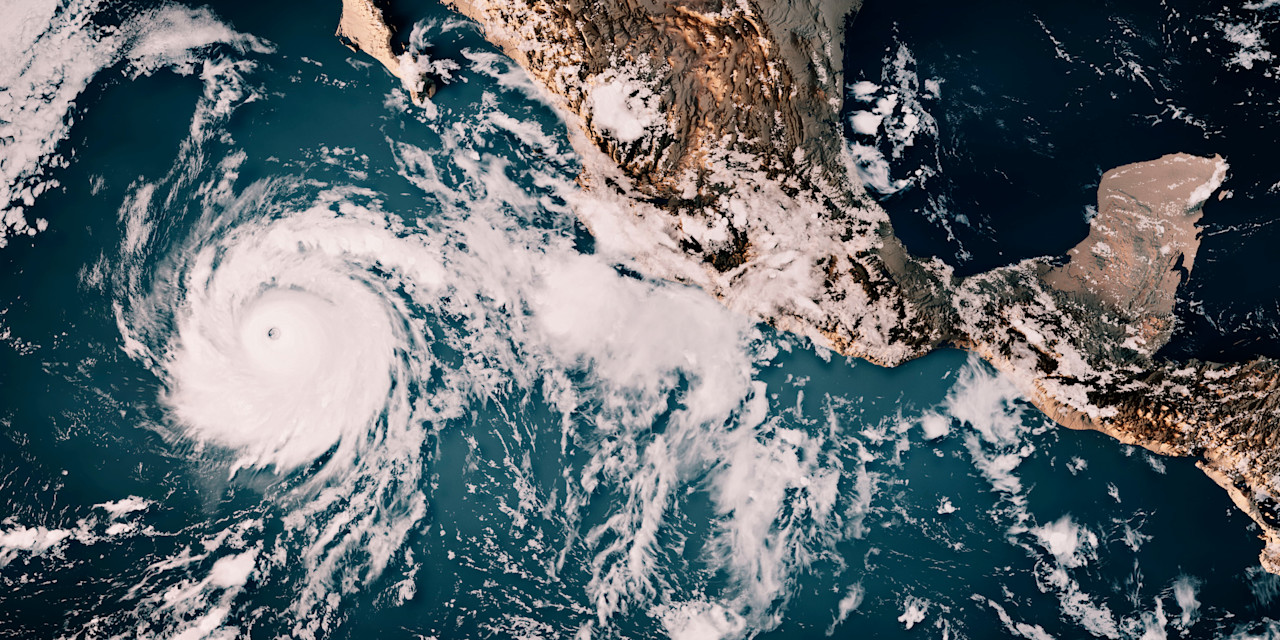
Ironically, North America has suffered greatly from the more extreme weather that global warming is bringing, from deadly hurricanes and floods, to tornados turning up in areas previously free from them. Rising sea levels would submerge low-lying regions such as Florida.
“It’s become a politicized and polarized culture war between the Republicans and Democrats in the US, which has become disconnected from the facts and reality,” says Lucian Peppelenbos, Climate and Biodiversity Strategist at Robeco.
“The reality is that climate change has been impacting the US economy big time for years, and the costs of it are increasing. They are getting massive bills from natural catastrophes and if assets such as homes and businesses can no longer be insured, that will have a huge impact on the wider economy.”
“But the good news is the transition is also happening. The US has been decarbonizing since 2007, and the Inflation Reduction Act (IRA) has been a complete success in boosting green investments. That, frankly, is the most important piece of climate legislation in the history of the US.”
“And let’s remember that there’s a valid point that lay at the cradle of the anti-ESG movement, before it got politicised. This is the question that if the public sector doesn’t legislate to combat climate change, how far can the market go to do it instead? But all of these things come in waves, and so the ESG tide will turn again.”
The fossil fuel elephant
The second headwind is often described as the ‘elephant in the room’ for climate investing – whether to hold fossil fuel companies in portfolios. The number of investors pledging to completely divest from oil and gas companies in the short term dropped from 23% to 14% last year. Some 15% said they would continue to invest as long as they continued to generate returns.
The returns issue lies at the heart of the problem, since energy companies have been among the best performers on stock markets since Russia invaded Ukraine in 2022. While sustainable asset managers will seek to reduce emissions, they also have a fiduciary duty to make money for their stakeholders. Excluding fossil fuel companies would therefore cause underperformance.
“Oil and gas is a tricky issue, but the situation is that total energy demand is still growing quicker than what renewables can fill up,’ Peppelenbos says. ‘’Around two-thirds of the increased energy demand in 2023 was met by fossil fuels. While renewable energy has grown massively, its share is still only around 20% of total energy demand.”

Reaching a tipping point
“Fossil fuel demand will start to go down when there are more EVs on the road, for example, while renewable capacity will continue to be ramped up. Then we will reach a tipping point and investments in new oil and gas projects will dry up.”
“Don’t forget that we’re in the middle of a massive historical transformation in which reaching this tipping point will be beset with ups and downs. We’re moving from fossil fuels to net zero with this messy period in-between.”
“And of course, renewables have also had their own headwinds in terms of things like rising interest rates, which is difficult for a capital-intensive growth industry. Inflation means costs are going up in the supply chain, and we also need massive capacity enhancement to the grid. But the picture will look very different in a few years’ time.”
A back seat for biodiversity
The third headwind is declining interest in protecting biodiversity, which many believe to be the other side of the coin of tackling global warming, since nature is inexorably linked to climate change.
Deforestation exacerbates global warming, while almost half of global GDP is linked to nature in some way.
The number of investors for whom biodiversity is a significant or central part of investment policy dropped from 48% in 2023 to 36%, while those who said it formed no part of their policy at all rose from 15% last year to 23%, the Climate Survey showed.

Meeting Montreal
“We had a lot of momentum in 2022 with COP15 in Montreal, when governments agreed to halt and reverse nature loss by 2030; this was a pivotal moment,” Peppelenbos says. “But governments have not lived up to it, even in Europe, which has been struggling to legislate it. The lofty commitments from Montreal need to find their way into real legislation for nature to become more material, and for the markets to price in nature risks more seriously.”
“We do see attractive alpha opportunities in companies that are providing solutions such as wastewater treatment, and in polluting companies that are seriously transitioning. Resource efficiency, sustainable sourcing and closed-loop cycles go very well hand in hand with profitability and return.”
“However, to really shift the market and reach the scale of investments that are required, we need more serious policy action. The recent elections in Europe were more favorable than we had thought in terms of support for the green economy, but it’s still a bit on the back burner.”

More insights from the Global Climate Survey 2024
重要資料
本網站僅供《證券及期貨條例》(香港法例第571章)及其附屬法例所界定之專業投資者瀏覽及使用。 投資涉及風險。過往表現並不代表未來表現。本網站所載資料僅供參考之用,並不構成任何投資建議,亦非作出買賣任何證券或採納任何投資策略之要約或招攬。投資者不應僅憑本網站提供之資料作出投資決定,在作出任何投資決定前,應徵詢獨立意見(包括有關稅務影響之意見)。投資者應確保完全理解投資產品的相關風險,亦應考量自身投資目標及風險承受水平。投資乃閣下之個人決定。除非銷售投資產品的中介人已向閣下告知該投資產品適合閣下,並已解釋其符合閣下投資目標之原因,否則閣下不應投資。請參閱相關發售文件或其他法律文件,以獲取包括風險因素在內的進一步詳情。 本網站由荷寶投資管理香港有限公司發布,該公司受香港證券及期貨事務監察委員會(「證監會」)規管(中央編號:APU851)。本網站未經證監會審閱。 無法保證任何投資產品可實現其投資目標。概不就任何投資產品之表現或投資回報作任何聲明或承諾。投資的價值或會波動。本網站所載過往表現、推算或預測,均不應視作未來表現之保證或指標,且概不提供任何明示或暗示之保證。本網站內容建基於相信為可靠之來源,惟因應資料傳遞技術特性及須採用多項數據來源(包括第三方內容),故概不保證其準確性。所述觀點僅乃截至上述日期,或會隨市況變化而改變,可予更改而毋須另行通知。該等意見可能有別於其他荷寶投資專業人士之意見。因使用本材料或當中所載任何評論、意見或估算而引致之直接、間接或相應損失,荷寶概不承擔法律責任。荷寶並無責任更新本網站或任何網站內容。未經荷寶事先書面許可,不得複製、分發或刊發本網站任何材料。 除非另有說明,資料來源:荷寶。