
Head of Multi Asset & Equity Solutions, Co-Head Investment Solutions


• 月度展望
A bevy of black swans: Surprises that could derail the 2023 outlook
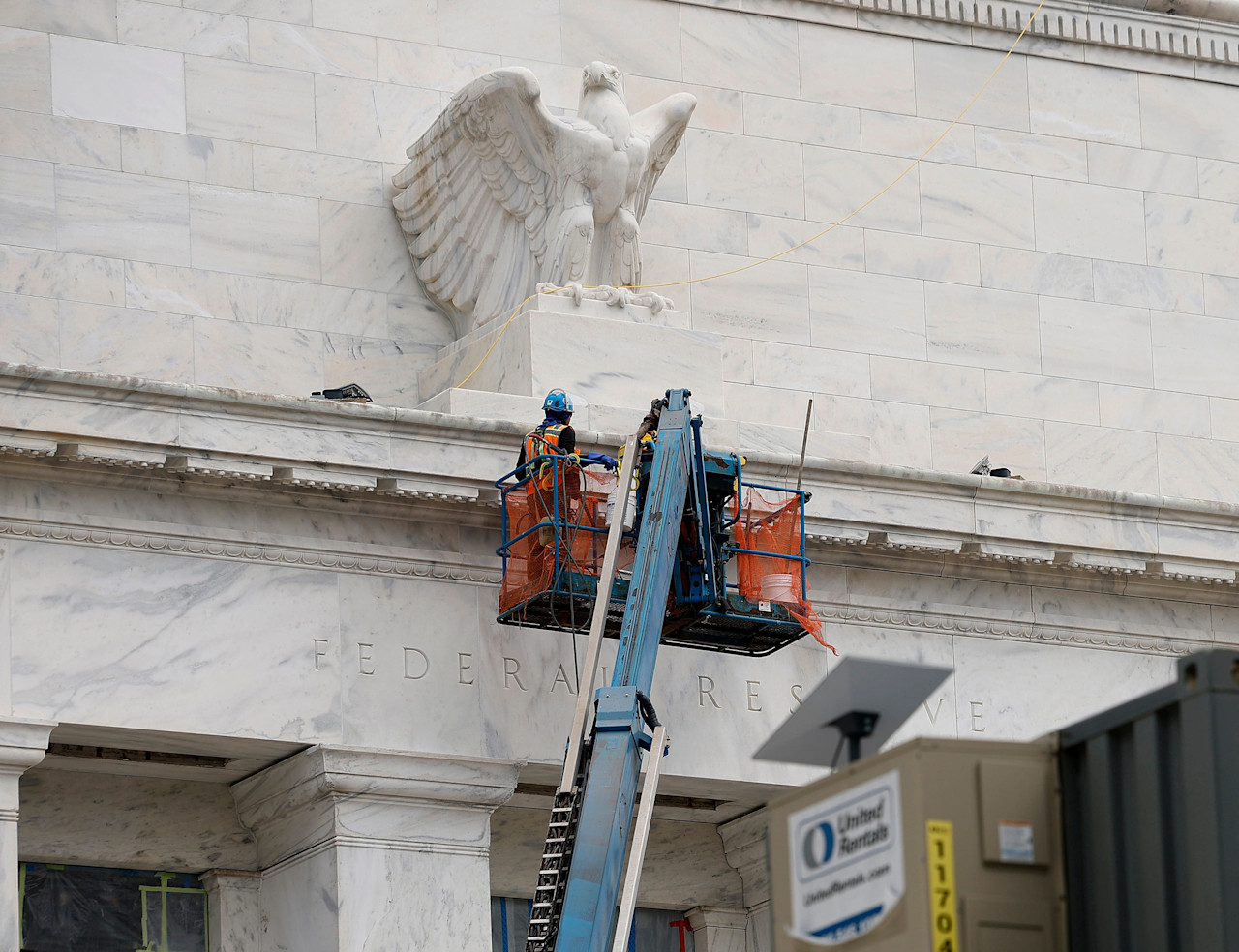
Investors are looking forward to a new year that has one redeeming quality – it doesn’t mirror the annus horribilis of 2022. Robeco’s outlook for ‘short-term pain, long-term gain’ warns that 2023 is likely to see recession, and that investors need to wait for inflation, interest rates and US dollar strength all to peak before the good times resume.
作者

概要
- Targets for inflation and interest rates offer room for upsets
- Potential for a Ukraine peace dividend and net-zero investments
- A wary eye on social media, regime changes and fragile markets
The current consensus isn’t that rosy, but if history tells us anything, it’s that nothing is ever set in stone. So, what are the possible events – good and bad – that could derail these central scenarios? As we enter 2023, the Robeco Sustainable Multi-Asset Solutions team outlines 10 potential black swans, and what the consequences may be.
The first is ‘Goldilocks’ revenge’ – the economic porridge won’t be too hot or too cold but just right. “Here, US inflation peaks without a recession, the dollar drops, and the US Federal Reserve (Fed) can rest easy but remain vigilant,” says Colin Graham, Head of Multi-Asset Strategies at Robeco.
“The post-Covid fiscal expansion slows, acting as the brake on excess demand. The result for multi-asset investors is that high yield bonds become very attractive as default rate expectations fall.”
2. Panic stations
Alternatively, the Fed could tire of low long-term rates and review its inflation target, citing a structural break with the previous regime that had largely been in place since the global financial crisis.
“It could claim that the 2% target is far too close to zero, saying the next recession could tip the economy into outright deflation,” Graham says. “The result would be panic, and bonds denominated in US dollars would see negative returns for the third year in a row.”
3. Deflation disaster
Even worse is the prospect of deflation. While falling prices sounds great, it means consumers would not buy anything as they expect goods to become cheaper in the short term, leading to outright recession.
“Here, if deflation has a higher number of hits than inflation according to newsflow data from Wall street and Main Street, it means that central banks are driving the economy using the rear view mirror, causing a major bust,” Graham says.
4. Greenwashing and now impact washing
The drive to improve the environmental, social and governance (ESG) characteristics of companies has enormously gained in importance, and is the bedrock of investments at Robeco. The problem is that it has also led to a rise in greenwashing, where companies and investors make ESG claims that cannot be substantiated, often for PR and marketing reasons.
Another growing problem is impact washing, where companies or investors claim to be making an impact on the ground, when proving or even measuring it is doubtful.
“We see the potential for sustainability claims to be more strongly scrutinised by regulators, media and investors, and as a result, large financial institutions will struggle to evidence their sustainability credentials across facets of their businesses,” Graham says.
“Rather than focussing on improving their ESG and delivering shareholder value, companies could end up selling or divesting businesses that don’t meet ESG criteria and withdraw from markets where regulators demand higher sustainability credentials.”
5. Rewards for risk
One lesser-known issue concerns risk appetite, where multi-asset investors are asked to state the level of risk that they can tolerate. These risk profile funds are usually labeled as ‘cautious’ – i.e. low risk, focusing on safer government bonds; ‘balanced’ funds that offer more of a mix of bonds and equities; or ‘aggressive’ funds that may well allocate to much riskier stocks.
The problem here is that in 2022, there was little difference between any of them. “The performance of these profiles was within 20 basis points (in euro terms) by the end of December,” says Graham. “If this happens again in 2023, the implication would be we would see a second year of negative returns in balanced funds, similar to the experience following the tech bubble burst of 2001-2002.”
獲取最新市場觀點
訂閱我們的電子報,時刻把握投資資訊和專家分析。
6. Give peace a chance
But it’s not all bad news. Much of the consensus opinion assumes that the war in Ukraine which caused so much volatility in markets in 2022 and sparked major inflation across the world will continue. If peace breaks out, a more welcome disruption would occur.
“We could see a peace dividend in which Ukraine secures its borders with European ‘aid’ and the flow of wheat, oil and gas resumes, ending the bottlenecks,” Graham says. “Other countries would then relax their travel and trade restrictions, allowing inflation to fall and supply chains to re-shore faster. There would be an energy costs windfall for global economies, especially in Europe.”
7. Anti-social media
Social media is another battleground, albeit where the participants are armed with words rather than weapons. Stricter regulation against the tech titans that fueled growth stocks could benefit value stocks instead.
“We could see another backlash against social media and more regulation on large technology and social media platforms as data protection issues come to the fore again,” says Graham. “The result would be a change in equity market leadership – value companies with capital discipline and quality earnings would be more highly rewarded on a relative basis.”
8. Shock regime change
Then there is the possibility of a ‘shock regime change’, as witnessed when the UK which went through three prime ministers in 2022. “This is the first year this century without an election in a G7 country,” says Graham.
“However, we could see a major shift in policy as a ‘major’ regime topples, as witnessed with Boris Johnson and then Liz Truss a month later, resulting in major volatility spikes.”
9. Upsetting the applecart
Truss’s brief prime ministership and a disastrous mini-Budget which forced the Bank of England to take emergency measures to protect the pensions industry showed just how fragile certain financial systems can still be.
“In this scenario, private assets see a liquidity drain, liability-driven investment (LDI) structures are questioned, and there is increased scrutiny on banks following a crypto bust,” says Graham. “This would expose investments that were only funded because cash was ‘free’ at the time.”
10. Net-zero upside
Finally, the commitment to moving to a net-zero economy could surprise on the upside. “There can be no backtracking on climate: the evidence about climate change continues to mount, and COP27 highlighted that political will is key to shaping the balance between climate ambition and implementation,” Graham says.
“In the long run, achieving energy security means investing more in green technologies and climate solutions to close the gap between ambition and implementation. We could see a multinational ‘super fund’ set up to facilitate the net zero transition, backed by several governments.”
Staying contrarian
“No-one has that illusive crystal ball that can provide perfect foresight on events that affect market returns, and even if we did, then recent history shows that investors can still infer the wrong market reaction.”
“At Robeco, the Sustainable Multi-Asset Solutions team is prepared for another turbulent year and plans to invest with a contrarian mindset, which added value in 2022. We are also firm believers that the climate battle and sustainability transition will reaccelerate.”
重要資料
本網站僅供《證券及期貨條例》(香港法例第571章)及其附屬法例所界定之專業投資者瀏覽及使用。 投資涉及風險。過往表現並不代表未來表現。本網站所載資料僅供參考之用,並不構成任何投資建議,亦非作出買賣任何證券或採納任何投資策略之要約或招攬。投資者不應僅憑本網站提供之資料作出投資決定,在作出任何投資決定前,應徵詢獨立意見(包括有關稅務影響之意見)。投資者應確保完全理解投資產品的相關風險,亦應考量自身投資目標及風險承受水平。投資乃閣下之個人決定。除非銷售投資產品的中介人已向閣下告知該投資產品適合閣下,並已解釋其符合閣下投資目標之原因,否則閣下不應投資。請參閱相關發售文件或其他法律文件,以獲取包括風險因素在內的進一步詳情。 本網站由荷寶投資管理香港有限公司發布,該公司受香港證券及期貨事務監察委員會(「證監會」)規管(中央編號:APU851)。本網站未經證監會審閱。 無法保證任何投資產品可實現其投資目標。概不就任何投資產品之表現或投資回報作任何聲明或承諾。投資的價值或會波動。本網站所載過往表現、推算或預測,均不應視作未來表現之保證或指標,且概不提供任何明示或暗示之保證。本網站內容建基於相信為可靠之來源,惟因應資料傳遞技術特性及須採用多項數據來源(包括第三方內容),故概不保證其準確性。所述觀點僅乃截至上述日期,或會隨市況變化而改變,可予更改而毋須另行通知。該等意見可能有別於其他荷寶投資專業人士之意見。因使用本材料或當中所載任何評論、意見或估算而引致之直接、間接或相應損失,荷寶概不承擔法律責任。荷寶並無責任更新本網站或任何網站內容。未經荷寶事先書面許可,不得複製、分發或刊發本網站任何材料。 除非另有說明,資料來源:荷寶。