Portfolio Manager
Get the latest insights
Subscribe to our newsletter for investment updates and expert analysis.




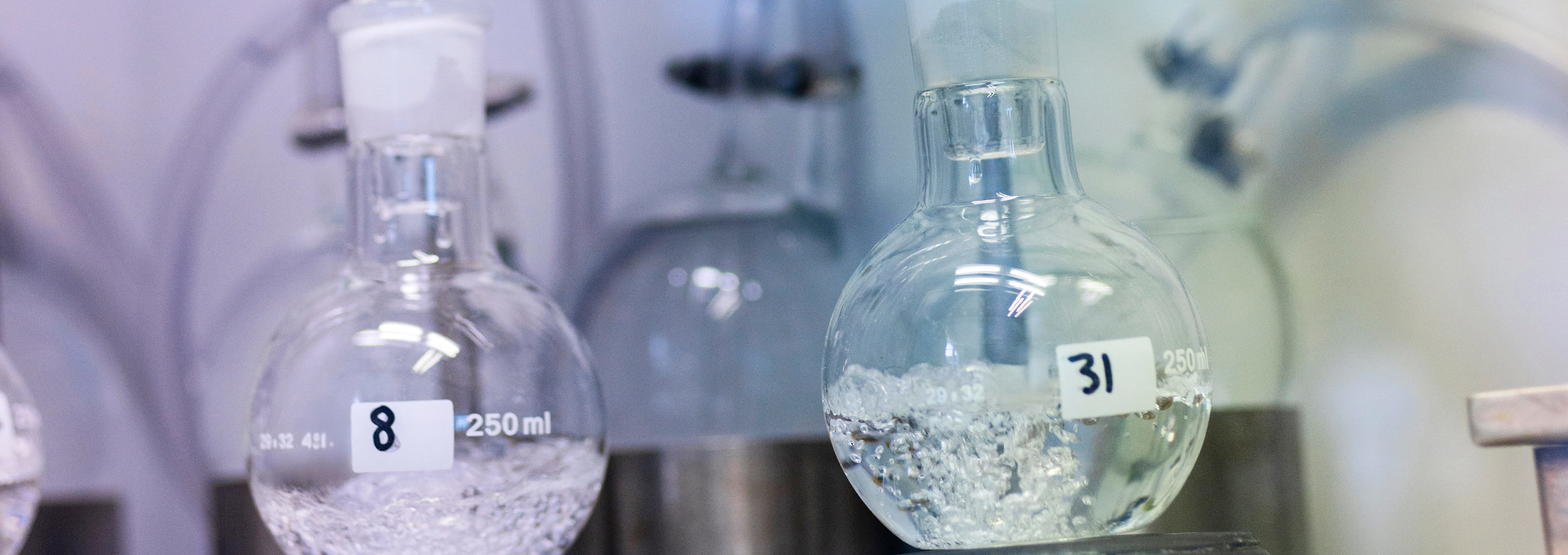

Rising water scarcity poses material financial risks for the global chemical industry, an industry responsible for an estimated 5-10% of global freshwater withdrawals. Despite its critical reliance on water for cooling, steam generation, and production processes, most chemical companies lack measurable, time bound targets for reducing withdrawals. As water stress intensifies globally – driven by climate change, regulatory tightening, and growing competition for limited freshwater – these gaps translate into significant operational and valuation risks.


The following water-risk analysis is a collaborative effort between Robeco’s Sustainable Alpha and Fundamental Equities teams which models a 10% water supply shock in 2030 across four chemical companies operating globally.
The results reveal an important paradox – companies with the strongest operational resilience often experience the greatest destruction of shareholder value due to thin margins, high fixed cost structures, and negative operating leverage. Across all four firms, even modest production losses lead to disproportionately large declines in EBITDA, enterprise value, and equity NPV.
Subscribe to our newsletter for investment updates and expert analysis.
Moreover, these results highlight that mainstream ESG data frequently fails to capture the true extent (let alone the financial materiality) of water scarcity. This analysis underscores the need for more systematic and granular water risk research not only for chemical companies, but for any business operating in water stressed regions or which are heavily dependent on freshwater access.
Our hope is that this analysis contributes to establishing a more robust, forward looking water risk framework for investment teams – a framework that encourages investors to integrate water stress scenarios into fundamental valuations, engage companies on absolute withdrawal targets, and prioritize firms that incorporate water availability into long term capital allocation decisions.