
Head of SI Thought Leadership and Climate & Biodiversity Strategist
• 市場觀點
Call for moratorium on deep sea mining
Robeco is supporting calls for a moratorium on deep sea mining, backed by engagement with the companies involved, until the full risks and opportunities are known.
作者


概要
- Investor group calls for moratorium on granting seabed licenses
- Dredging for minerals carries environmental, social and economic risks
- Engagement starting with two companies held in portfolios
It follows a collective letter by 36 financial institutions including Robeco sent to the International Seabed Authority (ISA) asking it to postpone granting permits to dredge the seabed for valuable minerals. The Global Financial Institutions Statement to Governments on Deep Seabed Mining says the practice has environmental, social and economic risks that are not yet fully understood.
Robeco holds shares in a handful of companies that may become indirectly involved in deep sea mining by providing services or finance to the pure-play (direct) miners, and proposes engagement with the two largest holdings. Exclusion is not being considered until all the facts are known.
Deep sea mining looks for valuable minerals that are scarce on land, including silver, copper, zinc, manganese and even diamonds. One of the minerals that is particularly sought after is cobalt, which is used in electric car batteries and is in limited supply on Earth. Both cobalt and copper are considered essential for the green transition.
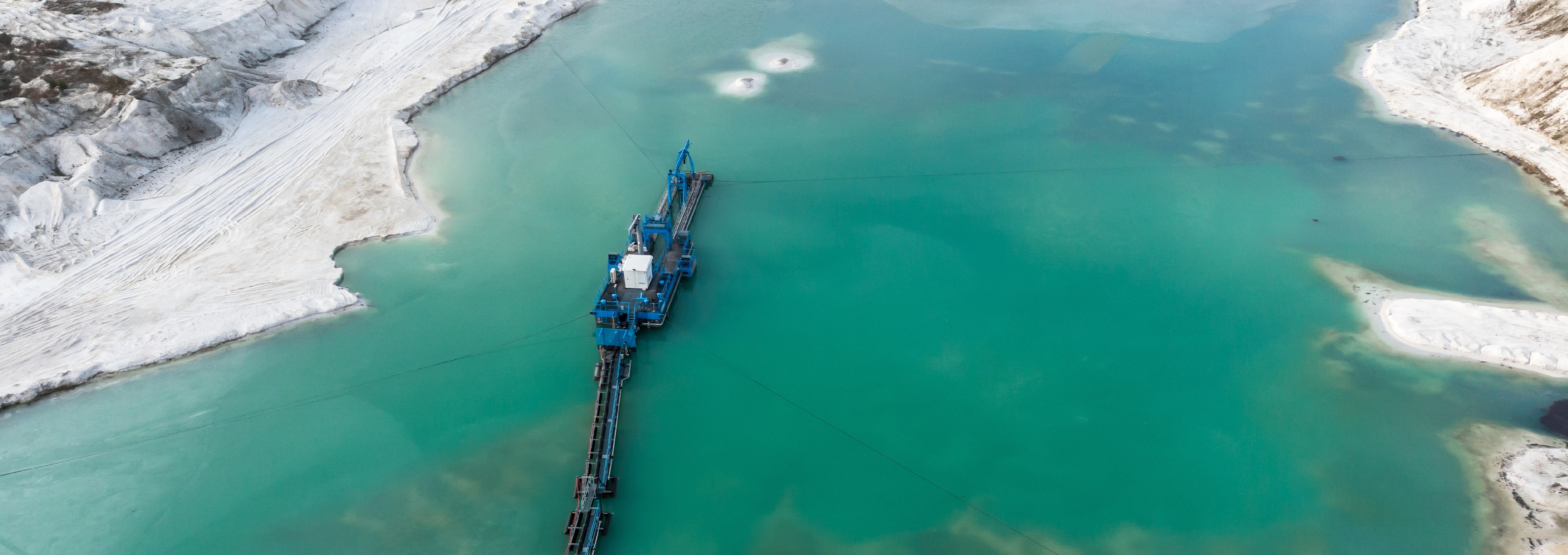
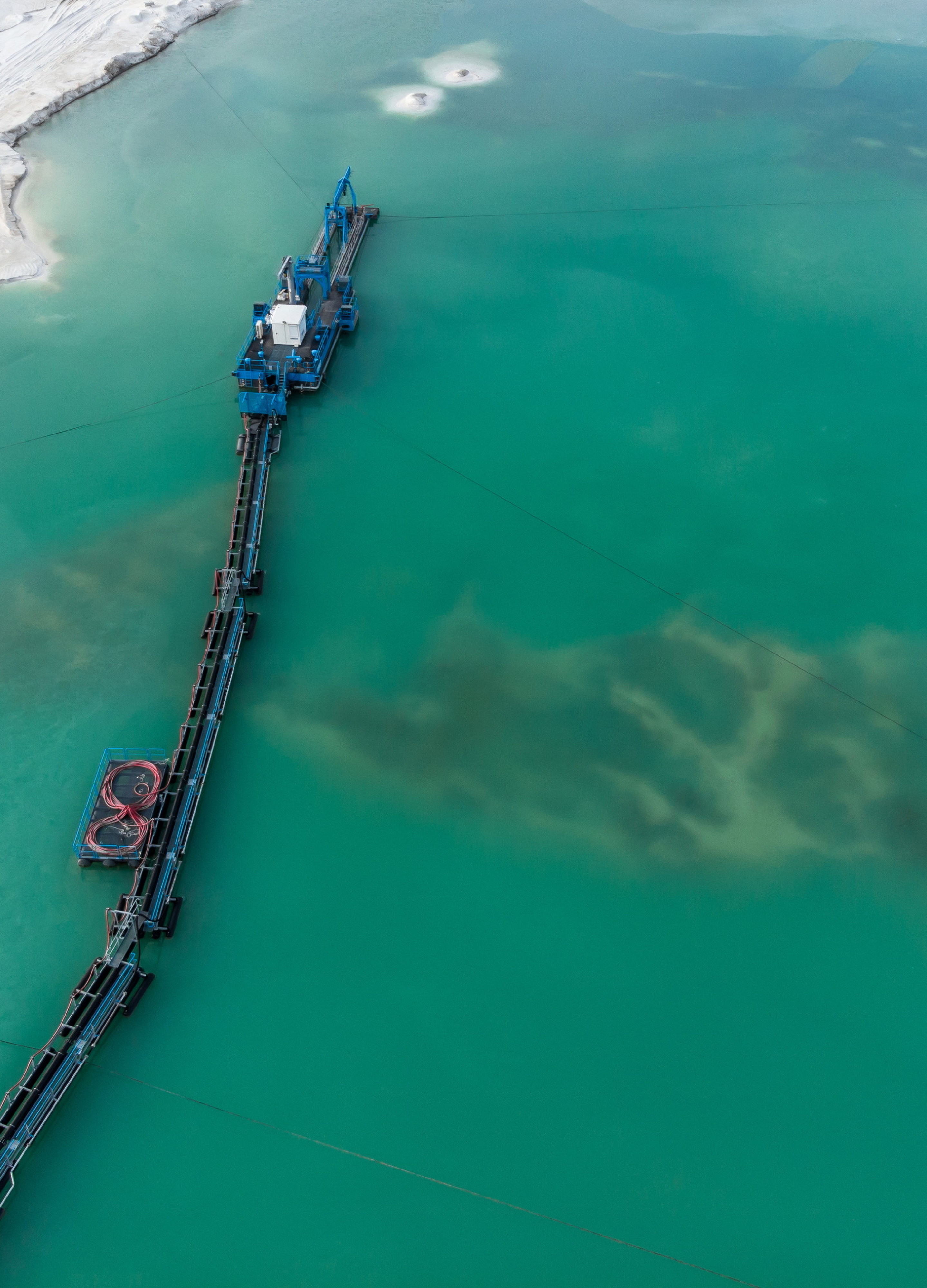
The mining sites are mostly located near the hydrothermal vents of extinct underwater volcanos between 1,400 and 3,700 meters below the ocean’s surface. These vents contain huge sulfide deposits of valuable metals that can be dredged from the seabed by ships on the surface.
The deposits are brought to the surface using hydraulic pumps and buckets. Digging them up using long-range machines can destroy deep-sea habitats, leading to the loss of species, many of which are found nowhere else, along with the fragmentation or loss of ecosystem structure and function. They also pose a significant pollution threat, both in the ocean and on the surface.
Deep-sea mining can also potentially disturb millions of tons of seafloor sediments annually, releasing carbon that has accumulated over millions of years into the oceanic carbon cycle. As signatories of the Finance for Biodiversity Pledge, the financial institutions calling for a moratorium are all committed to helping protect and restore biodiversity and ecosystems through their investment and finance activities.
Widespread concern
“There is widespread concern in the scientific community regarding deep sea mining and the irreversible impact it could have on deep ocean ecosystems, says Lucian Peppelenbos, Climate and Biodiversity Strategist at Robeco. “We can’t afford to run that risk blindly, because the ocean is the largest carbon sink that we’ve got.”
“At the same time, we might need the metals from the deep sea, because mining on land is also reaching its limits. Deep sea mining could help provide minerals required for the net zero transition. However, the jury is still out on this expectation.”
“As a signatory to Finance for Biodiversity Pledge, we propagate the precautionary principle to this dilemma. It is obvious that we will need strong innovation and explore unchartered territory in order to achieve a net zero economy. But we can’t proceed to exploit this massive natural asset without a comprehensive understanding of the risks and how to properly manage these.
獲取最新市場觀點
訂閱我們的電子報,時刻把握投資資訊和專家分析。
Is it economically viable?
Aside from the environmental risks, with the associated regulatory and reputational risks for any institution invested in a mining company engaged in it, it isn’t certain that deep-sea mining is economically viable.
“There is no established science nor regulation (yet) for the exploitation of seabed resources,” says Sylvia van Waveren, Engagement Specialist at Robeco. “Furthermore, there is no established technology, and it still needs to be developed to get it scalable – so far, only pilots are being conducted.”
“While we have little exposure to the industry, we believe that investing in deep sea mining activities could expose financial institutions to significant policy, regulatory and reputational risks. We therefore prefer seabed mining only to go ahead when the environmental, social and economic risks and opportunities are comprehensively understood.”
No exclusions so far
There won’t be any exclusions, however, for companies that do choose to participate. “We plan to stay away from an exclusion, mainly because there are too many question marks, a lack of data, and the possibility that the metals and minerals from the seabed might be needed badly for the global energy transition,” says Van Waveren.
“We are of the opinion that engagement with the industry is the way forward. This will provide us with knowledge, science outcomes, the challenges, the open questions and the risks and opportunities that are out there.”
“Soon we will start engaging with two of the companies we hold in our portfolios and which are currently involved in seabed mining pilots.”
重要資料
本網站僅供《證券及期貨條例》(香港法例第571章)及其附屬法例所界定之專業投資者瀏覽及使用。 投資涉及風險。過往表現並不代表未來表現。本網站所載資料僅供參考之用,並不構成任何投資建議,亦非作出買賣任何證券或採納任何投資策略之要約或招攬。投資者不應僅憑本網站提供之資料作出投資決定,在作出任何投資決定前,應徵詢獨立意見(包括有關稅務影響之意見)。投資者應確保完全理解投資產品的相關風險,亦應考量自身投資目標及風險承受水平。投資乃閣下之個人決定。除非銷售投資產品的中介人已向閣下告知該投資產品適合閣下,並已解釋其符合閣下投資目標之原因,否則閣下不應投資。請參閱相關發售文件或其他法律文件,以獲取包括風險因素在內的進一步詳情。 本網站由荷寶投資管理香港有限公司發布,該公司受香港證券及期貨事務監察委員會(「證監會」)規管(中央編號:APU851)。本網站未經證監會審閱。 無法保證任何投資產品可實現其投資目標。概不就任何投資產品之表現或投資回報作任何聲明或承諾。投資的價值或會波動。本網站所載過往表現、推算或預測,均不應視作未來表現之保證或指標,且概不提供任何明示或暗示之保證。本網站內容建基於相信為可靠之來源,惟因應資料傳遞技術特性及須採用多項數據來源(包括第三方內容),故概不保證其準確性。所述觀點僅乃截至上述日期,或會隨市況變化而改變,可予更改而毋須另行通知。該等意見可能有別於其他荷寶投資專業人士之意見。因使用本材料或當中所載任何評論、意見或估算而引致之直接、間接或相應損失,荷寶概不承擔法律責任。荷寶並無責任更新本網站或任何網站內容。未經荷寶事先書面許可,不得複製、分發或刊發本網站任何材料。 除非另有說明,資料來源:荷寶。