
Head of Active Ownership

• 積極擁有權報告
Tackling environmental risks leads Q3 Active Ownership report
Updates on engagement work to avert the risks posed by forever chemicals and transition minerals lead the Robeco Q3 Active Ownership report.
作者

概要
- Success with PFAS engagement as one company commits to phasing them out
- Work starts on combating environmental and human rights abuses in transition minerals
- Taking action against ‘zombie directors’ and conflicting corporate tax disclosures
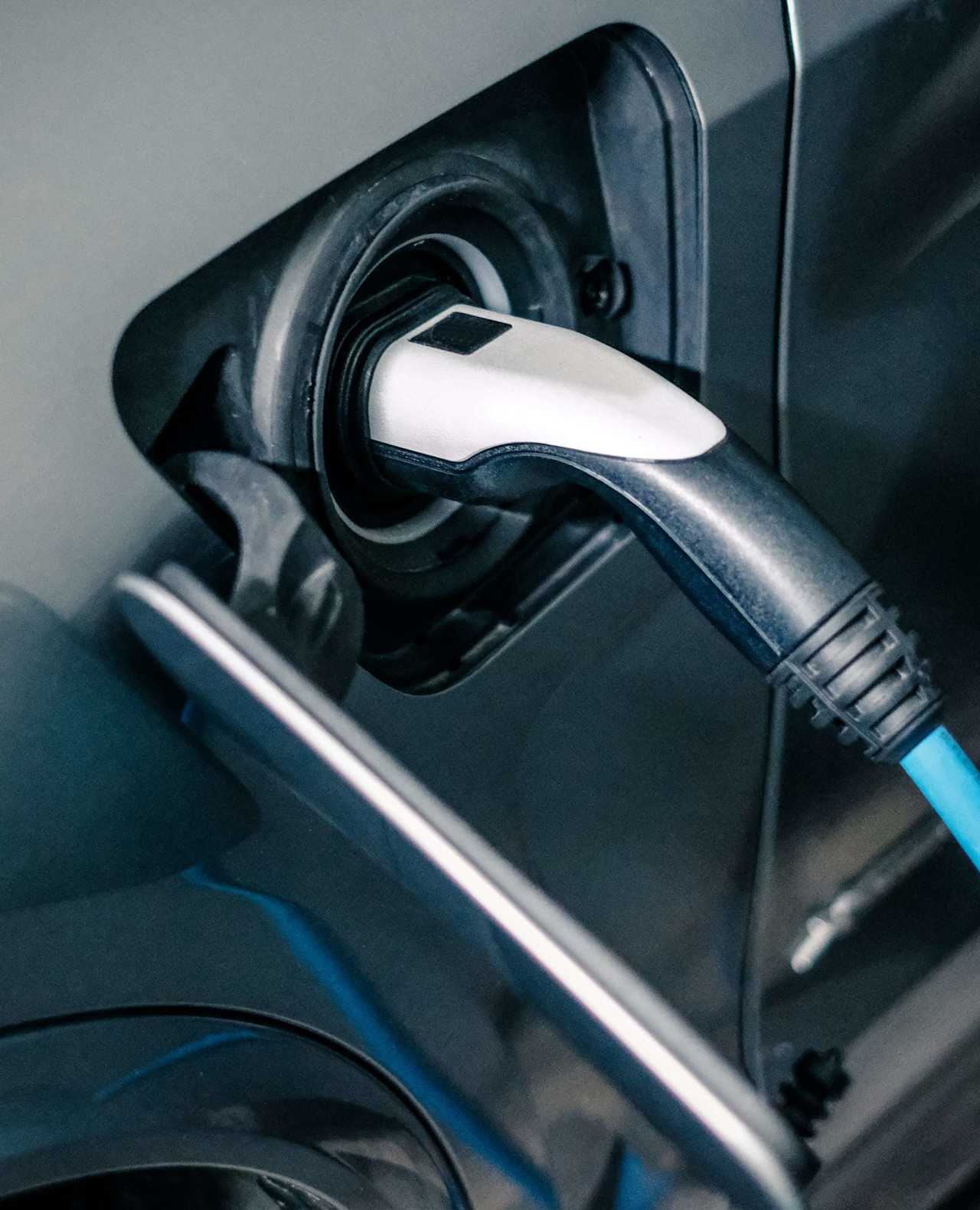
Both focus on the paradox of how products that are incredibly useful, such as fire-retardant clothing and electric vehicles, bring their own sustainability problems. This is why Robeco places such emphasis on engagement to bring sustainable progress in industries that are simultaneously beneficial and harmful.
Meanwhile, two very different sides of work to improve corporate governance are detailed in the round-up of activities in the third quarter, from taking action against the strange world of ‘zombie directors’ to transparency issues over corporate tax rates.
Opening with the risks of using per- and polyfluoroalkyl substances (PFAS) in manufacturing processes, the team reports on the progress one year into a three-year engagement program with five chemicals companies. PFAS are known as ‘forever chemicals’ because they are not biodegradable and can poison the environment and human health for decades.
“Phasing out PFAS is essential because aside from the pollution risk, litigation to seek compensation for PFAS damage to rivers and food chains is rising globally, with risks for investor returns and reputational damage,” says Senior Engagement Specialist Sylvia van Waveren.
“Our engagement has already seen success, with one major manufacturer setting a timeframe to stop using them in household products, and another adopting full transparency over the toxicity of chemicals that they produce.”
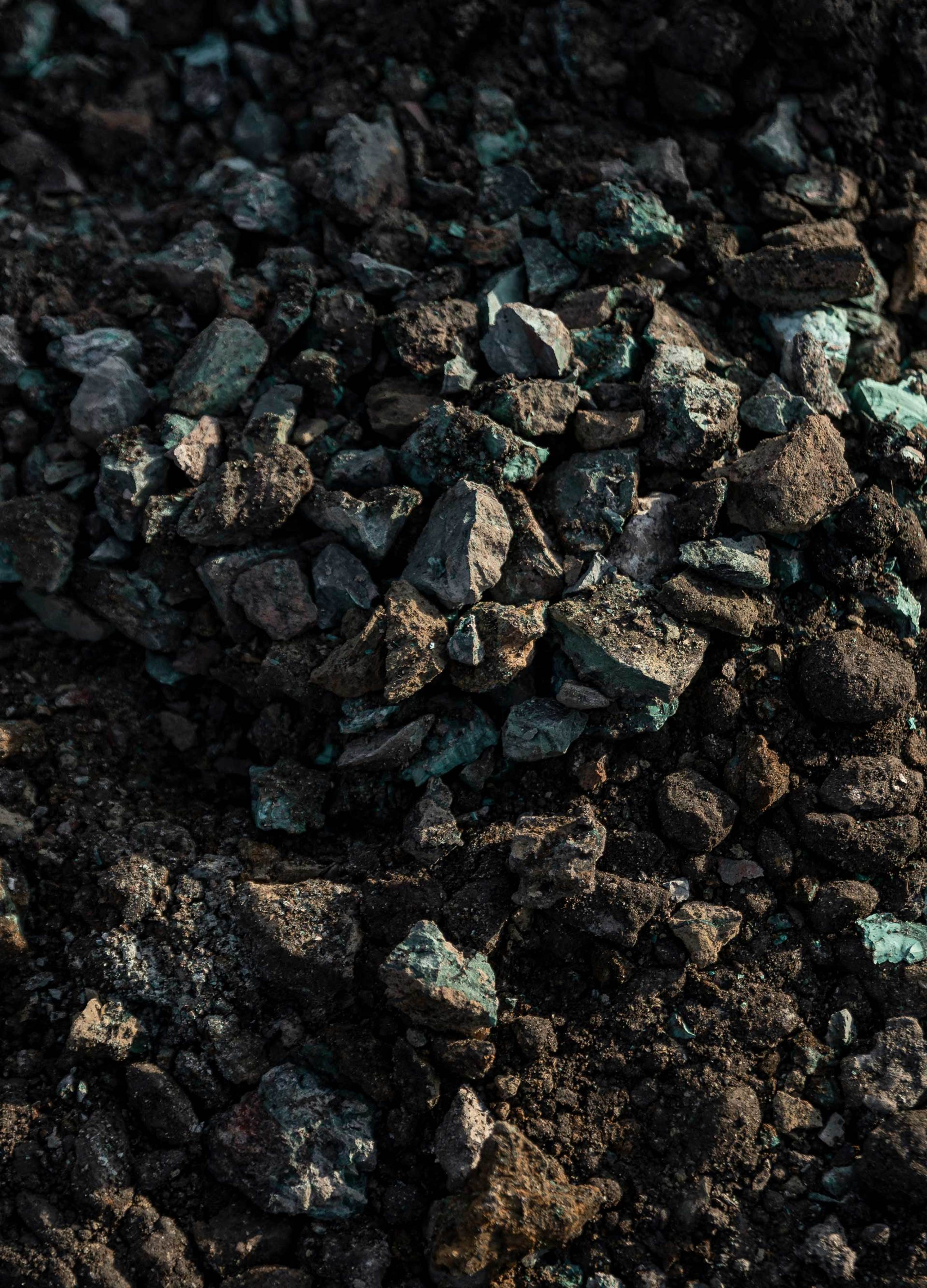
The global shift to a low-carbon economy is literally being built from the ground up, using minerals that are essential for electric vehicles and renewable energy. Engagement specialists Harry Ashman and Ghislaine Nadaud report on the beginning of an engagement theme focused on six participants in the electric vehicle value chain that aims to address environmental and human rights concerns.
“Transition minerals offer another dilemma to long-term sustainability, as the extraction of vital minerals such as lithium, nickel and rare earth metals used in electrification has led to significant environmental damage,” they say in their report.
“There are also issues with child labor and displacement of Indigenous peoples. Clearer supply chain traceability and stronger governance is needed to ensure decarbonization doesn’t come at the cost of nature and communities.”
獲取最新市場觀點
訂閱我們的電子報,時刻把握投資資訊和專家分析。
The ‘undead’ directors
If shareholders overwhelmingly vote against a director, the director is out, right? Wrong. Some cling on even after failing to secure majority support for their election, due to a lack of governance safeguards. Engagement specialist Diana Trif sheds some light into the dark world of director elections.
“We’re engaging to promote the best practice where directors stand for election individually, instead of hiding behind bundled elections and ‘slates’, so that shareholders can choose individuals more transparently,” she says. “Robeco will vote against individual nominees if there is insufficient disclosure.”
Taxing credibility
Finally, another strange twist in governance is that companies actually have much more robust taxation policies and governance systems than they make out. Engagement specialist Manuel Sobral explains how this plays out amid calls for the introduction of a Global Tax Deal.
“We campaign for greater accountability over taxation, as authorities press for reform of the international corporate taxation system,” Sobral says. “This is becoming more important amid calls for reforms to stop hiding profits in order to dodge taxes, and greater scrutiny over country-by-country reporting.”
重要資料
本網站僅供《證券及期貨條例》(香港法例第571章)及其附屬法例所界定之專業投資者瀏覽及使用。 投資涉及風險。過往表現並不代表未來表現。本網站所載資料僅供參考之用,並不構成任何投資建議,亦非作出買賣任何證券或採納任何投資策略之要約或招攬。投資者不應僅憑本網站提供之資料作出投資決定,在作出任何投資決定前,應徵詢獨立意見(包括有關稅務影響之意見)。投資者應確保完全理解投資產品的相關風險,亦應考量自身投資目標及風險承受水平。投資乃閣下之個人決定。除非銷售投資產品的中介人已向閣下告知該投資產品適合閣下,並已解釋其符合閣下投資目標之原因,否則閣下不應投資。請參閱相關發售文件或其他法律文件,以獲取包括風險因素在內的進一步詳情。 本網站由荷寶投資管理香港有限公司發布,該公司受香港證券及期貨事務監察委員會(「證監會」)規管(中央編號:APU851)。本網站未經證監會審閱。 無法保證任何投資產品可實現其投資目標。概不就任何投資產品之表現或投資回報作任何聲明或承諾。投資的價值或會波動。本網站所載過往表現、推算或預測,均不應視作未來表現之保證或指標,且概不提供任何明示或暗示之保證。本網站內容建基於相信為可靠之來源,惟因應資料傳遞技術特性及須採用多項數據來源(包括第三方內容),故概不保證其準確性。所述觀點僅乃截至上述日期,或會隨市況變化而改變,可予更改而毋須另行通知。該等意見可能有別於其他荷寶投資專業人士之意見。因使用本材料或當中所載任何評論、意見或估算而引致之直接、間接或相應損失,荷寶概不承擔法律責任。荷寶並無責任更新本網站或任何網站內容。未經荷寶事先書面許可,不得複製、分發或刊發本網站任何材料。 除非另有說明,資料來源:荷寶。