
Head of Active Ownership


• Relazione sull'azionariato attivo
Tackling environmental risks leads Q3 Active Ownership report
Updates on engagement work to avert the risks posed by forever chemicals and transition minerals lead the Robeco Q3 Active Ownership report.
Relatori

Sommario
- Success with PFAS engagement as one company commits to phasing them out
- Work starts on combating environmental and human rights abuses in transition minerals
- Taking action against ‘zombie directors’ and conflicting corporate tax disclosures
Both focus on the paradox of how products that are incredibly useful, such as fire-retardant clothing and electric vehicles, bring their own sustainability problems. This is why Robeco places such emphasis on engagement to bring sustainable progress in industries that are simultaneously beneficial and harmful.
Meanwhile, two very different sides of work to improve corporate governance are detailed in the round-up of activities in the third quarter, from taking action against the strange world of ‘zombie directors’ to transparency issues over corporate tax rates.
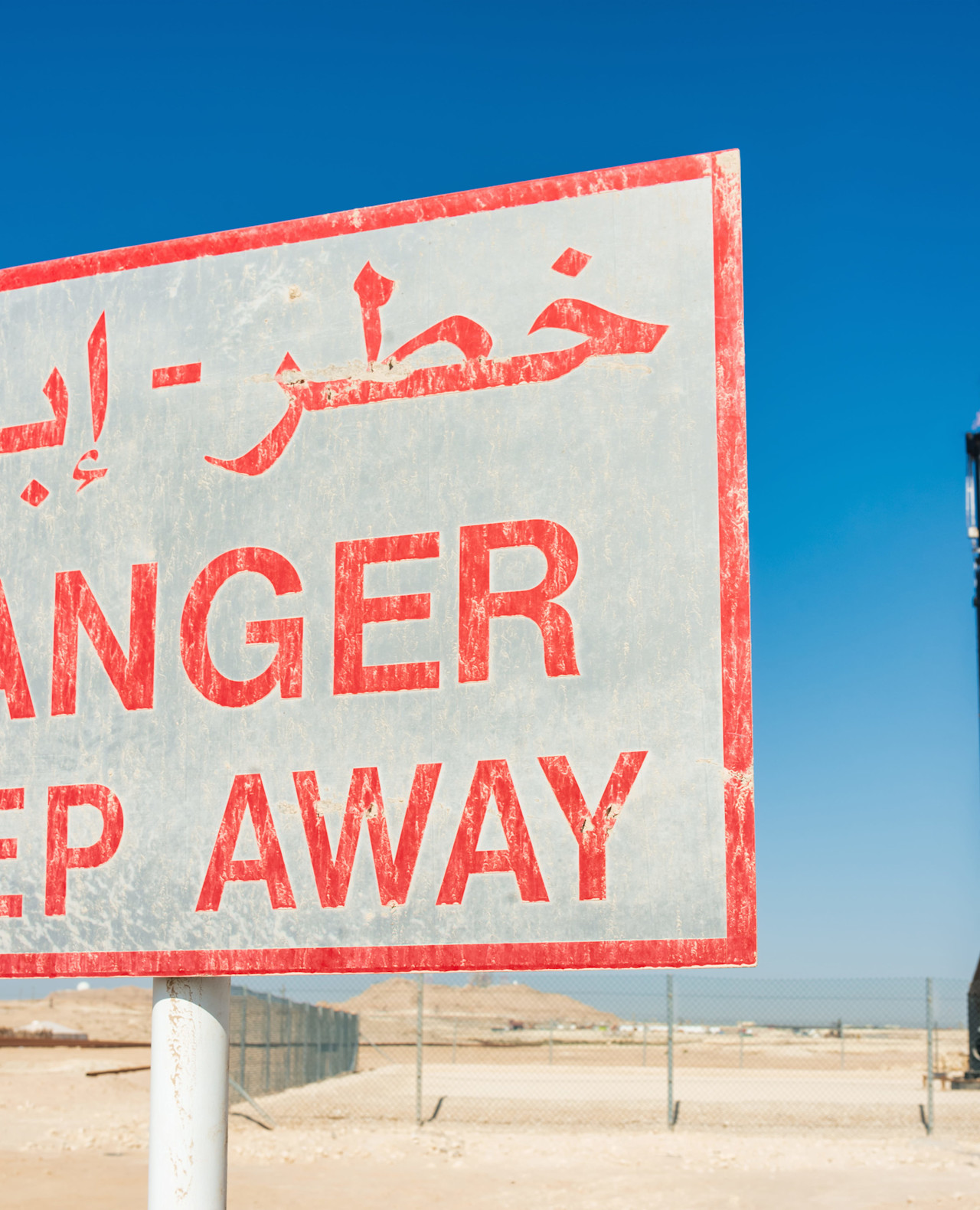
Opening with the risks of using per- and polyfluoroalkyl substances (PFAS) in manufacturing processes, the team reports on the progress one year into a three-year engagement program with five chemicals companies. PFAS are known as ‘forever chemicals’ because they are not biodegradable and can poison the environment and human health for decades.
“Phasing out PFAS is essential because aside from the pollution risk, litigation to seek compensation for PFAS damage to rivers and food chains is rising globally, with risks for investor returns and reputational damage,” says Senior Engagement Specialist Sylvia van Waveren.
“Our engagement has already seen success, with one major manufacturer setting a timeframe to stop using them in household products, and another adopting full transparency over the toxicity of chemicals that they produce.”
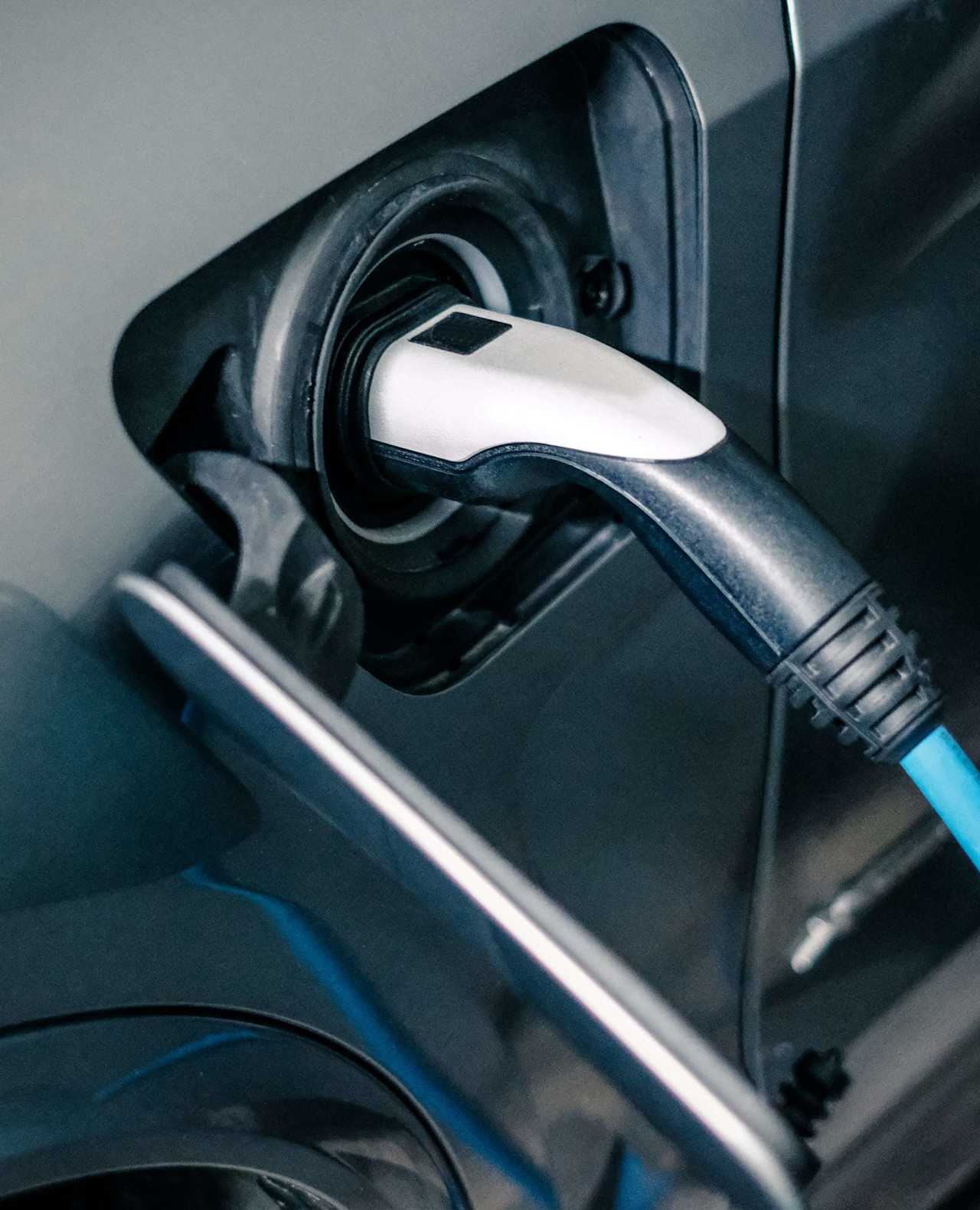
The global shift to a low-carbon economy is literally being built from the ground up, using minerals that are essential for electric vehicles and renewable energy. Engagement specialists Harry Ashman and Ghislaine Nadaud report on the beginning of an engagement theme focused on six participants in the electric vehicle value chain that aims to address environmental and human rights concerns.
“Transition minerals offer another dilemma to long-term sustainability, as the extraction of vital minerals such as lithium, nickel and rare earth metals used in electrification has led to significant environmental damage,” they say in their report.
“There are also issues with child labor and displacement of Indigenous peoples. Clearer supply chain traceability and stronger governance is needed to ensure decarbonization doesn’t come at the cost of nature and communities.”
Leggi gli ultimi approfondimenti
Iscriviti alla nostra newsletter per ricevere aggiornamenti sugli investimenti e le analisi dei nostri esperti.
The ‘undead’ directors
If shareholders overwhelmingly vote against a director, the director is out, right? Wrong. Some cling on even after failing to secure majority support for their election, due to a lack of governance safeguards. Engagement specialist Diana Trif sheds some light into the dark world of director elections.
“We’re engaging to promote the best practice where directors stand for election individually, instead of hiding behind bundled elections and ‘slates’, so that shareholders can choose individuals more transparently,” she says. “Robeco will vote against individual nominees if there is insufficient disclosure.”
Taxing credibility
Finally, another strange twist in governance is that companies actually have much more robust taxation policies and governance systems than they make out. Engagement specialist Manuel Sobral explains how this plays out amid calls for the introduction of a Global Tax Deal.
“We campaign for greater accountability over taxation, as authorities press for reform of the international corporate taxation system,” Sobral says. “This is becoming more important amid calls for reforms to stop hiding profits in order to dodge taxes, and greater scrutiny over country-by-country reporting.”