
Portfolio Manager
• 月度展望
China in the Year of the Snake: Slithering over the bottom
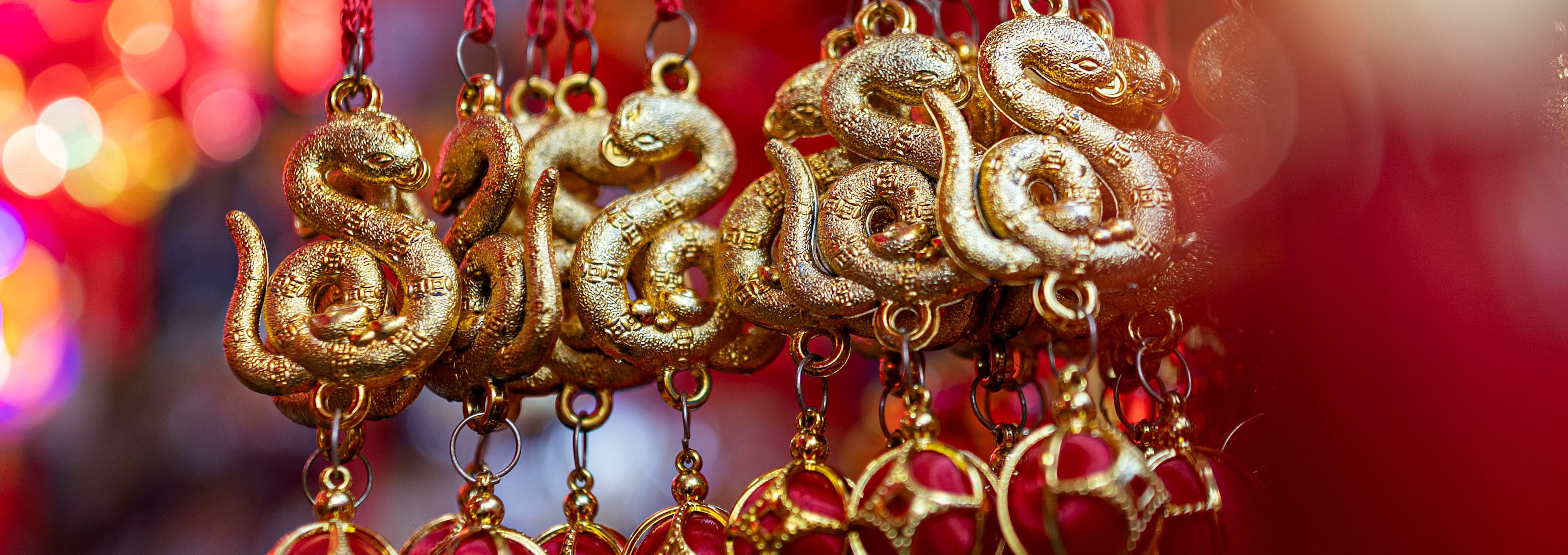
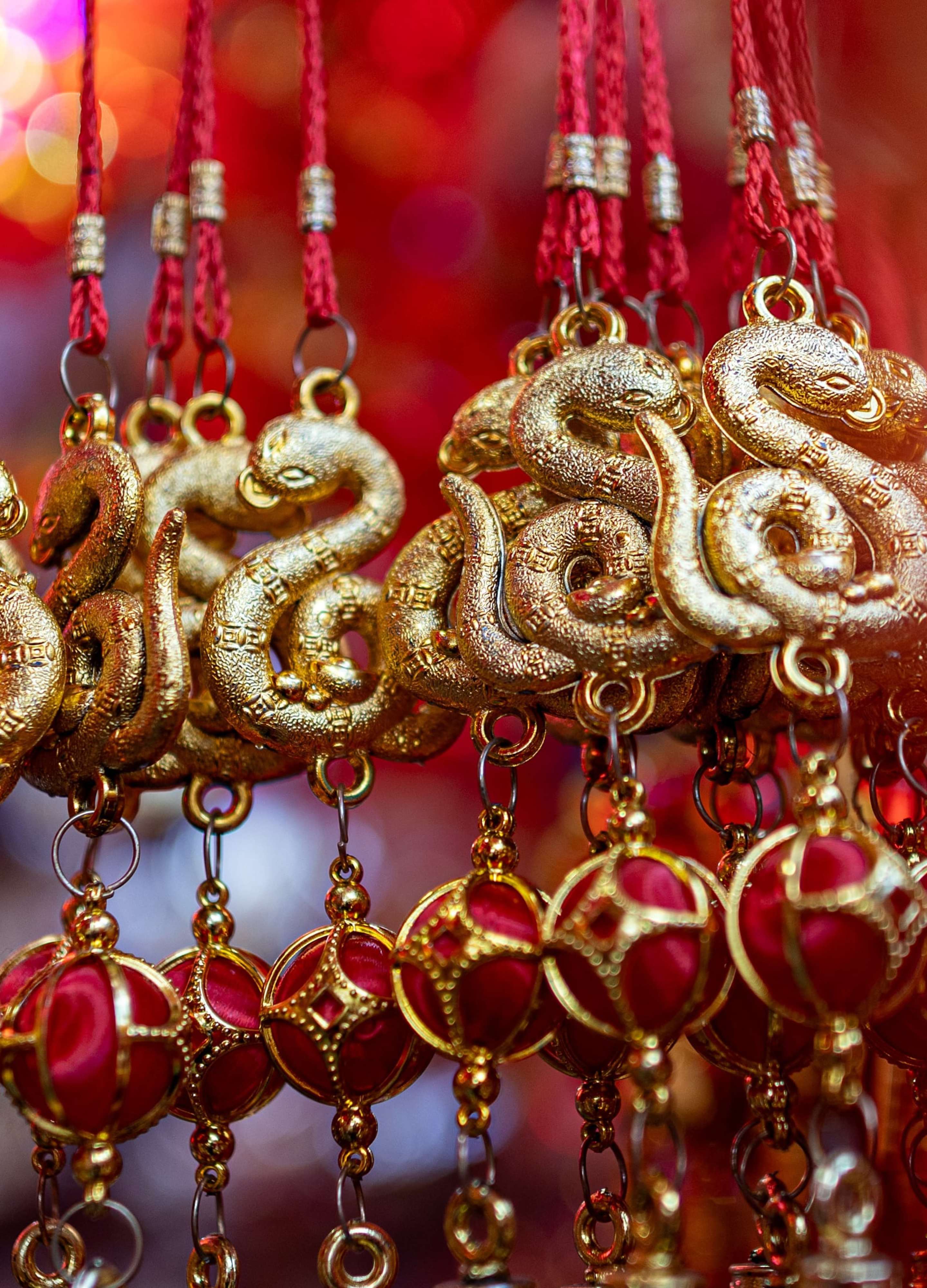
In Chinese folklore, the snake symbolizes intelligence, mystery and renewal. So, will the Lunar Year of the Snake lead to the renewal of faith in Chinese equities and the economy, amid the mystery of how the country has slithered into deflation? Yes, says multi-asset investor Arnout van Rijn, who predicts a near-term bounce for stocks amid a bottoming macro outlook.
作者



概要
- Equities should outperform bonds if deflation can be conquered
- China is trying to move from an industrial to a consumer economy
- Trump tariffs are unhelpful but more depends on domestic confidence
Such has been the malaise of the Chinese economy – the second-largest in the world – that its domestic bonds have outperformed equities for the past four years, though the stock market has enjoyed a bounce due to excitement over artificial intelligence in the past six months.
Now it looks like the old snake is shedding its skin, though much depends on the end of deflation – where prices fall, undermining consumer demand that props up the economy – says Van Rijn, Portfolio Manager with Robeco Sustainable Multi-Asset Solutions. Deflation in Japan that began in the 1990s caused its economy to enter a near-permanent recession.
“We addressed the potential Japanification of China in our five-year Expected Returns, where we concluded then that China would not have to face the same ordeal as Japan went through due to much less leverage in property, better monetary policy, and no risk aversion among corporates,” Van Rijn says.
“The logical investment conclusion should then be that equity investors will outperform bond investors in the country. Chinese bond investors have benefited over the past four years, just like in Japan in the 1990s, from the move into deflation, just as Japanese equity investors benefited from the country moving out of deflation. Over the past six months, however, Chinese equity investors have been on the winning side. So, is this the end of Chinese deflation?”
“Chinese steel consumption is seven times that of the EU, while the EU and China are comparable in size by GDP. China is an asset-heavy economy in an adjustment phase: ‘build it and they will come’ has always been the approach. Successful for decades, it has recently run into trouble; the Chinese snake wants to shed its skin and move from investment-driven growth to consumption.
“This has been without success, as consumer confidence is low while income growth is falling back. Savings ratios are staying remarkably high at 44%. The two main reasons for the high savings ratio are a lack of (trust in) social security, which is secular, and weakness in property, which is cyclical, albeit a long drawn-out cycle.”
Tariffs versus growth
Efforts to revive the economy will not be helped by tariffs that US President Trump intends to impose on China to address the massive trade imbalance. The US trade deficit with the rest of the world widened to USD 78.2 billion in November 2024, of which USD 25.4 billion was with China1.
“The Chinese government will have to make some snake-like moves this year to reach its 5% growth target by improving domestic confidence, while at the same time dealing with a hissing US President,” Van Rijn says. “The fall in Chinese house prices has begun to level off, but we’ll have to see whether the Chinese snakes will be house hunting post-Lunar New Year.”
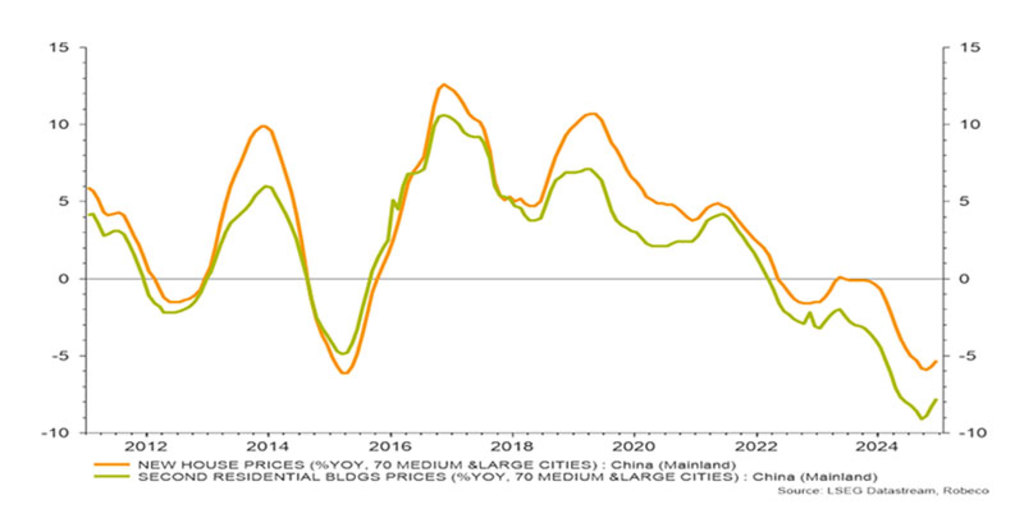
The fall in value in Chinese home prices, year on year. Source: NBS
“China has not seen serious inflation for over a decade as it kept money growth at bay. China saw inflation of just 2% in 2022 when the US and Europe were printing 8%. Deflation has now taken hold, just as debt positions are at a record high. That’s not good.”
“It is our view that this battle has not yet been won, and it will depend on future measures that may entice the consumer to spend. The National Party Congress in March is the next forum that may bring further clarity on this discussion. But don't bet on it... we expect the snake to slither along the bottom.”
Strength of the yuan
One focus for 2025 will be on the relative strength of the yuan. “For any emerging market investor, the quintessential question to ask is: ‘Do you believe the currency will be stable?’” Van Rijn says.
“Today, most people think the yuan is a weak currency, when actually, it is not. The international community focuses on the dollar cross rate far too much. Not much has changed versus the euro over the last decade.”
“Since 2021, the yuan has crept to stronger levels and is now within 5% of the 2015 painful strength level. Some depreciation may actually be in order, especially if the US starts another tariff attack.”
獲取最新市場觀點
訂閱我們的電子報,時刻把握投資資訊和專家分析。
It’s now a broader stock market
So, what does this mean for Chinese stocks, which are often seen as a niche and volatile market? The news that Chinese firm DeepSeek had developed an AI model at a fraction of the cost of its US rivals injected a new energy into the mainland A-shares and the affiliated Hong Kong market.
“China is now a very broad and deep stock market,” Van Rijn says. “When DeepSeek became a hot theme, brokers immediately issued a list of a dozen beneficiaries. This is testimony to the longer-term appeal of China. Also, China's market cap-to-GDP ratio at just 56% today (versus 230% for the US), which gives some indication of the value opportunity.”
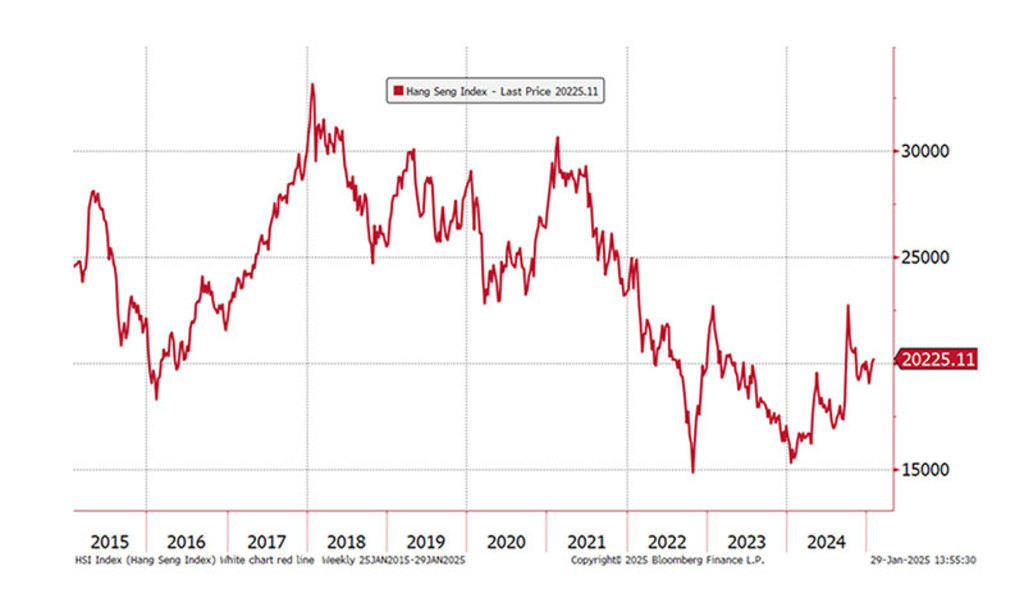
The Hang Seng Index has had a dismal decade, with a tentative bottom. Source: Bloomberg
US and Europe diverge on monetary policy
“Logically, with deflation not defeated, it is hard to be outrightly bullish. On the one hand, there is a risk of overcapacity and deflation, mostly for the industrials. Here, earnings revisions remain negative. On the other hand, we see strong policy support for equities, and many attractively valued large-cap companies that are not very dependent on the macro economy are showing positive revisions.”
“This explains our preference for offshore equities, where industrials are lightly weighted and the consumer and internet sectors are relatively heavily weighted. We see a Chinese equity bounce along the bottom, with tradable rallies in the Year of the Snake.”
Footnote
1 https://tradingeconomics.com/united-states/balance-of-trade
重要資料
本網站僅供《證券及期貨條例》(香港法例第571章)及其附屬法例所界定之專業投資者瀏覽及使用。 投資涉及風險。過往表現並不代表未來表現。本網站所載資料僅供參考之用,並不構成任何投資建議,亦非作出買賣任何證券或採納任何投資策略之要約或招攬。投資者不應僅憑本網站提供之資料作出投資決定,在作出任何投資決定前,應徵詢獨立意見(包括有關稅務影響之意見)。投資者應確保完全理解投資產品的相關風險,亦應考量自身投資目標及風險承受水平。投資乃閣下之個人決定。除非銷售投資產品的中介人已向閣下告知該投資產品適合閣下,並已解釋其符合閣下投資目標之原因,否則閣下不應投資。請參閱相關發售文件或其他法律文件,以獲取包括風險因素在內的進一步詳情。 本網站由荷寶投資管理香港有限公司發布,該公司受香港證券及期貨事務監察委員會(「證監會」)規管(中央編號:APU851)。本網站未經證監會審閱。 無法保證任何投資產品可實現其投資目標。概不就任何投資產品之表現或投資回報作任何聲明或承諾。投資的價值或會波動。本網站所載過往表現、推算或預測,均不應視作未來表現之保證或指標,且概不提供任何明示或暗示之保證。本網站內容建基於相信為可靠之來源,惟因應資料傳遞技術特性及須採用多項數據來源(包括第三方內容),故概不保證其準確性。所述觀點僅乃截至上述日期,或會隨市況變化而改變,可予更改而毋須另行通知。該等意見可能有別於其他荷寶投資專業人士之意見。因使用本材料或當中所載任何評論、意見或估算而引致之直接、間接或相應損失,荷寶概不承擔法律責任。荷寶並無責任更新本網站或任何網站內容。未經荷寶事先書面許可,不得複製、分發或刊發本網站任何材料。 除非另有說明,資料來源:荷寶。