
Head of Voting
• 市場觀點
Lively AGM season highlighted in proxy voting report
Two-thirds of all shareholder meetings included votes against management in a lively proxy voting season for Robeco’s Active Ownership team.
作者
概要
- Lively AGM season saw votes against managements at 65.4% of meetings
- Anti-ESG movement and platform protests seen in more politicized season
- Change in debate on climate and introduction of biodiversity policies
The team cast at least one vote opposing some aspect of the company’s activities at 65.4% of all the 5,176 shareholder meetings voted on behalf of clients between January and June 2023. Voting took place on 59,911 proposals – including 863 sustainability related resolutions – in 71 countries where Robeco owns shares. Many different topics, ranging from board composition, remuneration structures and sustainability topics, were covered.
It proved to be a lively voting season at which both protestors and an anti-ESG movement objecting to proposals based on environmental, social and governance factors reared their head. Some meetings even witnessed behavior bordering on violence as demonstrators made their views felt.
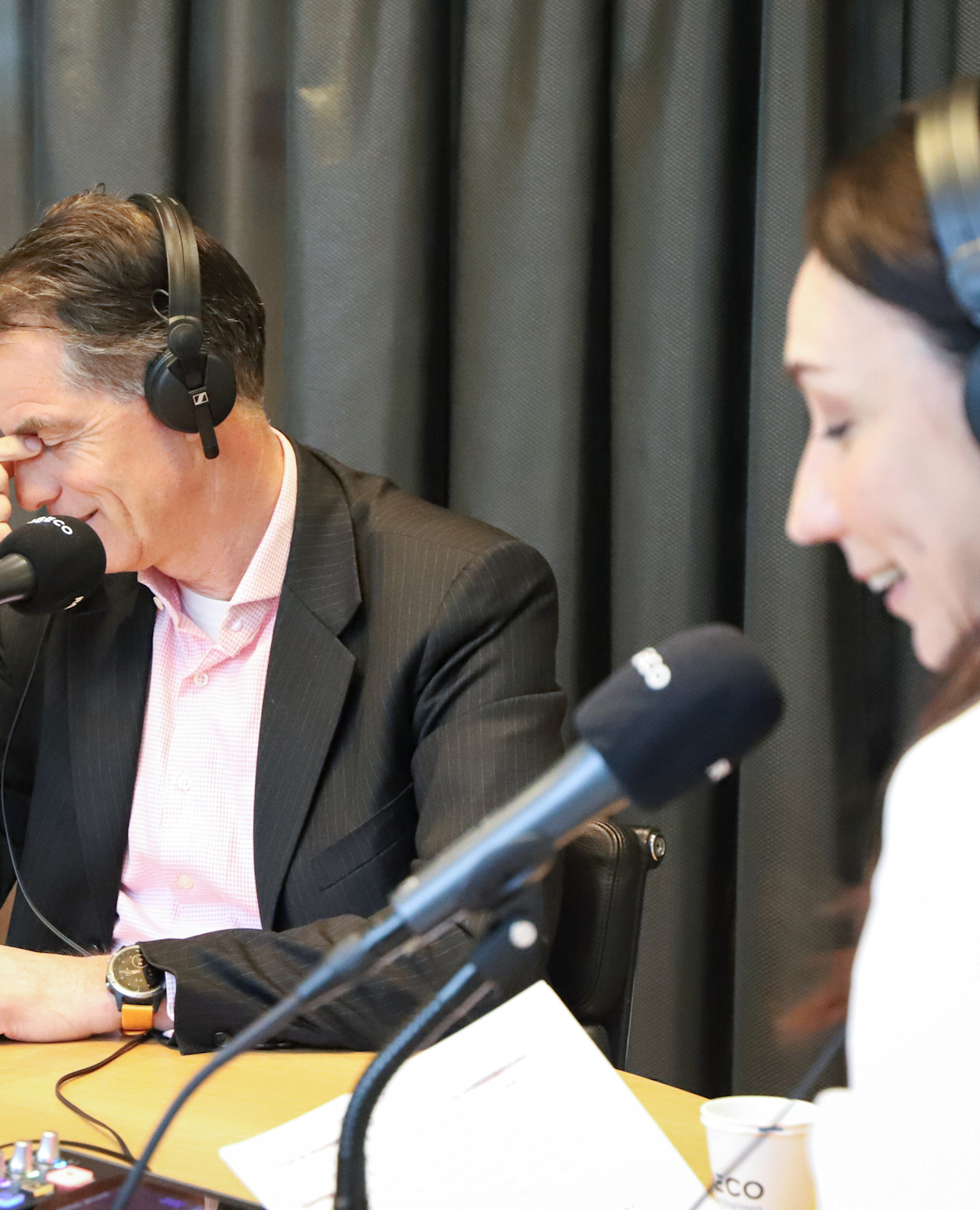
“The 2023 season had a set of unique trends that made our analysis more complex and required a more balanced assessment of several governance and sustainability issues,” says Michiel van Esch, Head of Voting at Robeco.
“One of these trends is the so-called Anti-ESG movement, which became more prominent in 2023. Several organizations have started filing shareholder resolutions that appear to ask for regular governance best practices, such as an independent chairman, with an underlying narrative against the ESG efforts of companies including diversity and inclusion policies, or social benefit policies. These resolutions have added to a more politized and polarized AGM season than in previous years.”
This was the first year that physical attendance was made possible for almost all AGMs after the Covid pandemic took everything online – though it proved not to be the case that ‘normality’ had fully returned.
“We also noticed that the AGM attendance itself has shifted in tone and nature,” Van Esch says. “In some cases, these meetings become a platform for protest, either on climate change, social issues, or other frustrations with companies that often face conflicting expectations from stakeholders.”
“The AGM as a platform will need some work in the future, making sure that it can remain an effective platform for exchange of thought and information, potentially for a wider set of stakeholders.”
Energy crisis dominates
The season also saw a change in tone for climate change amid an energy crisis that has led many companies to delay plans to cut emissions to achieve net zero amid a greater reliance on fossil fuels. The war in Ukraine led to a dash to gas in Europe and even a greater use of coal-fired power.
“The energy crisis and commodity prices seem to have slowed down (or at least changed) the ambition levels of several high emitting companies’ transition plans,” Van Esch says.
“Several companies loosened their ambitions, leading to varying reactions from shareholders; some were vocally disappointed, others were lenient towards management and others were not supporting transition ambitions anyway.”
了解最新的可持續性市場觀點
訂閱我們的電子報,探索塑造可持續投資的趨勢。
Higher biodiversity focus
There was greater interest in biodiversity as a serious issue as preserving nature moves ever higher up the corporate and investor agendas. “This year, we strengthened our voting policy by introducing a voting approach focusing on biodiversity, one of our strategic sustainability topics, next to climate change and human rights,” Van Esch says.
“We expect companies to take action on mitigating biodiversity loss and for those companies that have high exposure to deforestation risk commodities to have adequate policies and processes in place to address those risks.”
ESG links to remuneration
And there were the usual arguments about executive pay, with a greater focus this year on securing more sustainability related packages, rather than the more predictable complaining about how much a CEO was paid.
“We saw an increasing number of companies continuing to introduce ESG components to their variable pay,” Van Esch says.
“In our opinion, this is a good trend, and it is encouraging that companies are often tying these to the sustainability ambitions of their overall strategy. At the same time, disclosures and measurements on many occasions should be further improved.”
重要資料
本網站僅供《證券及期貨條例》(香港法例第571章)及其附屬法例所界定之專業投資者瀏覽及使用。 投資涉及風險。過往表現並不代表未來表現。本網站所載資料僅供參考之用,並不構成任何投資建議,亦非作出買賣任何證券或採納任何投資策略之要約或招攬。投資者不應僅憑本網站提供之資料作出投資決定,在作出任何投資決定前,應徵詢獨立意見(包括有關稅務影響之意見)。投資者應確保完全理解投資產品的相關風險,亦應考量自身投資目標及風險承受水平。投資乃閣下之個人決定。除非銷售投資產品的中介人已向閣下告知該投資產品適合閣下,並已解釋其符合閣下投資目標之原因,否則閣下不應投資。請參閱相關發售文件或其他法律文件,以獲取包括風險因素在內的進一步詳情。 本網站由荷寶投資管理香港有限公司發布,該公司受香港證券及期貨事務監察委員會(「證監會」)規管(中央編號:APU851)。本網站未經證監會審閱。 無法保證任何投資產品可實現其投資目標。概不就任何投資產品之表現或投資回報作任何聲明或承諾。投資的價值或會波動。本網站所載過往表現、推算或預測,均不應視作未來表現之保證或指標,且概不提供任何明示或暗示之保證。本網站內容建基於相信為可靠之來源,惟因應資料傳遞技術特性及須採用多項數據來源(包括第三方內容),故概不保證其準確性。所述觀點僅乃截至上述日期,或會隨市況變化而改變,可予更改而毋須另行通知。該等意見可能有別於其他荷寶投資專業人士之意見。因使用本材料或當中所載任何評論、意見或估算而引致之直接、間接或相應損失,荷寶概不承擔法律責任。荷寶並無責任更新本網站或任何網站內容。未經荷寶事先書面許可,不得複製、分發或刊發本網站任何材料。 除非另有說明,資料來源:荷寶。