
Client Portfolio Manager


• 市場觀點
China policy mix broadens to support private sector
China is pivoting policy back to supporting capital markets and the private sector as it seeks to strengthen its post-Covid economic recovery.
作者


Head of Investments China
概要
- Policies aim to de-risk economy by addressing property market and local government debt issues
- Pledge to ‘invigorate’ capital markets should help restore confidence
- Earnings need to turn higher to deliver real market momentum
We maintain our constructive view for Chinese equities despite tepid market performance in 2023 so far, as China policy makers aim to boost market confidence through more supportive policies focused on expanding domestic demand and addressing key risks.
Policy is turning more supportive in recognition that the transition to what China’s leadership has called ‘higher quality growth’ – with reduced reliance on construction and infrastructure spending – is in its infancy. External demand is also not offsetting tepid Chinese domestic demand with exports falling 14.5% year on year in July, reflecting weaker growth in inflation-hit Europe and the US.1 As a result, a new round of policy measures is expected in the second half of the year as the July Politburo meeting set a more pro-growth policy tone, with a focus on de-risking the economy and restoring confidence in the private sector.
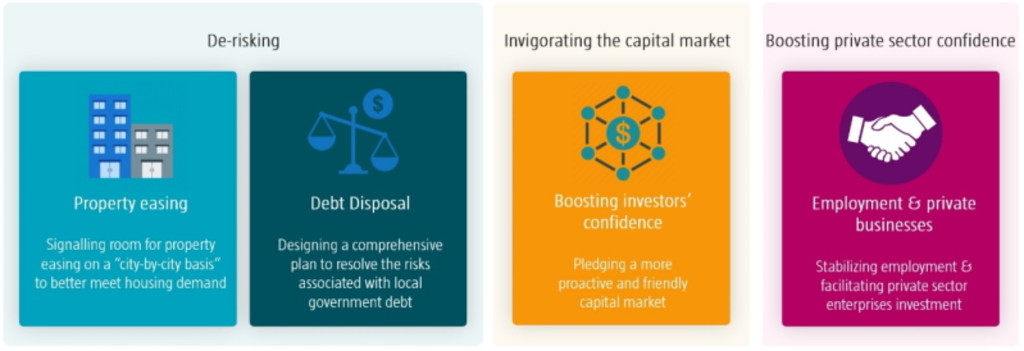
Figure 1: Politburo aims to de-risk and boost the private sector
Source: Robeco
The tone regarding property policies has shifted, indicating a more relaxed stance and suggesting that further easing measures may be implemented. The politburo dropped the phrase “housing is for living not for speculation” and practically, local governments will get more flexibility to remove remaining restrictions on home purchases, and reduce down payment requirements for second mortgages. Banks will also be under pressure to enhance credit support for developers and consider reducing mortgage rates for existing mortgages.
Local government debt resolution key to future fiscal stimulus
The politburo meeting also emphasized the need to effectively address debt risks at the local government level, but details remain unconfirmed. Given the magnitude and complexity of China's local government debt and the potential moral hazard involved, a complete debt swap or bailout of local government financing vehicles (LGFVs) is unlikely in the near future. Instead, we anticipate measures such as debt extensions and de facto restructuring, particularly with banks, to be encouraged. Additionally, local governments may be urged to sell or mortgage assets to improve liquidity and to settle outstanding debts to the corporate sector which would help enhance corporate cash flow and confidence, but may require interim credit or fiscal support from the central government. Given any fiscal stimulus is likely to flow through local government, any definitive restructure of local government debt arrangements could be a precursor to more fiscal support for the economy, and thus is likely to be welcomed by equity markets.
Energizing capital markets
The commitment to rejuvenate capital markets and enhance investor confidence was very well received and media reports suggest securities brokers are being consulted on the potential policy mix.2 Policies under consideration include a stamp duty cut, which would reduce trading costs by RMB 22 billion for A-share investors for every 0.01 ppt cut, in 2022 terms. A reduction in IPO approvals to improve liquidity could also happen, with temporary pause to those from large-sized or nonprofitable companies. Changes to regulations to make equities trading more efficient are also likely, while caps on stock investments by pension, insurance companies, and foreign investors could be lifted.
獲取最新市場觀點
訂閱我們的電子報,時刻把握投資資訊和專家分析。
Boosting private sector confidence
The politburo emphasized the importance of integrating employment stabilization into its overall strategy, in the light of concerns over rising unemployment among specific groups like young graduates, although specific measures have not been announced yet. As the private sector employs the majority of the labor force, policymakers also committed to introducing new policies that facilitate private-owned enterprise (POE) investment, indicating a supportive environment for entrepreneurial activities. The revival of IPO and M&A activities are keys to watch for.
Long-term investors should be re-assured
We welcome the renewed sense of urgency and purpose from the politburo meeting and expect detailed policy measures to flow in the second half. There are also solid reasons for optimism as China works to maintain its economic recovery, including substantial scope for monetary easing as inflation remains absent, and equity valuations remain attractive from a historical average point of view.
Domestic consumption remains a mixed picture with strong performance in services sectors like travel & hospitality where we remain overweight. We like the insurance sector which is benefiting from structural reform. We also like China’s technology names with AI exposure – a long-term theme that has room to run. Regulatory focus on China’s internet sector also appears to be complete, and we are positive as a result, given strong demand. China’s EV supply chain continues to boom with auto exports growing and we continue to favor long-term themes where we believe value lies, including the green economy, technology innovation, and the technological upgrade of China’s industrial base.
The earnings trend has remained subdued but an earnings revival would be a major catalyst for Chinese equity markets, and long-term investors should be in position before that happens to best take advantage.
Footnotes
1 Chinese exports suffer worst fall since start of pandemic – Financial Times – 8 August 2023
2 Rare China Vow on Market Support Puts Beijing’s Toolkit in Focus – Bloomberg – 7 August 2023
重要資料
本網站僅供《證券及期貨條例》(香港法例第571章)及其附屬法例所界定之專業投資者瀏覽及使用。 投資涉及風險。過往表現並不代表未來表現。本網站所載資料僅供參考之用,並不構成任何投資建議,亦非作出買賣任何證券或採納任何投資策略之要約或招攬。投資者不應僅憑本網站提供之資料作出投資決定,在作出任何投資決定前,應徵詢獨立意見(包括有關稅務影響之意見)。投資者應確保完全理解投資產品的相關風險,亦應考量自身投資目標及風險承受水平。投資乃閣下之個人決定。除非銷售投資產品的中介人已向閣下告知該投資產品適合閣下,並已解釋其符合閣下投資目標之原因,否則閣下不應投資。請參閱相關發售文件或其他法律文件,以獲取包括風險因素在內的進一步詳情。 本網站由荷寶投資管理香港有限公司發布,該公司受香港證券及期貨事務監察委員會(「證監會」)規管(中央編號:APU851)。本網站未經證監會審閱。 無法保證任何投資產品可實現其投資目標。概不就任何投資產品之表現或投資回報作任何聲明或承諾。投資的價值或會波動。本網站所載過往表現、推算或預測,均不應視作未來表現之保證或指標,且概不提供任何明示或暗示之保證。本網站內容建基於相信為可靠之來源,惟因應資料傳遞技術特性及須採用多項數據來源(包括第三方內容),故概不保證其準確性。所述觀點僅乃截至上述日期,或會隨市況變化而改變,可予更改而毋須另行通知。該等意見可能有別於其他荷寶投資專業人士之意見。因使用本材料或當中所載任何評論、意見或估算而引致之直接、間接或相應損失,荷寶概不承擔法律責任。荷寶並無責任更新本網站或任何網站內容。未經荷寶事先書面許可,不得複製、分發或刊發本網站任何材料。 除非另有說明,資料來源:荷寶。