
Head of Sustainability Integration


• 市場觀點
事實還是虛構:可持續投資即犧牲表現
相比其他投資風格,環繞可持續投資的似是而非觀點特別多,而當中最主要的迷思是,可持續投資將犧牲表現 — 為了實現某些看似的理想典範而放棄了回報。
作者

概要
- 部分人以為奉行ESG投資無法帶來足夠的回報
- 研究顯示,可持續投資可降低風險並提振表現
- 納入可持續投資可使投資決策的理據更充分
究竟此種拖累表現的誤解源自何方?其中成因是,個別企業或行業需要作出投資才可提升可持續力,而落實投資便要投入資金。以能源業為例,如果將業務焦點轉移至再生能源,便需要投入數以百萬計美元的資金建設基礎設施。只向公平對待員工的供應商採購產品,便會提高成本;至於較間接的例子是,如果一家公司在聘用員工時性別多樣性不足,便可能需要聘請招聘顧問等第三方進行招聘,如此也將增加成本和降低短期回報。
這些例子在理論上意味著,認真實踐可持續信念的企業表現將落後。不過,事實卻往往相反:有越多越多證據顯示,奉行環境、社會和管治(ESG)原則的公司和投資者,其實更能提升表現,主因是這些企業和投資者更有能力減低風險,特別是在應對氣候轉變或不良企業行為的大勢下,對環境、社會和管治標準的要求已經提高。
從牛津大學與Arabesque Partners1於2015年合作進行,題為《由股東至持份者:可持續力如何推動財務佳績》(‘From the Stockholder to the Stakeholder: How Sustainability Can Drive Financial Outperformance’)的研究結果可見,提升可持續力能夠提高而非降低財務表現。此項研究審閱來自超過200個來源的資料,包括學術研究、行業報告、新聞報道和書籍,所得結論是「所審閱的研究有八成顯示,審慎實踐可持續實務對投資表現有利。」
將ESG研究納入投資決策過程的關鍵,在於從投資的角度分析對核心業務的財務表現舉足輕重的事宜。換句話說,焦點應著重於對企業較長線業績將產生直接財務影響的ESG事宜,由此將可轉化為投資回報。就公用事業而言,相關事宜可包括公司營運的能源效益、能源轉型的策略等;至於銀行則包括企業管治、風險管理文化和其產品的盡責管理 (stewardship) 表現等。
研究顯示,ESG因素確實可改變企業的表現:哈佛商學院在2015年的一項研究,首次直接證明在重大ESG事宜的表現和披露較佳的企業,股價也較高。此份題為《企業可持續力:重要性的首個證據》(‘Corporate Sustainability: First Evidence on Materiality’)的研究為財務利益可轉化為資產價值2提供明確的證據。
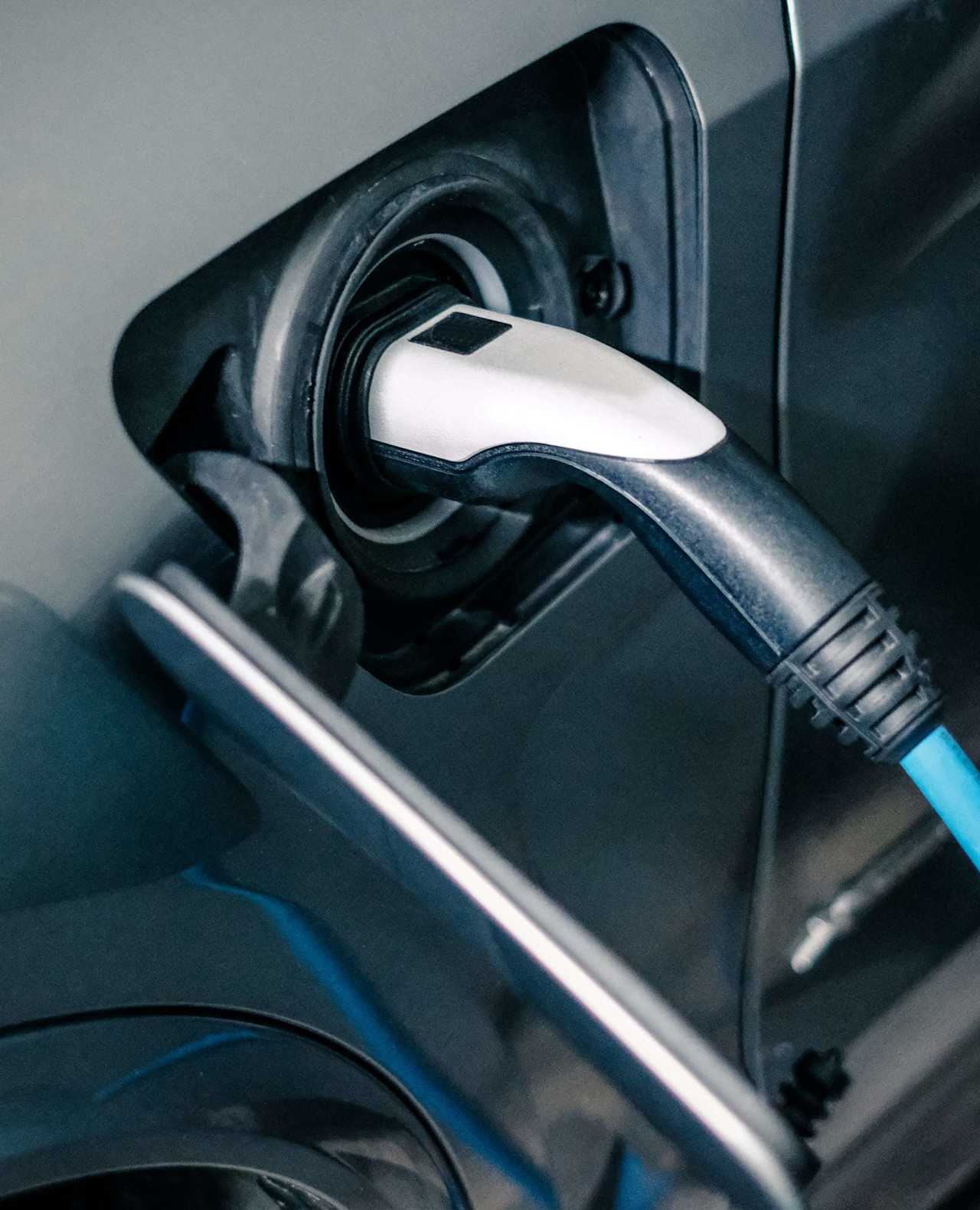
再者,採納ESG實務既可帶來機會,也可減低風險。機會方面,例如電動車已為汽車製造商和供應商(如蓄電所用鋰金屬的生產商)創造豐碩商機;至於風險,透過ESG分析將可暴露依賴廉價勞工的服裝及零售等行業在供應鏈方面的潛在問題,讓投資者在篩選股票或債券投資時得以去蕪存菁,因而減低風險並確保投資於業內最佳的資產。
適時改變業務模型
綜合而論,有越來越多的證據顯示,企業今天能夠逐步提升可持續力,明日將可採收成果,甚至挽救了業務。舉例說,石油公司正慢慢將業務模型由化石燃料轉型至再生能源;汽車製造商也轉為生產電動車,至於零售商也只向經核實人權紀錄的供應商採購貨品。
如果已經實施碳排放限制,那些現正減低碳足跡的企業,未來將可更輕鬆地應付新的政府或監管要求,這些已是房地產以至所有公用事業現正面對的問題。不過,今天提高能源效率,未來將可降低成本和提高利潤。
簡而言之,在投資時顧及可持續因素,將可使所作的決策理據更充分,並在長遠帶來更佳的回報表現。這正是荷寶的理念之本,而我們已坐言起行,將ESG分析併合於股票和固定收益的基礎因素及量化投資過程中。
1 Clark, Gordon L. and Feiner, Andreas and Viehs, Michael, From the Stockholder to the Stakeholder: How Sustainability Can Drive Financial Outperformance (2015年3月 5日)。 可於以下連結瀏覽:SSRN: https://ssrn.com/abstract=2508281 或http://dx.doi.org/10.2139/ssrn.2508281
2 Khan, Mozaffar and Serafeim, George and Yoon, Aaron S., Corporate Sustainability: First Evidence on Materiality (2016年11月9日)。 The Accounting Review, Vol. 91, No. 6, pp. 1697-1724.。可於以下連結瀏覽:SSRN: https://ssrn.com/abstract=2575912 或http://dx.doi.org/10.2139/ssrn.2575912
Important information
The contents of this document have not been reviewed by the Securities and Futures Commission ("SFC") in Hong Kong. If you are in any doubt about any of the contents of this document, you should obtain independent professional advice. This document has been distributed by Robeco Hong Kong Limited (‘Robeco’). Robeco is regulated by the SFC in Hong Kong. This document has been prepared on a confidential basis solely for the recipient and is for information purposes only. Any reproduction or distribution of this documentation, in whole or in part, or the disclosure of its contents, without the prior written consent of Robeco, is prohibited. By accepting this documentation, the recipient agrees to the foregoing This document is intended to provide the reader with information on Robeco’s specific capabilities, but does not constitute a recommendation to buy or sell certain securities or investment products. Investment decisions should only be based on the relevant prospectus and on thorough financial, fiscal and legal advice. Please refer to the relevant offering documents for details including the risk factors before making any investment decisions. The contents of this document are based upon sources of information believed to be reliable. This document is not intended for distribution to or use by any person or entity in any jurisdiction or country where such distribution or use would be contrary to local law or regulation. Investment Involves risks. Historical returns are provided for illustrative purposes only and do not necessarily reflect Robeco’s expectations for the future. The value of your investments may fluctuate. Past performance is no indication of current or future performance.