
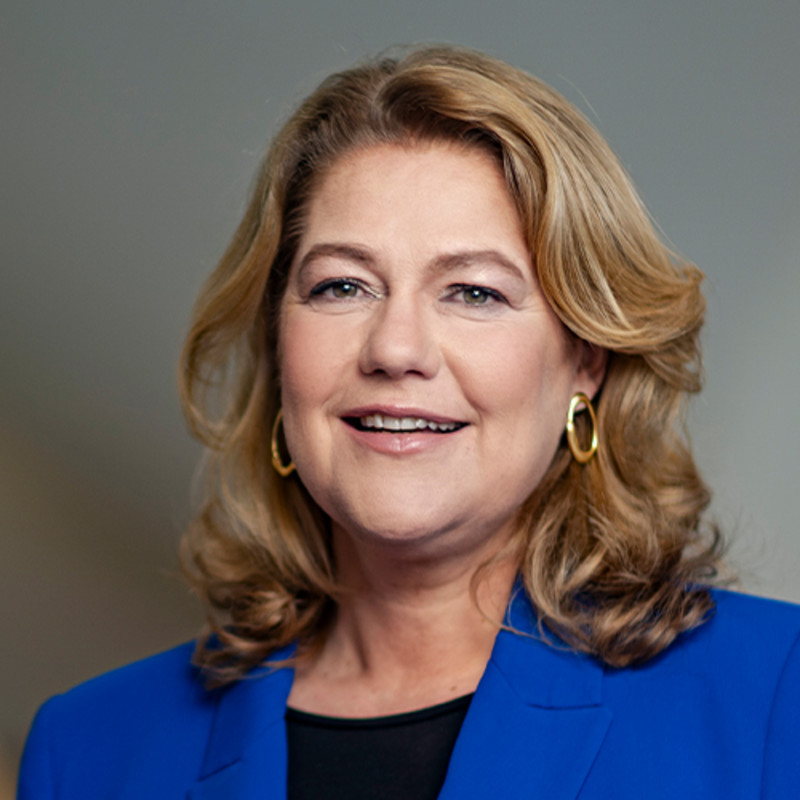
Head of Sustainability Integration


• 可持續投資難題
SI Dilemma: What is our real world impact as investors in secondary markets?
Allocating capital is the core business of investing. However, when investing through secondary markets, which is the largest part of what we do as asset managers, the link with actual new capital allocation is limited. Why then are we often held accountable for any investments that make a negative impact, but are scrutinized for taking credit for those investments that make a positive impact?
概要
- Proving that buying and selling stocks or bonds creates change is hard
- Decarbonization supported by engagement does make a difference
- Creating impact in secondary markets means investing in innovative companies
In the secondary market, there is always a buyer for everything we sell, and vice versa. We can influence prices, but selling or buying stocks or bonds does not lead to change in the real world directly. There are several mechanisms through which investors can influence real world change.
Allocating capital to companies based on ESG performance or impact can increase a firm’s cost of capital (which becomes important when money needs to be raised), or it can signal to stakeholders that the company should change its behavior. Unfortunately there is not a lot of empirical evidence yet that this is particularly effective.1
And then of course companies with higher costs of capital require higher returns, which could be interesting for financial-only investors. Another interesting perspective on this is given in our five-year Expected Returns, where we examine the potential climate impact on asset prices.2
Companies tend to be valued on cash flow models. Besides the long-term argument of a high cost of capital leading to higher returns for ‘brown’ companies, you can also use the shorter-term argument of an adaptation period. This takes into account climate change impact and how the cashflows of companies will be affected by climate change risk in the medium term. We assume that in the coming five years a positive climate premium will be priced in, leading to lower returns for ‘brown’ companies during this ‘adaptation period’.
As investors, the challenge for us is to reduce our real world negative impact and increase our real world positive impact. However, there is no clear evidence yet we can do this through capital allocation, though we have found other ways of exerting influence. An example of this is our net zero roadmap, which aims to help achieve a carbon neutral world by 2050. An important part of this is decarbonizing our assets.
But as discussed above, by selling our most carbon-intensive assets, the world does not suddenly emit less carbon. Therefore, we add other elements to our roadmap such as decarbonizing our own operations, which does have a direct impact and shows that we walk the talk.
We also try to accelerate the transition by engaging with companies and countries. Lastly, we cooperate with many investors, academics and industry initiatives to set standards and promote climate-aligned investing. We have also promised to work with our clients on decarbonization to cover 100% of our assets under management by 2050.
So, decarbonization is a big part of our net zero roadmap, and we are firing on more cylinders…
Creating impact through investing in secondary markets
Having said all that, as a golden oldie in the sustainable investing space, I simply refuse to believe that we do not have an impact through buying and selling stocks in the secondary market. We are seeing sustainability becoming more important and certain areas of business are becoming less and less acceptable to invest in, such as tobacco, controversial weapons and coal.
At the same time, some businesses have become more attractive to investors in areas such as energy efficiency products and electrical vehicles. This sends a clear signal to companies active in this space. Even if it is not a premium to harvest, at the least, we will be experiencing a transition period.
But there is also a second way to make an impact – namely by researching to what extent companies produce products and services that make a clear contribution to some of the sustainable development challenges. We can also research to what extent they develop new business models and expand their businesses into otherwise under-served markets, countries or regions.
了解最新的可持續性市場觀點
訂閱我們的電子報,探索塑造可持續投資的趨勢。
How innovative companies make a difference
Some examples are innovative companies that are reducing their footprints via recycling, and pharmaceutical companies that work on pricing models based on the efficacy of the product. This is enabling them to develop cheaper access to health care via digitalization, or give access to medicine in under-served markets.
These companies create an impact versus the status quo. Investing in them will provide them with a shareholder who supports their mission and long-term orientation, which helps the company achieve both the financial and impact goals.
So, by taking both ESG and financials into account, and by adding active ownership with corporates, governments and our clients to the mix, we actually do increase our impact.
Footnotes
1 Is Exclusion Effective?, David Blitz and Laurens Swinkels, The Journal of Portfolio Management Ethical Investing 2020. And Cost of Capital and Sustainability: A Literature Review, Gianfranco Gianfrate, Dirk Schoenmaker, Saara Wasama, Erasmus Platform for Sustainable Value Creation,
2 5-year Expected Returns: the Roasting Twenties
SI Debate
重要資料
本網站僅供《證券及期貨條例》(香港法例第571章)及其附屬法例所界定之專業投資者瀏覽及使用。 投資涉及風險。過往表現並不代表未來表現。本網站所載資料僅供參考之用,並不構成任何投資建議,亦非作出買賣任何證券或採納任何投資策略之要約或招攬。投資者不應僅憑本網站提供之資料作出投資決定,在作出任何投資決定前,應徵詢獨立意見(包括有關稅務影響之意見)。投資者應確保完全理解投資產品的相關風險,亦應考量自身投資目標及風險承受水平。投資乃閣下之個人決定。除非銷售投資產品的中介人已向閣下告知該投資產品適合閣下,並已解釋其符合閣下投資目標之原因,否則閣下不應投資。請參閱相關發售文件或其他法律文件,以獲取包括風險因素在內的進一步詳情。 本網站由荷寶投資管理香港有限公司發布,該公司受香港證券及期貨事務監察委員會(「證監會」)規管(中央編號:APU851)。本網站未經證監會審閱。 無法保證任何投資產品可實現其投資目標。概不就任何投資產品之表現或投資回報作任何聲明或承諾。投資的價值或會波動。本網站所載過往表現、推算或預測,均不應視作未來表現之保證或指標,且概不提供任何明示或暗示之保證。本網站內容建基於相信為可靠之來源,惟因應資料傳遞技術特性及須採用多項數據來源(包括第三方內容),故概不保證其準確性。所述觀點僅乃截至上述日期,或會隨市況變化而改變,可予更改而毋須另行通知。該等意見可能有別於其他荷寶投資專業人士之意見。因使用本材料或當中所載任何評論、意見或估算而引致之直接、間接或相應損失,荷寶概不承擔法律責任。荷寶並無責任更新本網站或任何網站內容。未經荷寶事先書面許可,不得複製、分發或刊發本網站任何材料。 除非另有說明,資料來源:荷寶。