Transcript
This podcast is for professional investors only.
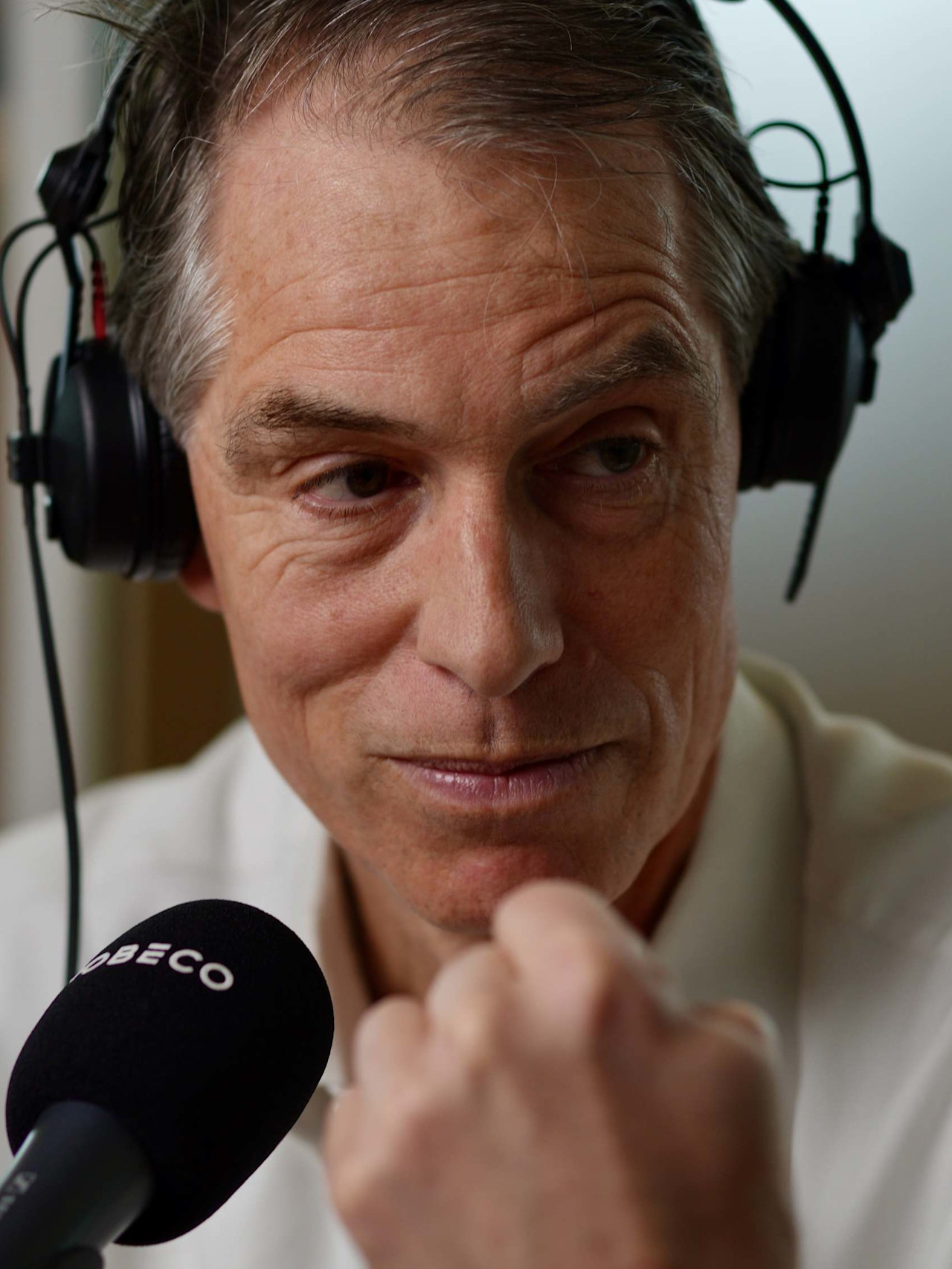
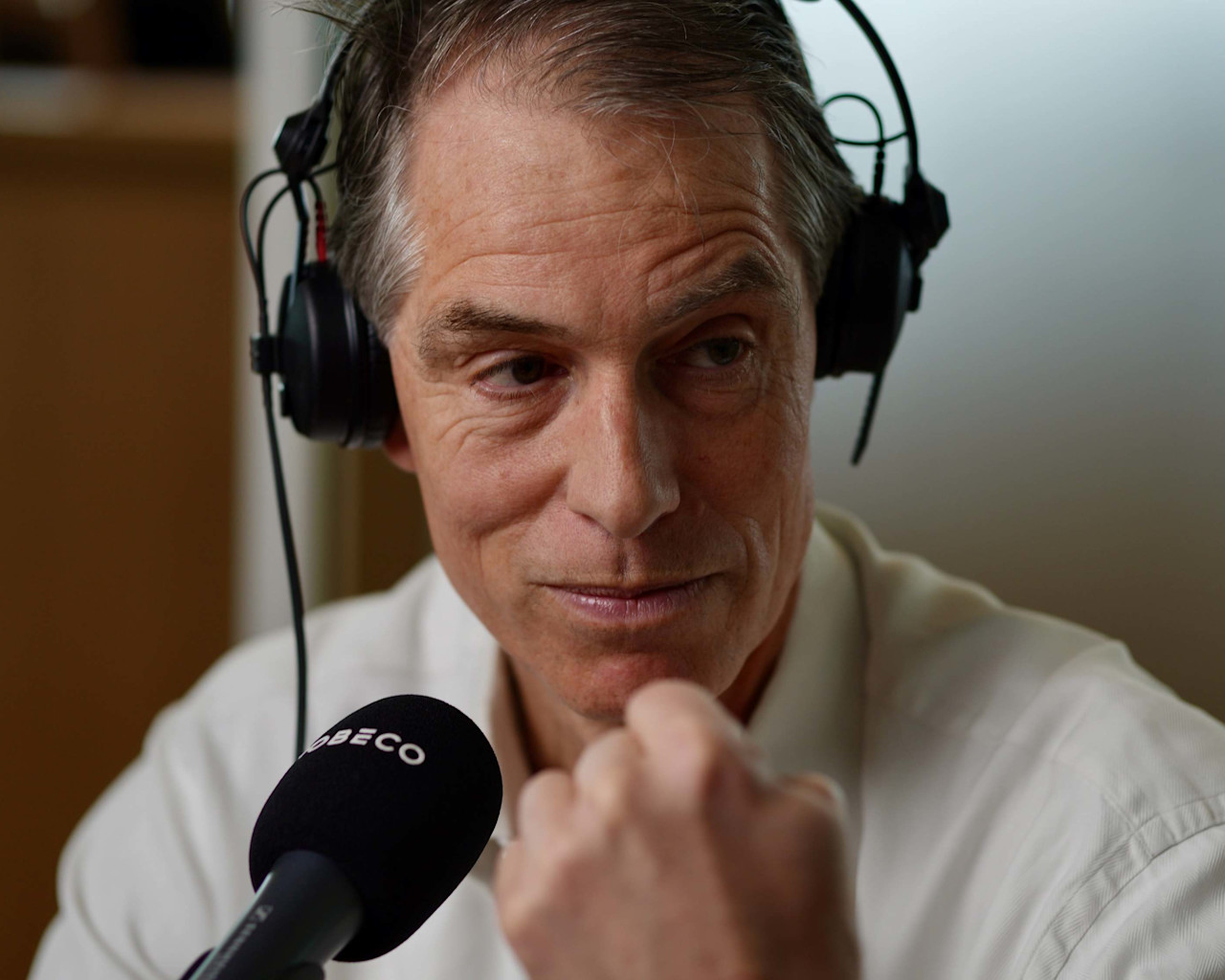
Erika van der Merwe (EM): Welcome back to Robeco’s special edition podcast on the military conflict in the Middle East. My name is Erica van der Merwe. The situation has escalated since US and Israeli forces struck Iran four days ago. As would be expected, markets are feeling the heat and increasingly so given that there are no clear signs of de-escalation. I'm joined again by Colin Graham, head of investment solutions at Robeco, to consider the investment implications. Welcome, Colin.
Colin Graham (CG): Hi, Erika.
EM: So, Colin, war is always a somber and a devastating matter. But from a purely markets perspective, the key concern, it seems at this point is still the implications for energy markets therefore prices and therefore inflation in the short medium and even the long run. Would you agree?
CG: Yes, Erika. What's changed from yesterday when we talked about this, is that the Straits of Hormuz is effectively closed. So both the rhetoric from Iran. But if you actually go to a shipping broker and say, can I sell my ship through the Strait of Hormuz, their insurance premiums are going to be very, very high.
EM: Right.
CG: So effectively, it's closed. And we know that 83% of the oil coming out of the Strait of Hormuz goes to Asia. So, China and the various other countries around there, India. Then you can see why Asia had a big sell off yesterday, because Japan is very dependent on energy imports. And you can see why that's moved to Europe, because they are also very dependent on energy prices going in there. And our strategist Pieter van der Velde has done a sort of study, and he thinks that European economy is about three times more sensitive to a rise in oil price than the US one. So there are other parts of the market which have performed very well, which are in the crosshairs.
EM: Okay. Before I ask you about but the components of those movements, if you just look overall at the market sentiment today compared to yesterday when we spoke. So yesterday there was more of a sentiment of buy the dip. And I think that was a reflection of markets assuming that this might be over soon. With today it's a far heavier selloff.
CG: Yeah. And again, it's not the standard asset classes you think of that are selling off in the risk off environment. And there's certain asset classes that are staying well bit. So, you know, what has career equities, Japan equities, gold, treasuries, bank stocks, and cyclicals all got in common?
EM: Not a lot. You tell me --
CG: Exactly.
CG: Yeah. So these are all areas of the market done very very well. So these are ones where investor positioning is very positive. So we're seeing this phase as more of, “Okay let's sell our profits -- take our profits -- on these various markets.” And that's why gold and equities are moving together today.
EM: Okay.
CG: So we think it's just profit taking on positions that investors have in portfolio. So nothing systemic yet.
EM: Okay. So link that then to because typically if we include in that very diversified list is some safe haven assets so there's normally a flight to safety playbook that plays out. It seems different.
CG: Yes apart from the dollar. But then if we look at the rhetoric around the dollar since the start of the year, it's everybody's short [of] dollar. So that's a very under -- if you think about it -- that's a very under owned safe haven asset. And therefore that's why you're seeing the dollar actually strengthen, as it should, being [a] safe haven.
EM: Okay. To what extent is the bond selloff around inflationary concerns.
CG: Yeah. Difficult to say. So we've just had our investment meeting. So we've discussed this and what the reaction function of central banks were and any spike in headline CPI inflation will be looked through by central banks because it's driven by the energy and will go up and it will come back down.
EM: Okay.
CG: So that. And what they'll say is, “Well actually higher energy prices are [a] drag on growth. Therefore we need to have lower rates.” Surely in order to make sure the economy is still running. So you could see this happen and therefore you'd expect much steeper yield curves from that perspective. So again, I'm not sure that the inflation aspect is fully priced in because if President Trump comes up tomorrow and says the war is over before his vote on Thursday in Congress, then you could see, well, this is a very short lived episode. Therefore, it doesn't have any inflationary impact.
EM: Okay. But if it were not, then we would nevertheless expect central banks to rethink things that were already dealing with sticky inflation before Saturday, right? So this does muddy the waters further?
CG: Yes. And I think it's the long term horizon versus the short term horizon. Short term they have to make sure that growth is still okay. And then they can worry about inflation later on. So central banks always worry about deflation and inflation. And if they don't have the tools to get out of a deflationary spiral, see BOJ for example. So they want to avoid that at all costs. So they'd rather err on the side and say well we know how to deal with inflation and we'll deal with that later. Very similar to what we saw at the start of this decade in the US, where Powell was saying, “Don't worry about it. We know we can deal with inflation. We're going to see it as transitory and then we'll deal with it if it comes.”
EM: Right. So far, you've touched on aspects of this, but which asset classes and which sectors have been the clear winners so far?
CG: Cash has been a clear winner. [CG laughs] But again, look, you know, we're still close to all-time highs in equities. It's not that it's like 2 or 3% fall. So it's not a big thing. What we're concerned that it continues further on. And we've done some analysis looking at prior events where you've seen a kinetic escalation of tensions. And generally you see it lasts two or three weeks to the bottom of the market, last two or three weeks to get back to where you were at the start. So that's telling you, you know, it could continue. So what we're doing is we're saying, “Look, we don't know. So let's cut half of our overweight in equities for risk management purposes. Let's see how this plays out. At the end of the week, it's going to be key whether the votes in Congress about the intervention in Iran is legal or not. If Donald Trump declares victory before that, then there's no vote, if you like. Secondly, if the Straits of Hormuz are still pretty closed by the Friday, then I think we'd be de-risking the portfolios further.” Because the escalation period and the duration of the disruption is getting longer, and therefore people will stop looking through this as a regional conflict and go, “Okay, this can affect the global economy. Let's figure out how it is.” Unfortunately, they'll say, “Let's figure out how it's going to affect the global economy and the assets we want to hold.” But they'll do it from a neutral position, not an overweight position. Hence why we've seen this de-risking of trades that have been very popular this year.
EM: And so just a final point on your portfolio and your tactical positioning right now if you were to de-risk your portfolio, define what that means?
CG: So we would take equities out. So we've been long emerging markets and we have been neutral on the US which means that we've been sort of slightly overweight Europe and Japan. So those – Japan, Europe, and emerging markets -- are where we'll take the risk down, so we'll cut the overweight in half. So that's taking a couple of percent out of emerging markets and a couple of percent out of Europe and Japan.
EM: And other asset classes?
CG: We discussed this, and I don't like any of the other ones. [CG laughs]
EM: Preferring cash right now? [EM laughs]
CG: Yeah, absolutely. So even, you know, long duration bonds, you're concerned about that, given the price action. Short duration bonds will probably work. So thinking about one to three year type time horizons, whether it's governments or indeed credit at this particular juncture, those types of assets should – will -- protect your money in the short term.
EM: From your perspective, just to emphasize this is not investment advice. You're talking around how you are thinking around your own portfolio right now. And then kind of in closing, what steps, announcements or diplomatic moves do you think would cause markets to calm down in addition to what you've already mentioned about US Congress?
CG: I think the de-escalation. We are not sure what the other large player in the world, the other so far in China. We're not sure what they're going to do and how they're going to react. We have a summit between Trump and Ji coming up soon. So again, we've seen this before where the US administration will escalate, escalate, escalate in order to get a good negotiating stance.
EM: Right.
CG: So if you think of that direction and we touched on this yesterday about the wider restriction on oil supply to China as well. So, that to me is sort of the endgame that we're sort of working on. So it means it could last two, three weeks.
EM: Colin. Great, thanks so much for coming in again, sharing your insights.
CG: Thanks, Erika.
EM: That was Robeco’s Colin Graham giving his expert insights on the market implications of the ongoing events in and around Iran. Thank you for joining this special update, available on all major podcast platforms and on the Robeco website. Stay tuned for our regular monthly episode. Until next time.
Thanks for joining this Robeco podcast. Please tune in next time as well. Important information. This is marketing material intended for professional investors. Capital at risk. The podcast was brought to you by Robeco Institutional Asset Management, a Dutch investment management firm located in Rotterdam, the Netherlands. Robeco Institutional Asset Management B.V. has a license as manager of UCITS and EFS for the Netherlands Authority for the Financial Markets in Amsterdam. In the US, this is brought to you by Robeco Institutional Asset Management, US, Inc., an investment advisor registered with the US Securities and Exchange Commission.