
Head of Active Ownership


• Active Ownership Report
Forever and a day: Phasing out dangerous chemicals
The launch of an engagement theme to phase out ‘forever chemicals’ leads the Robeco Active Ownership team’s report on its work in the third quarter.
Authors

Summary
- Engagement theme begins on ‘Hazardous chemicals’, focusing on PFAS
- Update on sovereign engagement in Australia on climate policies
- Reports on ‘Controversial behavior’ theme and proxy voting season
The report also includes updates on trying to stem controversial corporate behavior, and on the collaborative engagement conducted with Australia over its climate transition policies. The team finally reviews the recent proxy voting season and asks the question: “Do we need a Say on Sustainability?”
It caps a busy summer for Robeco’s engagement specialists in tackling issues that pose a serious threat to human health and climate change, led by the opening of dialogues with chemicals companies to phase out the use of per- and polyfluoroalkyl substances (PFAS).
The new ‘Hazardous chemicals’ engagement theme raises the social, environmental and litigation risks around the production and distribution of chemicals such as PFAS, also known as ‘forever chemicals’ as they don’t degrade naturally. PFAS are used to make kitchenware, grease-proof packaging or medical clothing, and products that can repel water and bacteria – but there is a dangerous flipside.
“A growing amount of scientific research has associated these chemicals with causing cancer, infertility and a damaged immune system,” says Sylvia van Waveren, who is leading engagement on this theme.
“A global health challenge, we will be asking companies at the root of it to develop a timeline and action plan for phasing out PFAS, and to create safer alternatives for all hazardous chemicals’ production and their use.”
Companies involved in severe breaches of guidelines by the United Nations Global Compact (UNGC) and Organization for Economic Cooperation and Development (OECD) are subject to an enhanced engagement process. This aims to eliminate the problem and ensure that systems are put in place to prevent similar breaches from reoccurring. This process has potential investment implications that can include exclusion.
“We recently rolled out a number of improvements to our approach to our ‘Controversial behavior’ engagement theme and we are pleased to see this has borne fruit,” says senior engagement specialist Yumi Fujita in her progress report. “We have started to see positive results on both the environmental and social fronts, even in some of the most challenging contexts.”
“Going forward, this progress will be reflected in our new in-house controversy scores, which allow for a faster and more agile upgrading and downgrading across investment frameworks, and thus a better representation of risks across our products.”
Australian sovereign engagement
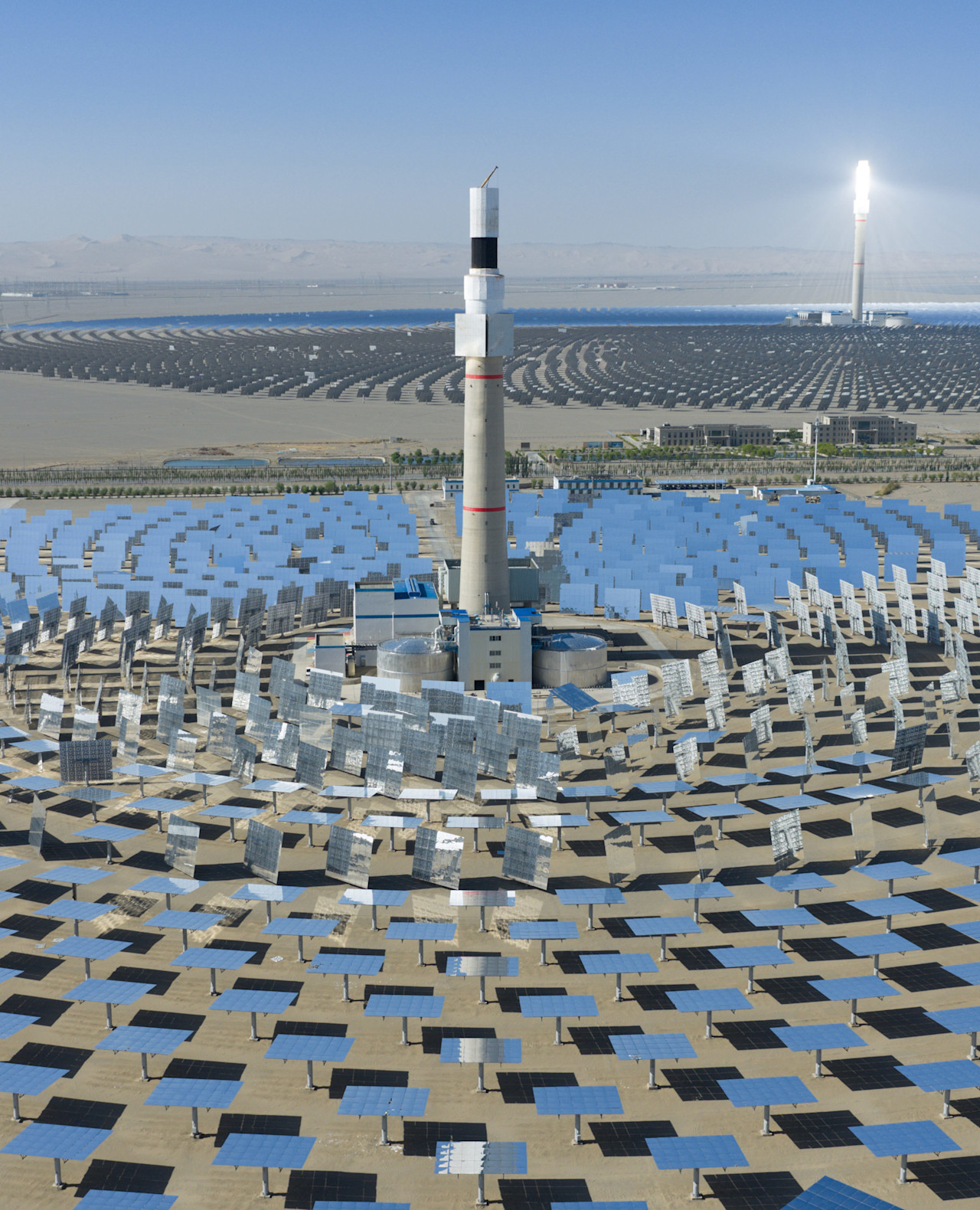
Tackling global warming remains a priority around the world, and one of the countries that has seen the worst effects of it has been Australia, which has suffered severe bushfires and droughts in recent years. The country is also a major producer and user of coal, thereby contributing to its own environmental degradation.
“We therefore initiated a sovereign engagement program with Australia in 2021 to support its climate transition policy away from coal,” says Head of Active Ownership Peter van der Werf, who visited the country for a second time to take part in the talks. He reports on the generally positive outcomes of many meetings held in August 2024 with representatives from federal, state and regulatory agencies, including with the Australian Treasurer.
“Sovereign engagement is important, as national policy commitment on climate is used by Australian companies in their targets, while creating a level playing field among different countries contributes to addressing systemic risk for investors.”
Robeco is acting as a member of the advisory committee and co-lead of a working group under the PRI’s ‘Collaborative sovereign engagement on climate change with Australia’ initiative. During the latest trip, the collaborative team pressed the necessity that Australia sets a carbon reduction target of at least a 70% in its upcoming publication of its 2035 Nationally Determined Contributions (NDCs).
Do we need a ‘Say on Sustainability’?
Finally, investors’ role in corporate annual general meetings have seen major progress in achieving a ‘Say on Pay’ when reviewing directors’ remuneration, and a ‘Say on Climate’ when addressing their climate change policies. But should there also be a ‘Say on Sustainability’ for the wider issues? The question is asked by voting specialist Diana Trif while reviewing Robeco’s proxy voting activities.
“‘We ask the question of why don’t investors have a ‘Say on Sustainability’, especially given the increasingly high materiality of the topics across companies risk management, investments and reporting,” she says.
“Having a ‘Say on Sustainability’ would allow investors to convey their views to the board and management through a clear ‘for or against’ vote, making the overall annual general meeting more constructive.”
Get the latest insights
Subscribe to our newsletter for investment updates and expert analysis.
Important information
THIS WEBSITE IS SOLELY INTENDED FOR PROFESSIONAL INVESTORS, WHICH HAS THE MEANING ASCRIBED TO IT IN THE SECURITIES AND FUTURES ORDINANCE (CAP. 571 OF THE LAWS OF HONG KONG) AND ITS SUBSIDIARY LEGISLATION. Investment involves risks. Past performance is not indicative of future performance. The information contained in this website is provided for reference only and does not constitute investment advice or an offer or solicitation to buy or sell in any securities or to adopt any investment strategy. Investors should not base their investment decisions solely on the information provided on this website and are advised to seek independent advice (including advice on tax implications) before making any investment decisions. Investors should ensure they fully understand the risks associated with the investment products and should also consider their own investment objectives and risk tolerance level. The investment decision is yours. You should not invest unless the intermediary who sells you the investment products has advised you that it is suitable for you and has explained how it is consistent with your investment objectives. Please refer to the relevant offering documents or other legal documents for further details including the risk factors. This website is published by Robeco Hong Kong Limited which is regulated by the Hong Kong Securities and Futures Commission (“SFC”) (CE No. APU851). This website has not been reviewed by the SFC. No assurance can be given that the investment objective of any investment products will be achieved. No representation or promise as to the performance of any investment products or the return on an investment is made. The value of investments may fluctuate. Past performance, projections, or forecasts included in this website should not be regarded as guarantees or indications of future performance, and no express or implied warranty is provided. The contents of this website are based on sources believed to be reliable, but due to the nature of information delivery technology and the necessity of using multiple data sources, including third party content, their accuracy is not guaranteed. The opinions expressed are as of the date shown above and may change as market conditions evolve, and are subject to change without notice. These opinions may differ from those of other Robeco investment professionals. Robeco accepts no liability for any direct, indirect, or consequential loss arising from the use of this material or any comments, opinions, or estimates contained herein. Robeco has no duty to update this website or any website content. Materials on this website may not be reproduced, distributed, or published without prior written permission from Robeco. Unless otherwise specified, Source: Robeco.