
Head of SI Thought Leadership and Climate & Biodiversity Strategist
• Insight
Good COP or bad COP for climate summit in oil’s heartland?
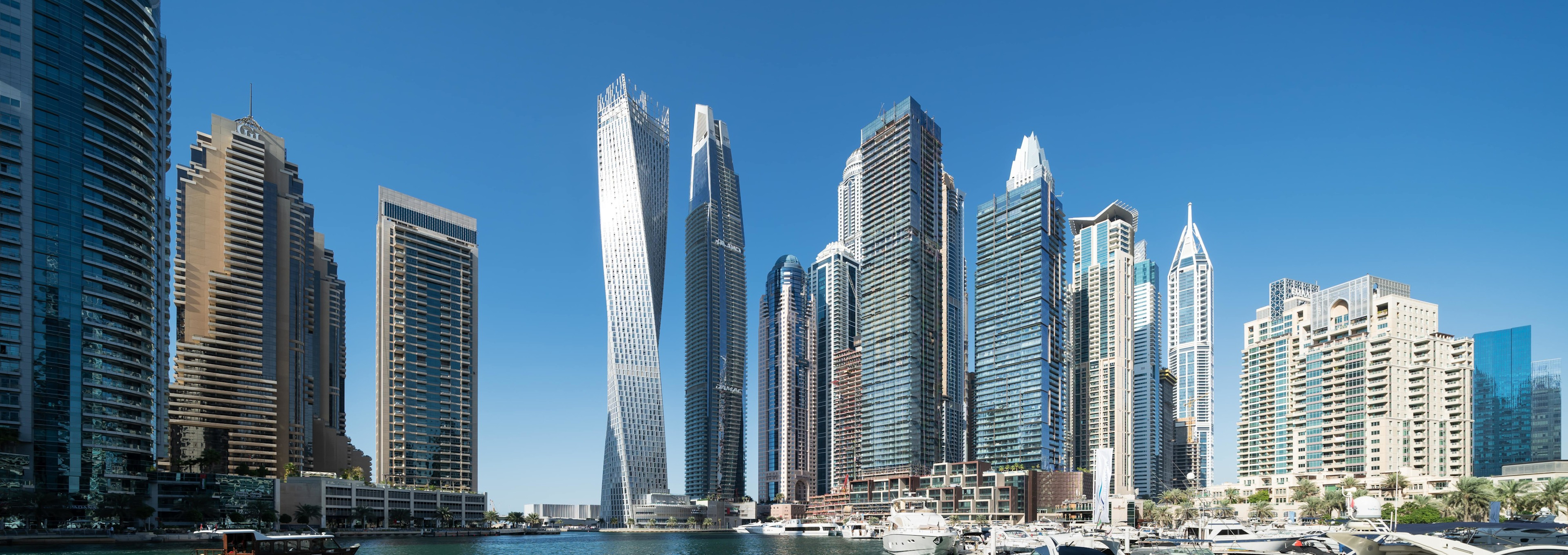
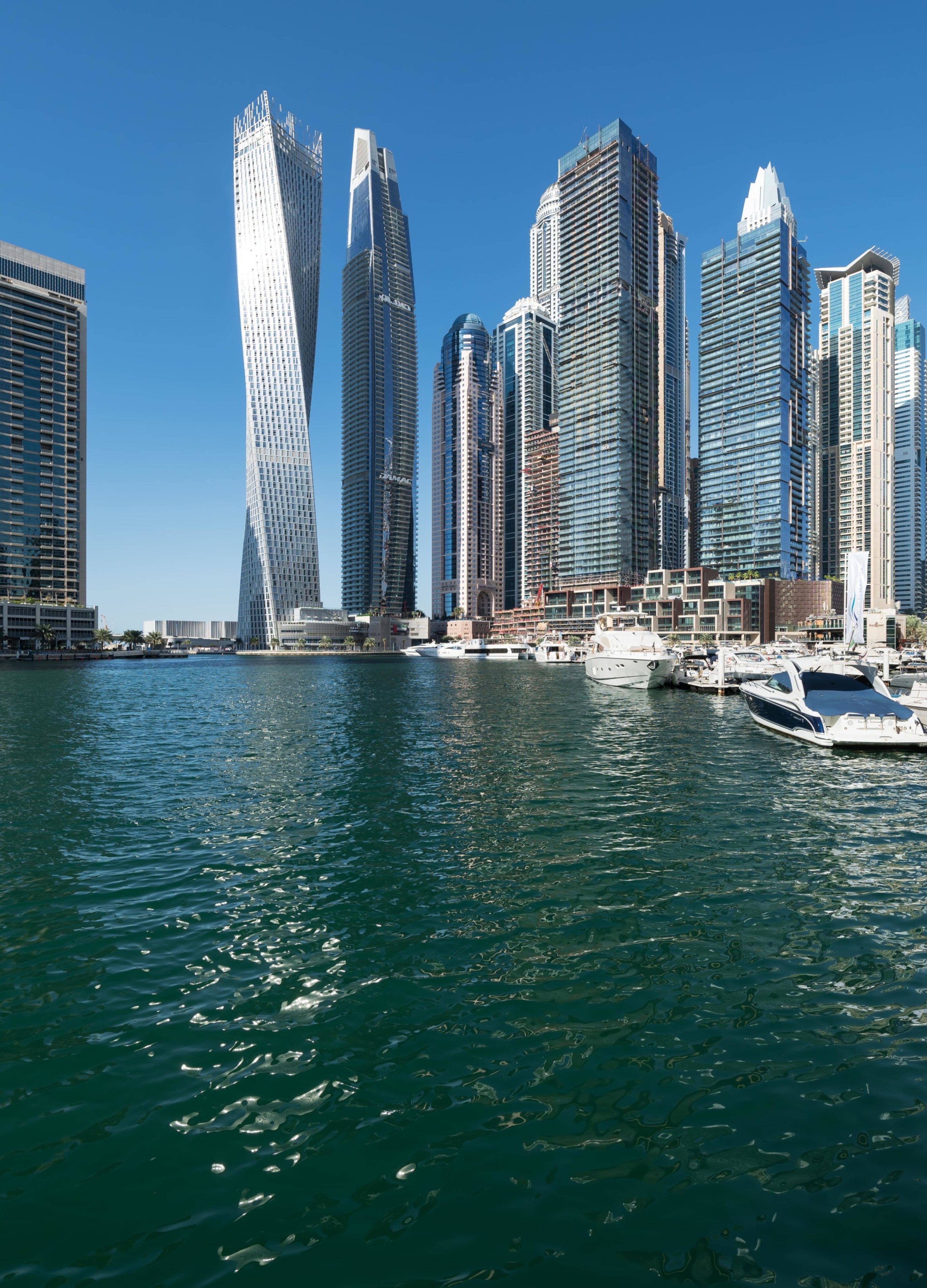
It’s the first formal stocktake of how seriously the world is taking measures to combat climate change. So, will the upcoming COP28 summit in Dubai yield any concrete results?
Authors
Summary
- COP28 provides stocktake of progress in meeting the Paris Agreement
- Climate fund and transition finance on agenda for summit in UAE
- Phasing out of fossil fuels and impact of nature also take center stage
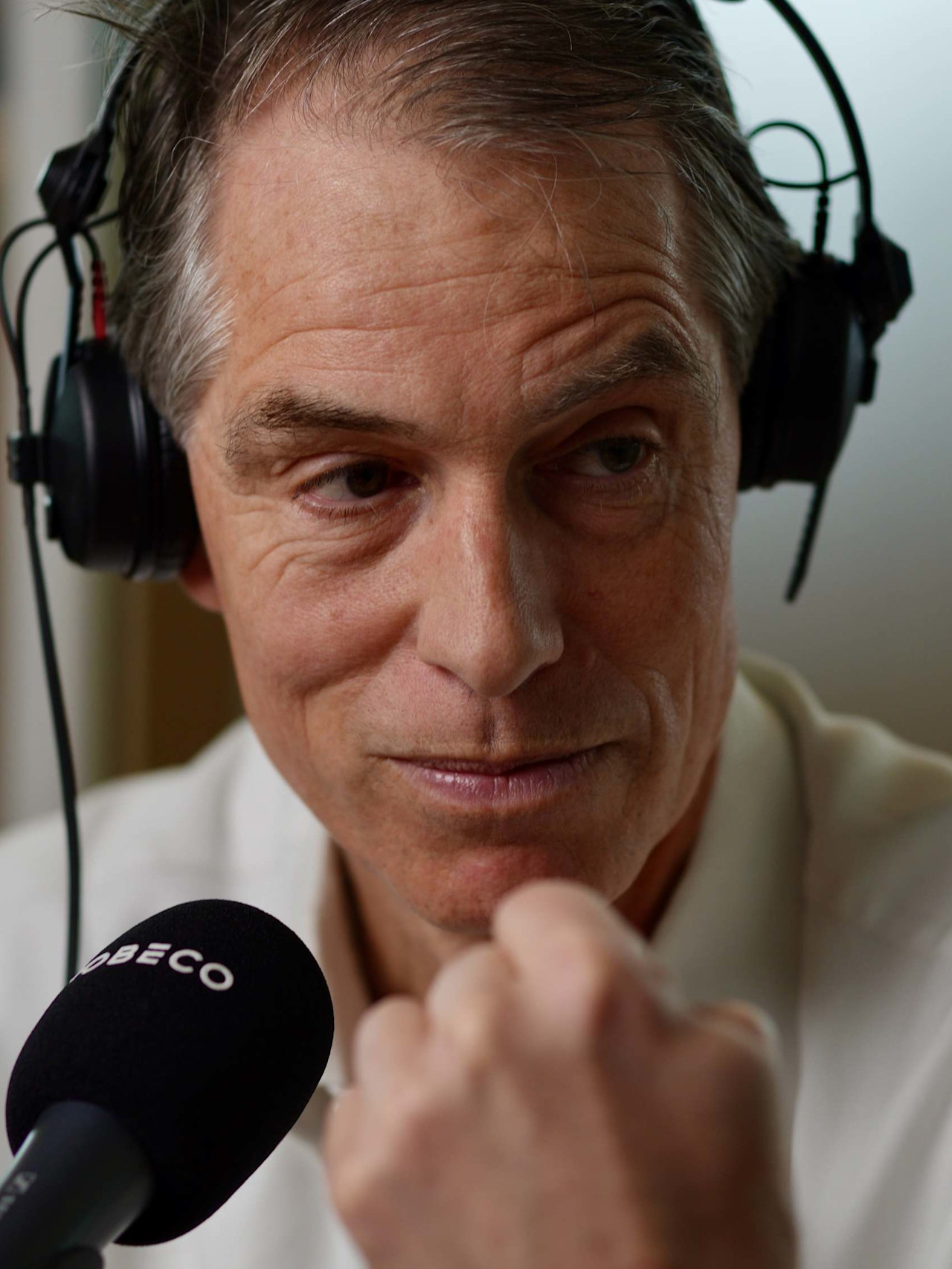
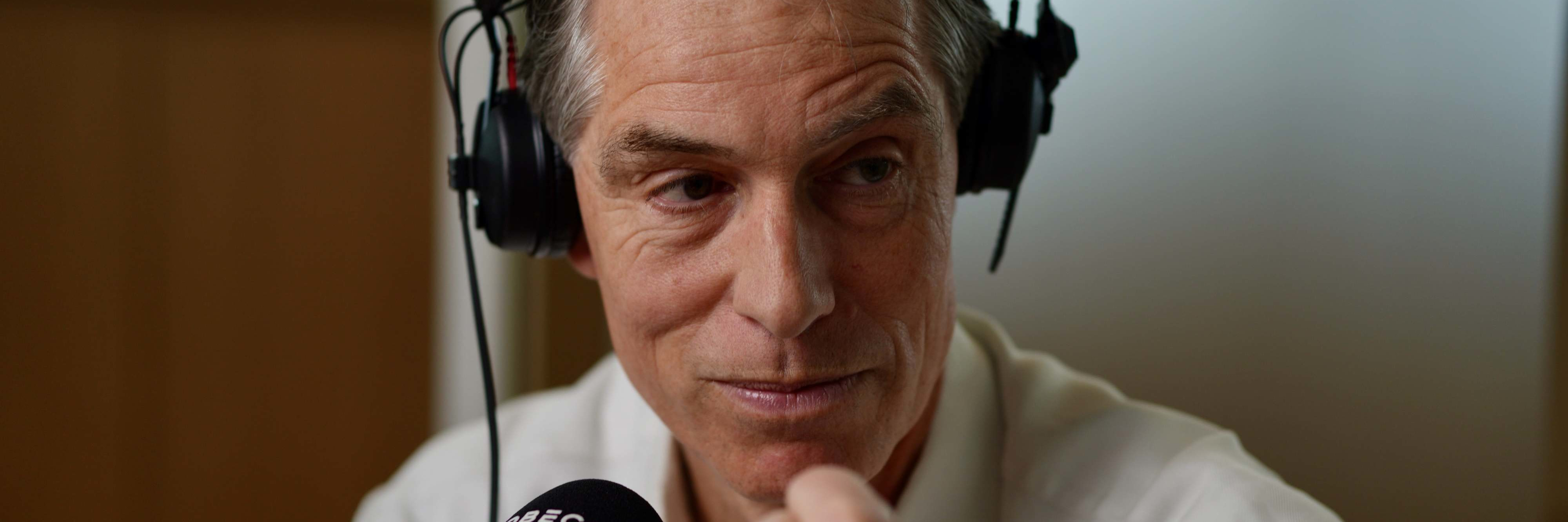
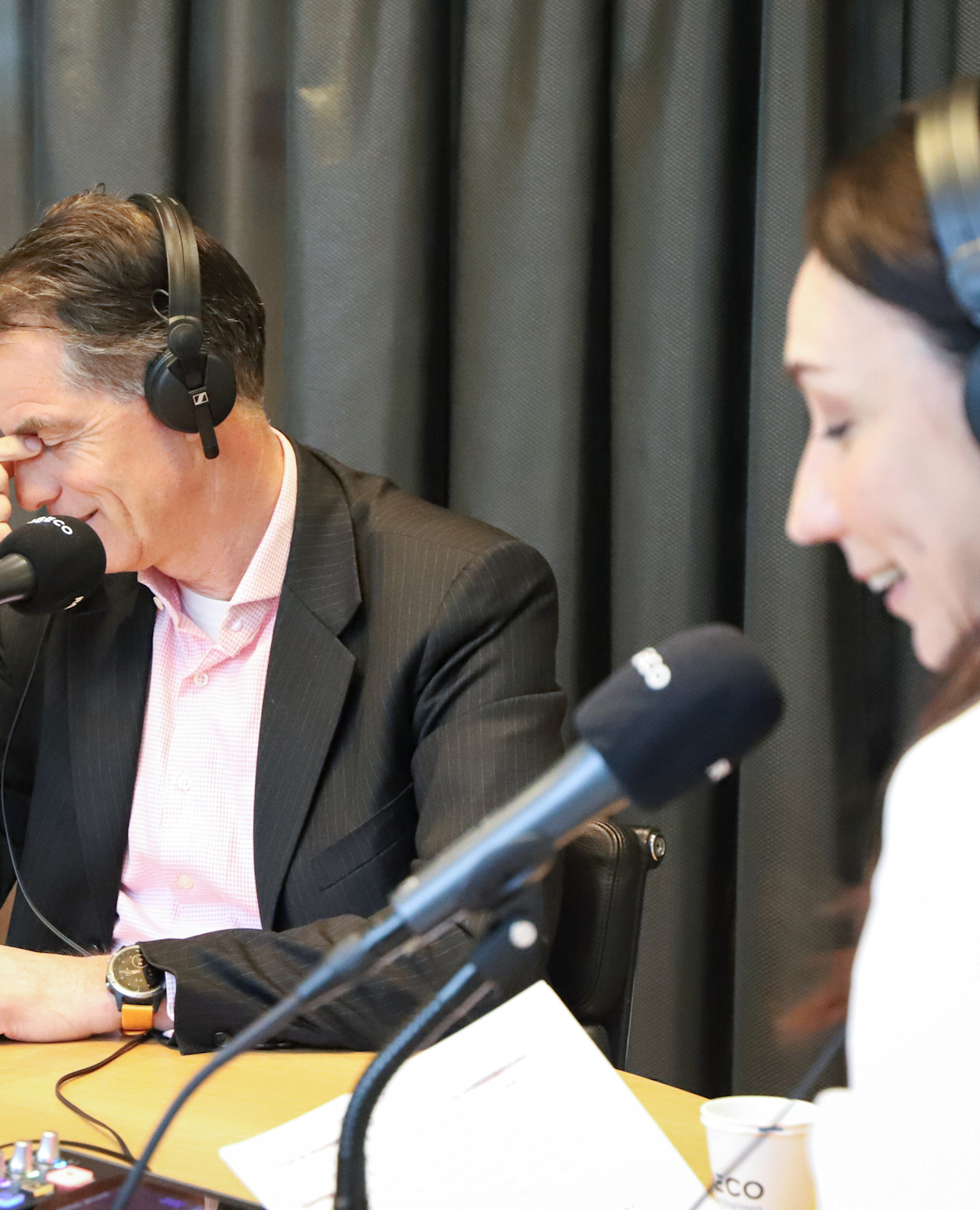
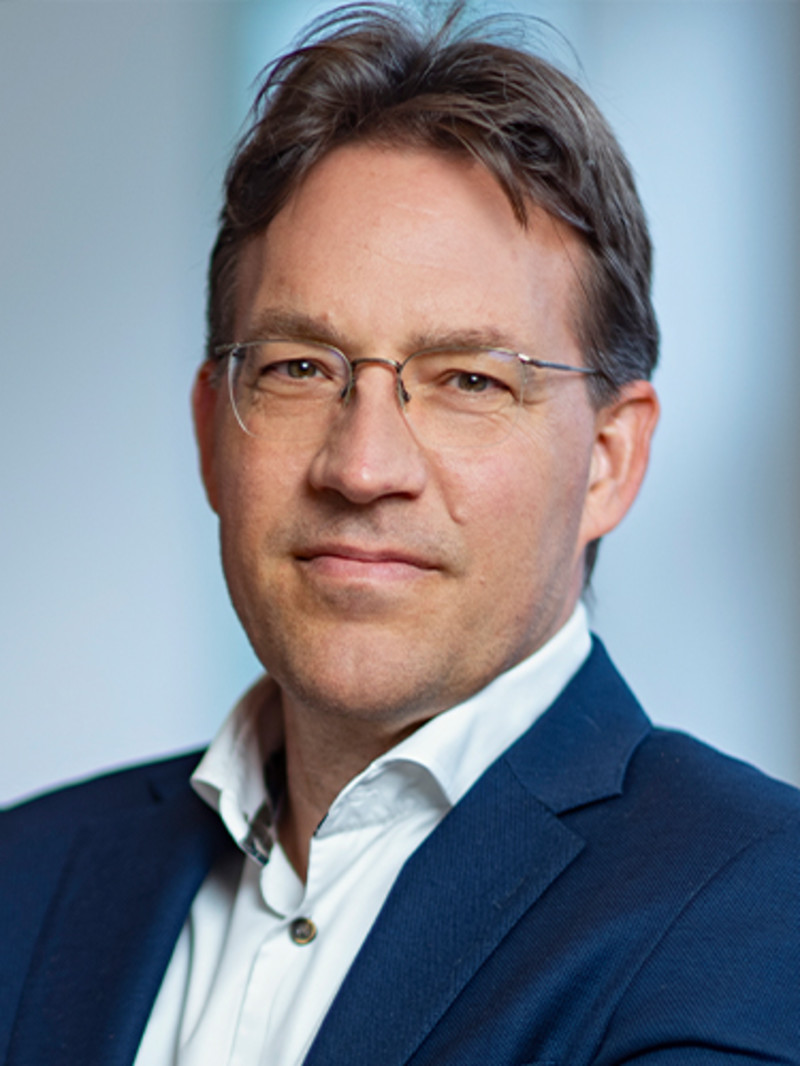
Yes, says Robeco’s climate and biodiversity strategist Lucian Peppelenbos, who says he hopes to be pleasantly surprised about progress, though some things may end up as simply more hot air.
Holding the 28th edition of the more grandly titled Conference of the Parties of the United Nations Framework Convention on Climate Change (UNFCCC) in the United Arab Emirates has already raised eyebrows, since the country is the world’s seventh largest oil producer.
At the heart of the agenda is ‘the first Global Stocktake’ which aims to provide the first comprehensive assessment of progress in decarbonizing the world since the Paris Agreement was signed in 2015. Peppelenbos says there are three other things to watch out for: the creation of a loss and damage climate fund; the phasing out of fossil fuels; and the delivery of global climate finance. So, will it be a good COP or a bad COP?
The Paris Agreements seeks to limit global warming to well below 2 degrees Celsius, and preferably 1.5 degrees, compared to pre-industrial levels. However, the most recent UN report calculates that the world is heading for 2.4 degrees.
“All governments need to rush through policies, but given the current political landscape, we are unlikely to see a major breakthrough on this,” Peppelenbos says ahead of the summit due to take place from 30 November to 12 December.
“The Paris Agreement sets up formal points in time, which they call the Global Stocktake, and the first one is due now in 2023, followed by one every five years. It assesses the policies and commitments in place, the progress in implementing these, and the next steps that are needed. Based on this, governments are required to ‘ratchet up’ their policies.”
“Given the current levels of commitments, we are doing too little to achieve well below 2 degrees. It is particularly high-emitting countries like India, China and Canada that need to take additional steps. Russia also needs to do more, but who expects that to happen at the moment?”
Then there is the issue of actually adhering to existing pledges. “The industrialized countries including the EU and US have nice targets, but we're not on track to deliver them,” Peppelenbos says. “So, there needs to be more work on all sides.”

Good COP:
If we can get a 10% improvement on the 2.4 degrees and go down to 2.2 degrees, then that would be a good step to keep the ratcheting process alive.

Bad COP:
The geopolitical rancor continues, and nations do not commit to reducing emissions further.
2. The global loss and damage fund
This aims to set up a global fund that will help countries suffering from weather-related damage such as floods, forest fires or droughts. Developing countries want the developed nations that have historically generated the most emissions to also pay for the damage.
“This was the big achievement from COP27,’’ Peppelenbos says. “Climate change is becoming more and more material; last year, one third of Pakistan was flooded just weeks before the COP was taking place.”
“Up until a month ago, the committee of 24 countries looking at this were not at any level of agreement – but then there was an extraordinary meeting in early November when they got to an agreement, albeit without the US. The US insists that any contribution should be voluntary, and that's still the sticking point.”
“There are really strong tensions about who pays the bill. Industrialized countries want countries like China and Saudi Arabia to contribute. Saudi Arabia has been told that if you can pay hundreds of millions for Cristiano Ronaldo to join your football league, then you can also pay into this fund.”
Good COP:
The agreement among the 24 nations about the set-up of the fund is ratified by the 199 countries at the summit.
Bad COP:
Not having an agreement will block meaningful progress on any agenda item.
3. Phasing out fossil fuels
Ironically, the Paris Agreement makes no mention of fossil fuels, even though burning coal, oil and gas is the main cause of global warming, making it the proverbial elephant in the room. However, ironies may be a good thing, given that the summit is taking place in the world’s oil-producing heartland, Peppelenbos says.
“This may turn out to be the surprise of COP28, in that if anyone can broker a deal, it's going to be an insider,” he says. “The summit is presided by Dr. Al Jaber, who is CEO of the Abu Dhabi National Oil Company. He has all the relationships to get the key decision-makers to the table.”
“The hosts have been convening discussions with countries as well as companies to come up with a statement on phasing out emissions from fossil fuel use. While not as good as a goal of phasing out production of fossil fuels, by itself such statement would already be historic, as it gets fossil fuels into the language of the Paris Agreement.”
“They tried to get fossil fuels into the texts of the COP26 agreements at Glasgow two years ago, but it didn’t happen. There is opposition from so many different corners given the vested interests, but this still might become the great surprise of COP28.’’
Good COP:
Even if any agreement signed this year is low ambition, it’s still going to be historic to have one.
Bad COP:
Leaving the elephant in the room to roam free again for another year.
4. Delivering climate finance
Beyond loss and damage, the Paris Agreement also envisages financial support by rich countries to support mitigation and adaptation in developing countries. The problem here is that pledges have not been met with hard cash.
“Developed countries have committed USD 100 billion a year to help developing countries mitigate climate change and USD 40 billion a year to adapt to climate change,” Peppelenbos says. “While the fundraising has significantly improved in recent years, that money still doesn't flow sufficiently.”
“The delivery capacity is a challenge, which is where the role of the World Bank and other multilateral finance institutions has been heavily criticized. This year the World Bank has a new president, and you can see him starting to reform it. So that's pretty positive.”
“The big challenge is that even with that USD 140 billion, there's still a massive gap for adaptation alone. Developing countries need around USD 380 billion per year for adaptation, and for mitigation, it's in the trillions.’’
Much of the problem is that the countries where help is needed most are those carrying the greatest macroeconomic risk. Sub-Saharan Africa, for example, is a great place to install solar panels, but the countries of the region are unstable, which hampers investment.
Good COP:
Seeing some really concrete operational agreements for unlocking climate finance and reforming the relevant institutions.
Bad COP:
More talk and no action.
Keep up with the latest sustainable insights
Join our newsletter to explore the trends shaping SI.
Important information
THIS WEBSITE IS SOLELY INTENDED FOR PROFESSIONAL INVESTORS, WHICH HAS THE MEANING ASCRIBED TO IT IN THE SECURITIES AND FUTURES ORDINANCE (CAP. 571 OF THE LAWS OF HONG KONG) AND ITS SUBSIDIARY LEGISLATION. Investment involves risks. Past performance is not indicative of future performance. The information contained in this website is provided for reference only and does not constitute investment advice or an offer or solicitation to buy or sell in any securities or to adopt any investment strategy. Investors should not base their investment decisions solely on the information provided on this website and are advised to seek independent advice (including advice on tax implications) before making any investment decisions. Investors should ensure they fully understand the risks associated with the investment products and should also consider their own investment objectives and risk tolerance level. The investment decision is yours. You should not invest unless the intermediary who sells you the investment products has advised you that it is suitable for you and has explained how it is consistent with your investment objectives. Please refer to the relevant offering documents or other legal documents for further details including the risk factors. This website is published by Robeco Hong Kong Limited which is regulated by the Hong Kong Securities and Futures Commission (“SFC”) (CE No. APU851). This website has not been reviewed by the SFC. No assurance can be given that the investment objective of any investment products will be achieved. No representation or promise as to the performance of any investment products or the return on an investment is made. The value of investments may fluctuate. Past performance, projections, or forecasts included in this website should not be regarded as guarantees or indications of future performance, and no express or implied warranty is provided. The contents of this website are based on sources believed to be reliable, but due to the nature of information delivery technology and the necessity of using multiple data sources, including third party content, their accuracy is not guaranteed. The opinions expressed are as of the date shown above and may change as market conditions evolve, and are subject to change without notice. These opinions may differ from those of other Robeco investment professionals. Robeco accepts no liability for any direct, indirect, or consequential loss arising from the use of this material or any comments, opinions, or estimates contained herein. Robeco has no duty to update this website or any website content. Materials on this website may not be reproduced, distributed, or published without prior written permission from Robeco. Unless otherwise specified, Source: Robeco.