
Head of Voting

• Insight
Lively AGM season highlighted in proxy voting report
Two-thirds of all shareholder meetings included votes against management in a lively proxy voting season for Robeco’s Active Ownership team.
Authors
Summary
- Lively AGM season saw votes against managements at 65.4% of meetings
- Anti-ESG movement and platform protests seen in more politicized season
- Change in debate on climate and introduction of biodiversity policies
The team cast at least one vote opposing some aspect of the company’s activities at 65.4% of all the 5,176 shareholder meetings voted on behalf of clients between January and June 2023. Voting took place on 59,911 proposals – including 863 sustainability related resolutions – in 71 countries where Robeco owns shares. Many different topics, ranging from board composition, remuneration structures and sustainability topics, were covered.
It proved to be a lively voting season at which both protestors and an anti-ESG movement objecting to proposals based on environmental, social and governance factors reared their head. Some meetings even witnessed behavior bordering on violence as demonstrators made their views felt.
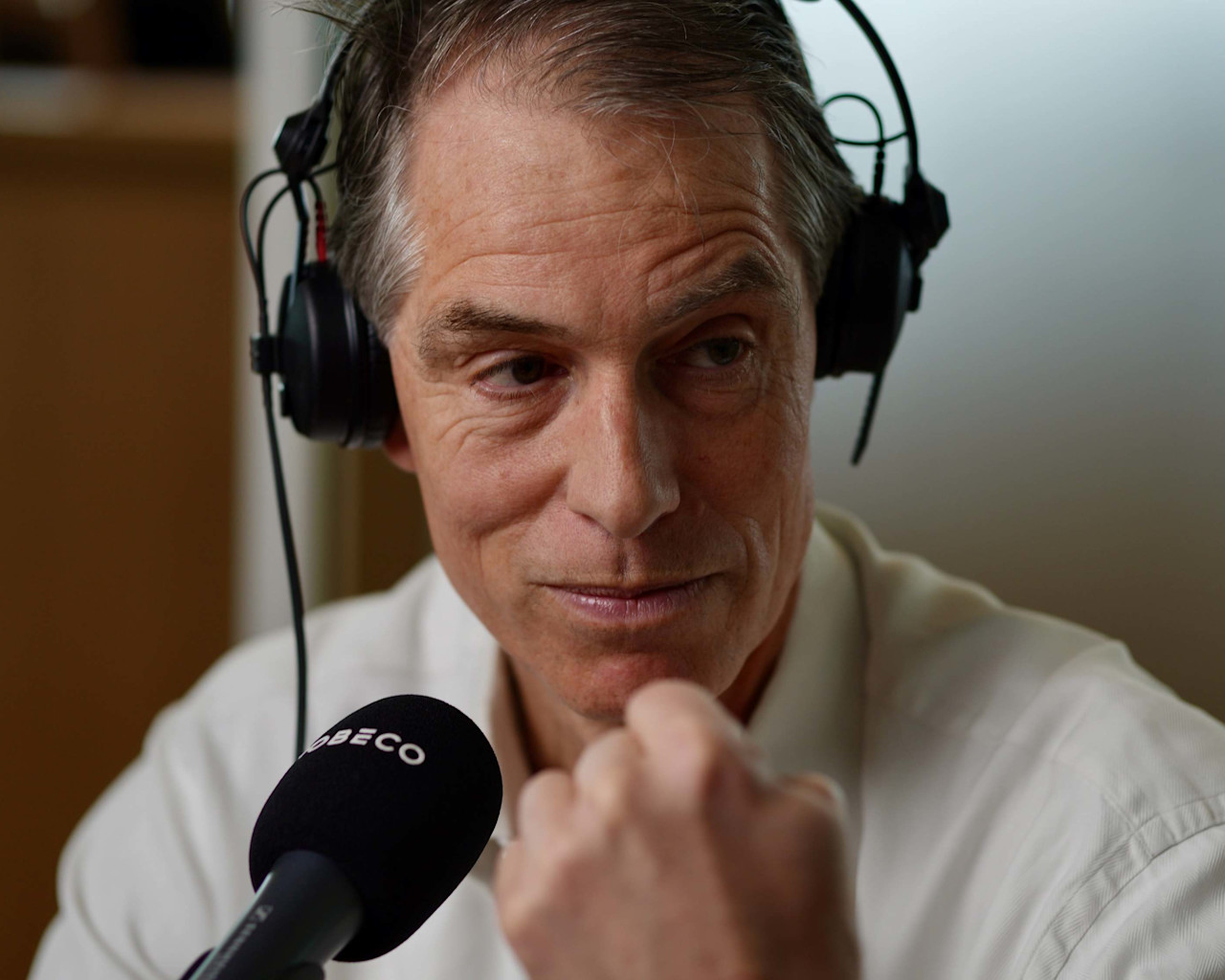
“The 2023 season had a set of unique trends that made our analysis more complex and required a more balanced assessment of several governance and sustainability issues,” says Michiel van Esch, Head of Voting at Robeco.
“One of these trends is the so-called Anti-ESG movement, which became more prominent in 2023. Several organizations have started filing shareholder resolutions that appear to ask for regular governance best practices, such as an independent chairman, with an underlying narrative against the ESG efforts of companies including diversity and inclusion policies, or social benefit policies. These resolutions have added to a more politized and polarized AGM season than in previous years.”
This was the first year that physical attendance was made possible for almost all AGMs after the Covid pandemic took everything online – though it proved not to be the case that ‘normality’ had fully returned.
“We also noticed that the AGM attendance itself has shifted in tone and nature,” Van Esch says. “In some cases, these meetings become a platform for protest, either on climate change, social issues, or other frustrations with companies that often face conflicting expectations from stakeholders.”
“The AGM as a platform will need some work in the future, making sure that it can remain an effective platform for exchange of thought and information, potentially for a wider set of stakeholders.”
Energy crisis dominates
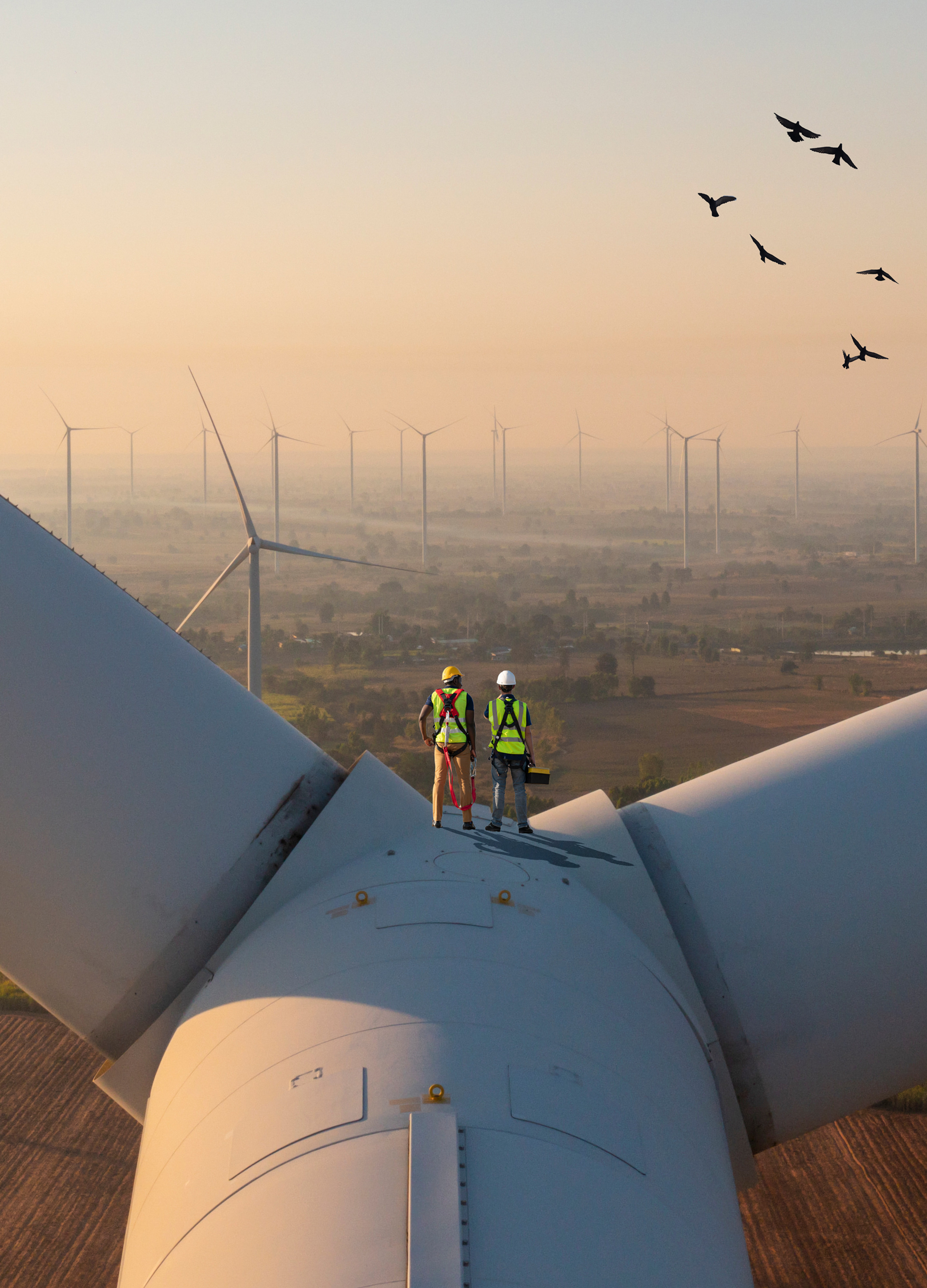
The season also saw a change in tone for climate change amid an energy crisis that has led many companies to delay plans to cut emissions to achieve net zero amid a greater reliance on fossil fuels. The war in Ukraine led to a dash to gas in Europe and even a greater use of coal-fired power.
“The energy crisis and commodity prices seem to have slowed down (or at least changed) the ambition levels of several high emitting companies’ transition plans,” Van Esch says.
“Several companies loosened their ambitions, leading to varying reactions from shareholders; some were vocally disappointed, others were lenient towards management and others were not supporting transition ambitions anyway.”
Keep up with the latest sustainable insights
Join our newsletter to explore the trends shaping SI.
Higher biodiversity focus
There was greater interest in biodiversity as a serious issue as preserving nature moves ever higher up the corporate and investor agendas. “This year, we strengthened our voting policy by introducing a voting approach focusing on biodiversity, one of our strategic sustainability topics, next to climate change and human rights,” Van Esch says.
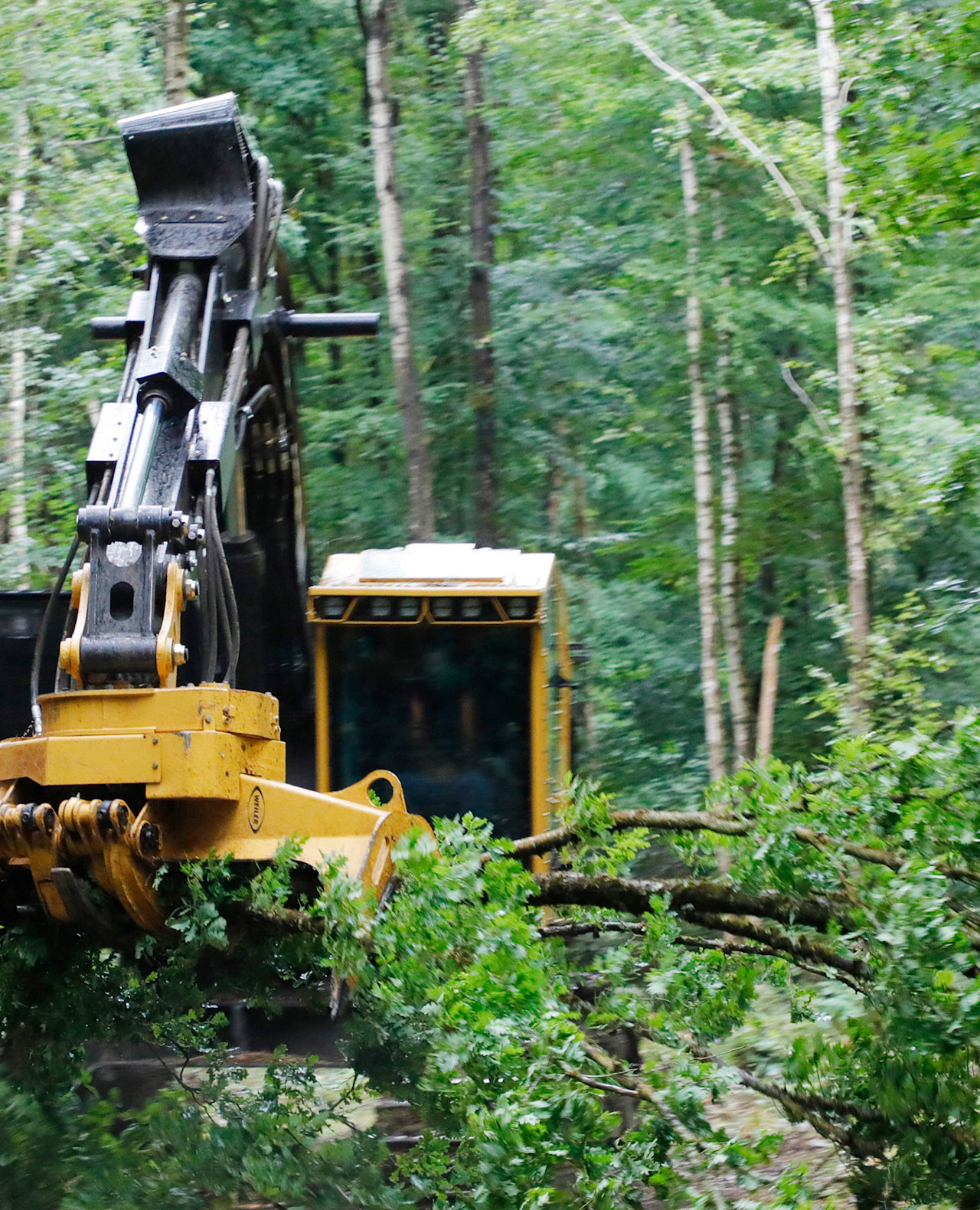
“We expect companies to take action on mitigating biodiversity loss and for those companies that have high exposure to deforestation risk commodities to have adequate policies and processes in place to address those risks.”
ESG links to remuneration
And there were the usual arguments about executive pay, with a greater focus this year on securing more sustainability related packages, rather than the more predictable complaining about how much a CEO was paid.
“We saw an increasing number of companies continuing to introduce ESG components to their variable pay,” Van Esch says.
“In our opinion, this is a good trend, and it is encouraging that companies are often tying these to the sustainability ambitions of their overall strategy. At the same time, disclosures and measurements on many occasions should be further improved.”
Important information
THIS WEBSITE IS SOLELY INTENDED FOR PROFESSIONAL INVESTORS, WHICH HAS THE MEANING ASCRIBED TO IT IN THE SECURITIES AND FUTURES ORDINANCE (CAP. 571 OF THE LAWS OF HONG KONG) AND ITS SUBSIDIARY LEGISLATION. Investment involves risks. Past performance is not indicative of future performance. The information contained in this website is provided for reference only and does not constitute investment advice or an offer or solicitation to buy or sell in any securities or to adopt any investment strategy. Investors should not base their investment decisions solely on the information provided on this website and are advised to seek independent advice (including advice on tax implications) before making any investment decisions. Investors should ensure they fully understand the risks associated with the investment products and should also consider their own investment objectives and risk tolerance level. The investment decision is yours. You should not invest unless the intermediary who sells you the investment products has advised you that it is suitable for you and has explained how it is consistent with your investment objectives. Please refer to the relevant offering documents or other legal documents for further details including the risk factors. This website is published by Robeco Hong Kong Limited which is regulated by the Hong Kong Securities and Futures Commission (“SFC”) (CE No. APU851). This website has not been reviewed by the SFC. No assurance can be given that the investment objective of any investment products will be achieved. No representation or promise as to the performance of any investment products or the return on an investment is made. The value of investments may fluctuate. Past performance, projections, or forecasts included in this website should not be regarded as guarantees or indications of future performance, and no express or implied warranty is provided. The contents of this website are based on sources believed to be reliable, but due to the nature of information delivery technology and the necessity of using multiple data sources, including third party content, their accuracy is not guaranteed. The opinions expressed are as of the date shown above and may change as market conditions evolve, and are subject to change without notice. These opinions may differ from those of other Robeco investment professionals. Robeco accepts no liability for any direct, indirect, or consequential loss arising from the use of this material or any comments, opinions, or estimates contained herein. Robeco has no duty to update this website or any website content. Materials on this website may not be reproduced, distributed, or published without prior written permission from Robeco. Unless otherwise specified, Source: Robeco.