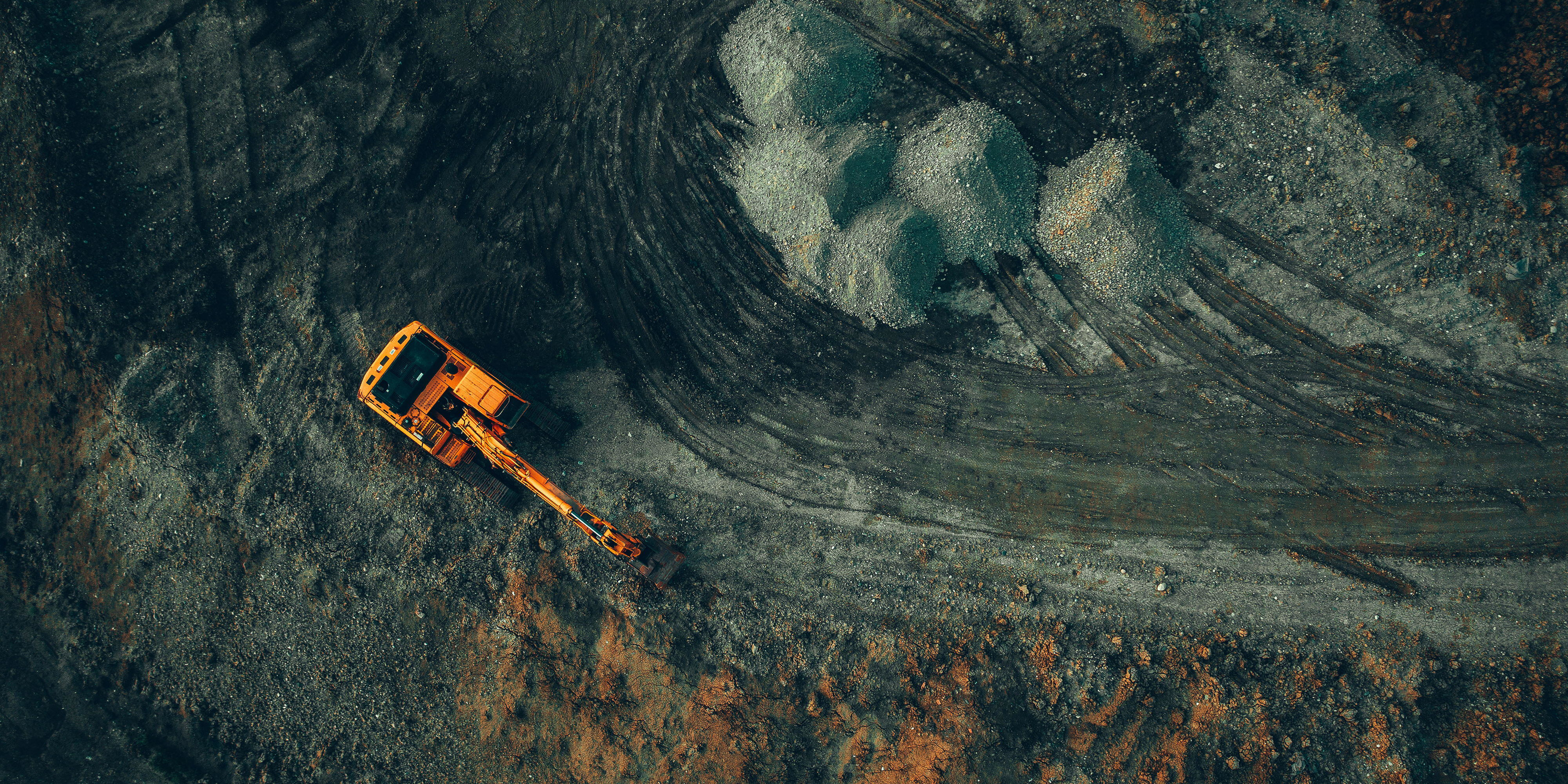
The safety of tailings dams has been a priority following two disasters at iron ore mines in Brazil. Some 270 people were killed when the Brumadinho tailings dam collapsed in 2019, unleashing a mudflow that engulfed local buildings. It followed a similar incident in 2015, when 19 people were killed when the Samarco tailings dam collapsed, resulting in extensive flooding and pollution.
The Investor Mining and Tailings initiative, led by the Church of England, was launched to improve focus and data collection in this dangerous arena. “When we look at the issue of tailings safety, we see that the industry has responded positively to the global call for enhanced disclosures after the two major tailing dam breaches in Brazil,” Van Waveren says.
“In our peer group, eight companies now disclose all their tailings storage facilities under operation to the Global Tailings Database. Moreover, nine companies have committed to implementing the Global Industry Standard on Tailings Management, which sets best practice on integrating environmental, social and technical considerations.”
“However, our objective on phasing out high-risk tailing storage structures has seen less traction, with only two companies committing to developing dry-tailings storage for any new facilities, and five considering measures to mitigate safety risks from dams classified as high-risk. To guarantee environmental and human safety, each company is expected to set targets for the phasing out, or decommissioning, of its high-risk tailings dams.”