
Head of Active Ownership

• Insight
New engagement themes for 2026 to cover climate and AI
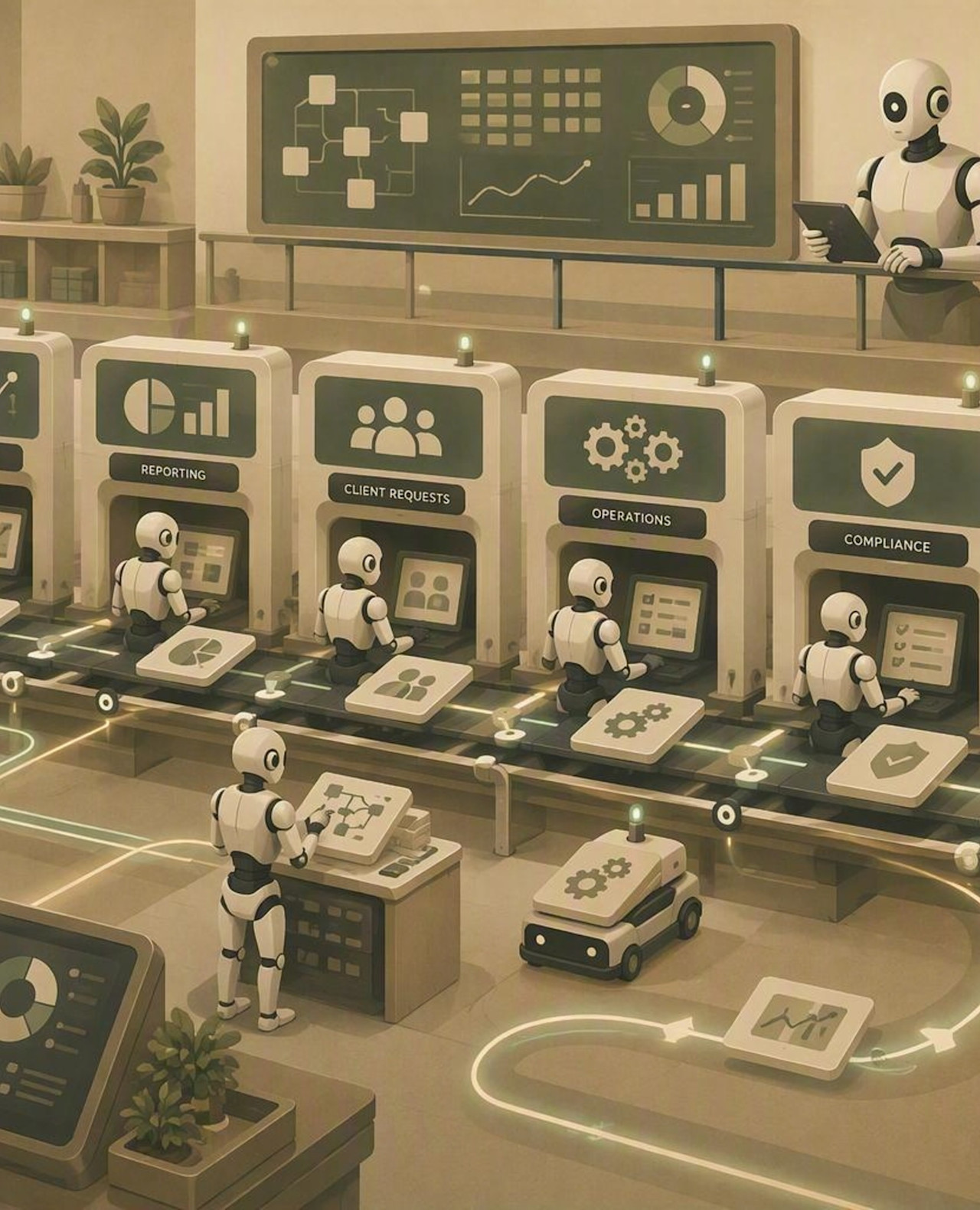
Three new engagement themes covering climate change and artificial intelligence will be launched by Robeco’s Active Ownership team in 2026.
Authors



Summary
- Themes on physical resilience to climate change and sovereign engagement
- Responsible use of AI theme will look at energy sourcing and social controls
- Two evergreen themes on conflict zones and biodiversity to continue
The new climate themes will engage firstly with companies on their physical exposures and adaption readiness for severe weather events, and secondly with governments on their responses to global warming and decarbonization generally. The third theme will tackle the responsible use of AI as it spreads throughout the world, creating trillion-dollar companies in its wake.
Two themes on human rights in conflict areas and protecting biodiversity will also be extended, as wars in Gaza and Ukraine continue, and following the launch of Robeco’s Climate and Nature Transition Plan 2025-2030. All come as the Active Ownership team celebrates its 20th anniversary of using engagement and voting to make investing more sustainable.
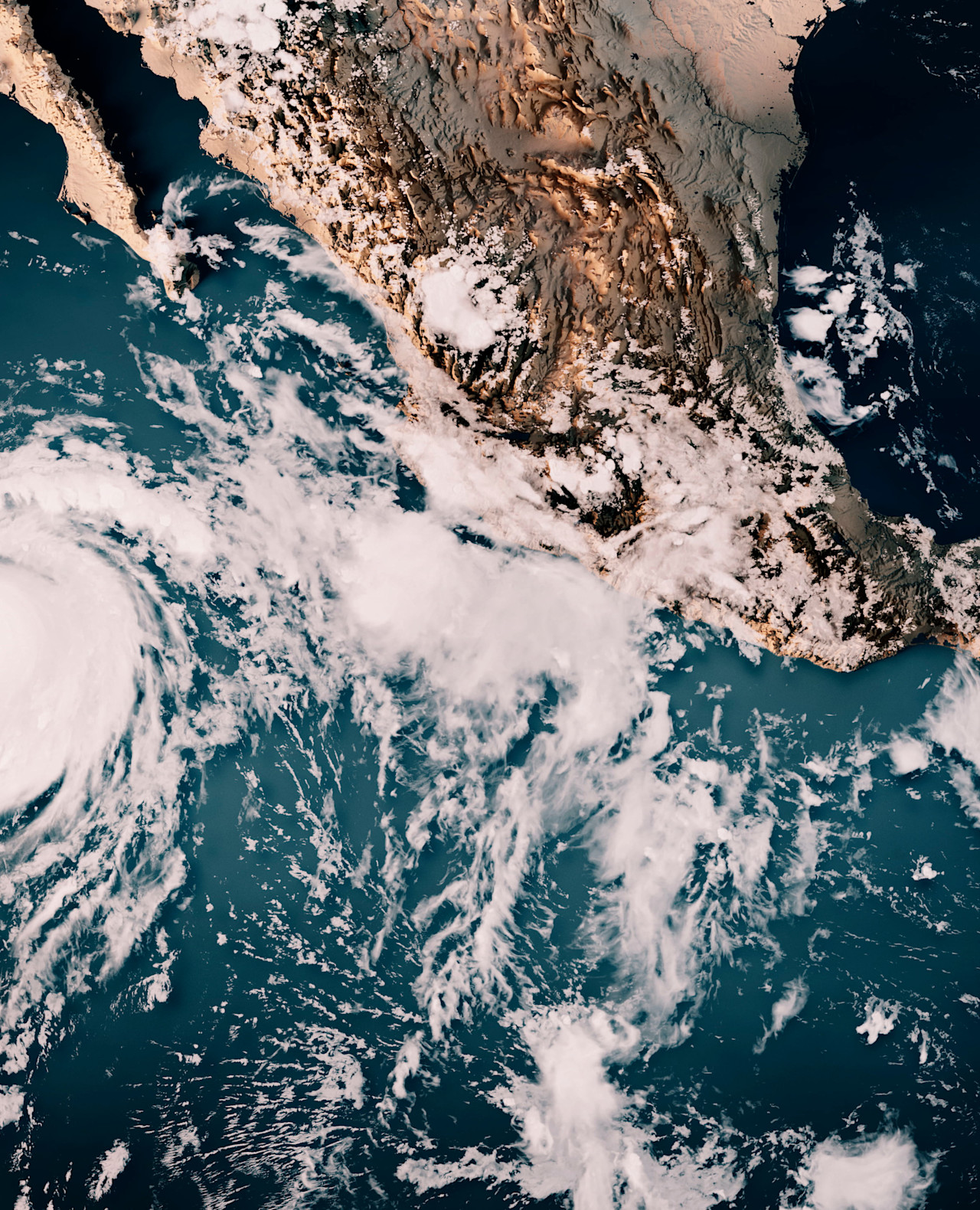
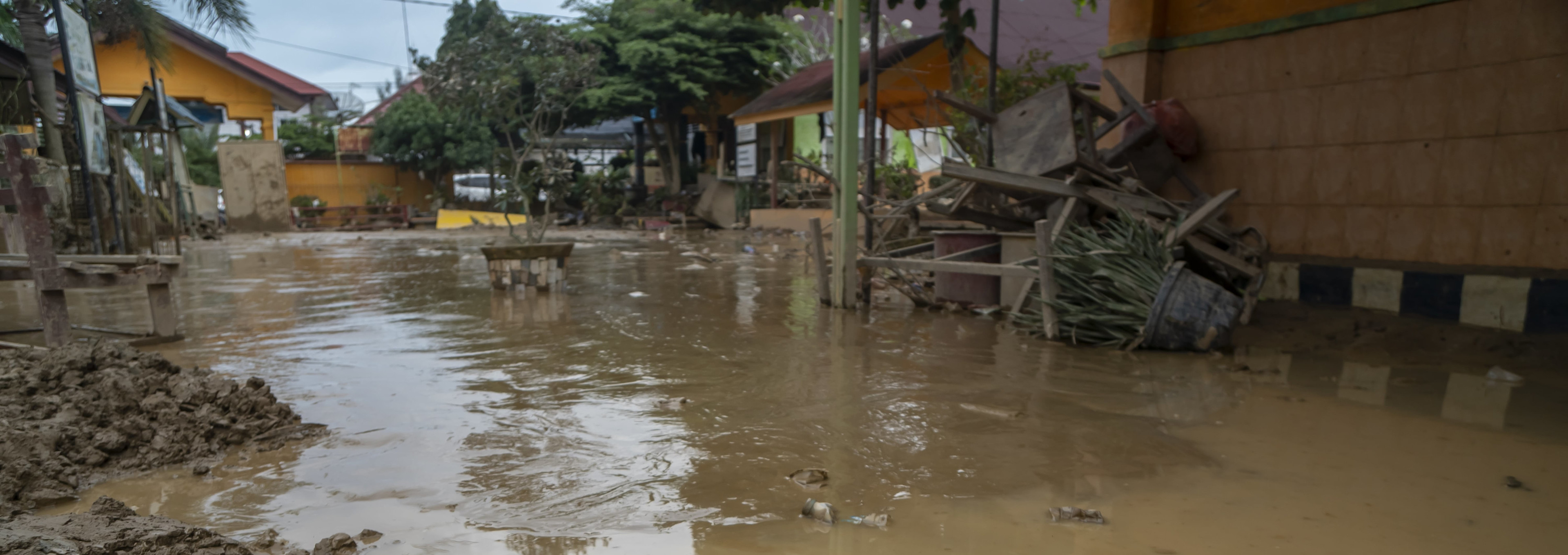
“We’re starting an engagement theme on physical resilience, which is the other side of climate change from transition, focusing particularly on sectors that face the largest risks, such as flooding, extreme weather events, water stress, and more,” says Engagement Specialist Alex Mortimer, who will work on the theme with colleague Harry Ashman.
“All companies are in some way dependent on the area where they run their business, but reliable and comparable data on this risk exposure is still in development. We’ll need to use the best-available research to identify which companies are more exposed to physical climate risks without sufficient adaptation planning, and stay up to date on the latest findings.”
“It's worth keeping in mind that even if owned assets aren’t at risk, the supply chains that a business depends on might be. Think of how dependent the agricultural sector is on water availability and proper weather conditions. Even if a food processing plant may be out of harm’s way, it will grind to halt if a company can’t source raw materials due to widespread crop failure.”
Stakeholder management
“Resilience and adaptation are not an alternative to mitigation,” adds Senior Engagement Specialist Ashman. “However, as society fails to decarbonize quickly enough, we are locking in increasingly frequent and severe impacts from physical hazards, making resilience and adaptation more pressing than ever.”
“We will be building on our previous climate engagement experience to assess the measures that companies are taking to assess and adapt to these risks. Companies will be asked to consider their value chain as well as their own operations, to integrate nature into their approach, and to work with policymakers and local communities to ensure an effective approach. This theme will also assist the ongoing integration of physical risks into our portfolio risk management and investment decision making processes.”
Sovereign engagement in Europe
The sovereign engagement will take place with a number of European governments within the Eurozone. The data needed will come from the Assessing Sovereign Climate-related Opportunities and Risks (ASCOR) platform, which assesses how countries are managing the low-carbon transition. This data also underpins bond selection for Robeco’s Climate Euro Government Bond ETF.
“Up until now we have embarked on sovereign engagement about deforestation with Brazil and Indonesia and in Australia and Canada on climate,” says Environmental Engagement Cluster Lead Cristina Cedillo Torres. “So we’re now expanding this program to include European governments on climate.”
“It will be an intensive engagement program that will build on our experience with sovereign engagement of recent years and actively bring our perspective on the critical relevance of robust climate policies within our investment processes.”
Gaining intelligence on AI
Engagement on the responsible use of artificial intelligence with tech software and microchip hardware companies has two aspects.
“The first is energy use, as all these data centers for AI are quite energy hungry, and they’re significantly adding to carbon emissions,” says Social Engagement Cluster Lead Danielle Essink, who is leading the theme with colleague Samuel Radford.
“So we’ll look at the efficiency of energy use, whether they are using renewable power sources, their carbon footprints, and whether these footprints can be offset. That’s on the environmental side.”
Get the latest insights
Subscribe to our newsletter for investment updates and expert analysis.
Content and controls
“The social side of AI’s impact is also top of mind for our clients, particularly with issues like misinformation and content moderation,” adds Engagement Specialist Radford. “As AI use grows, we need to make sure it is done responsibly, with the right controls in place. Our engagement will look to ensure this is done proactively, not reactively.”
“And it’s not just about focusing on the negatives. We’re still very positive about the technological opportunities that AI provides. There is obviously potential disruption in some business models, but also productivity gains to be made.”
Conflict areas and nature
The three new themes will run alongside two evergreen themes on human rights in conflict areas, and on biodiversity. A theme on the need for companies to do their due diligence on operating in, or sourcing from, conflict zones launched in 2022 and was due to end in 2025.
“It is very sad that the number of regional and international conflicts have increased since we started the engagement,” says Essink. “The importance of enhanced human rights due diligence has never been highlighted so prominently, as companies whose own operations or supply chains are connected to conflicts face challenges.”
Aligning with a new roadmap
And with the launch of Robeco’s Climate and Nature Transition Plan 2025-2030 in November, updating the earlier net-zero climate roadmap of 2021, the team will ramp up its nature-related engagement work to tackle companies that have the highest impact on water, hazardous waste and deforestation across portfolios.
“We will extend the coverage of our nature engagements, prioritizing companies with the highest impacts on the drivers of nature loss but failing to manage these risks effectively,” says Senior Engagement Specialist Laura Bosch.
“We’ll leverage Robeco’s Biodiversity Traffic Light scores to further inform our nature engagement work and deliver on the commitments from our Climate and Nature Transition Plan published few months ago.”
Important information
THIS WEBSITE IS SOLELY INTENDED FOR PROFESSIONAL INVESTORS, WHICH HAS THE MEANING ASCRIBED TO IT IN THE SECURITIES AND FUTURES ORDINANCE (CAP. 571 OF THE LAWS OF HONG KONG) AND ITS SUBSIDIARY LEGISLATION. Investment involves risks. Past performance is not indicative of future performance. The information contained in this website is provided for reference only and does not constitute investment advice or an offer or solicitation to buy or sell in any securities or to adopt any investment strategy. Investors should not base their investment decisions solely on the information provided on this website and are advised to seek independent advice (including advice on tax implications) before making any investment decisions. Investors should ensure they fully understand the risks associated with the investment products and should also consider their own investment objectives and risk tolerance level. The investment decision is yours. You should not invest unless the intermediary who sells you the investment products has advised you that it is suitable for you and has explained how it is consistent with your investment objectives. Please refer to the relevant offering documents or other legal documents for further details including the risk factors. This website is published by Robeco Hong Kong Limited which is regulated by the Hong Kong Securities and Futures Commission (“SFC”) (CE No. APU851). This website has not been reviewed by the SFC. No assurance can be given that the investment objective of any investment products will be achieved. No representation or promise as to the performance of any investment products or the return on an investment is made. The value of investments may fluctuate. Past performance, projections, or forecasts included in this website should not be regarded as guarantees or indications of future performance, and no express or implied warranty is provided. The contents of this website are based on sources believed to be reliable, but due to the nature of information delivery technology and the necessity of using multiple data sources, including third party content, their accuracy is not guaranteed. The opinions expressed are as of the date shown above and may change as market conditions evolve, and are subject to change without notice. These opinions may differ from those of other Robeco investment professionals. Robeco accepts no liability for any direct, indirect, or consequential loss arising from the use of this material or any comments, opinions, or estimates contained herein. Robeco has no duty to update this website or any website content. Materials on this website may not be reproduced, distributed, or published without prior written permission from Robeco. Unless otherwise specified, Source: Robeco.