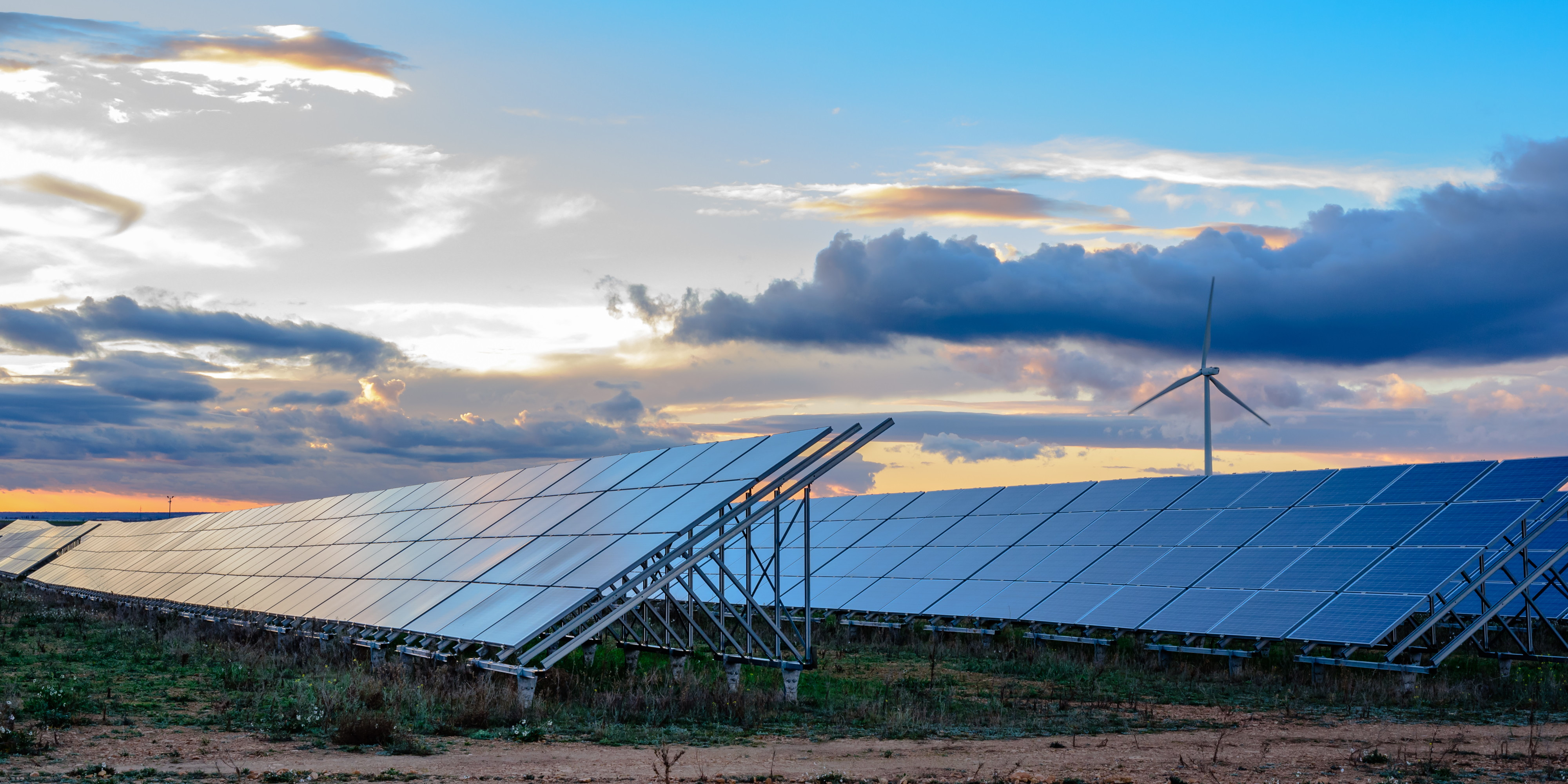
The global challenge of climate change has been resistant to technological solutions but the good news is that building the future grid is both practical and possible. Potential investable technologies include:
Next Generation Transmission infrastructure
Companies providing services for transmission line construction, operation and maintenance are anticipating higher order intake to connect new renewable projects to the grid. Due to the current level of underinvestment, the volume of essential construction projects is likely to continue to grow for years to come.
Smart metering
Smart meters provide utilities with actionable information on consumption and operation at the 'grid edge' and provide the end user with real-time feedback, enabling them to make more cost and energy-efficient decisions around consumption.
Existing smart meter manufacturers are also leading in provision of demand management solutions as they are already partners of utilities on the distribution side.
Virtual power plants
A virtual power plant (VPP) refers to a localized electricity grid with its own points of generation, consumption and storage. In an urban context, these might be roof-top solar panels, household appliances and electric vehicles respectively. It is a set of systems that optimizes and automates the generation, flow and consumption of electricity in complex use cases, such as residential areas or industrial sites.
Cybersecurity
Electricity grids are the largest 'cyber-physical' systems in the world, meaning access to the operating software can lead to direct control of physical assets. This is making cybersecurity investment an essential element of grid design and management.
The other facet of the grid that requires cyber safeguards is the electricity market itself. An interesting solution has emerged in Europe, where Transmission System Operators (TSOs) launched a 'crowd-balancing platform' called Equigy7 using private blockchain technology, facilitating the sale of excess electricity.