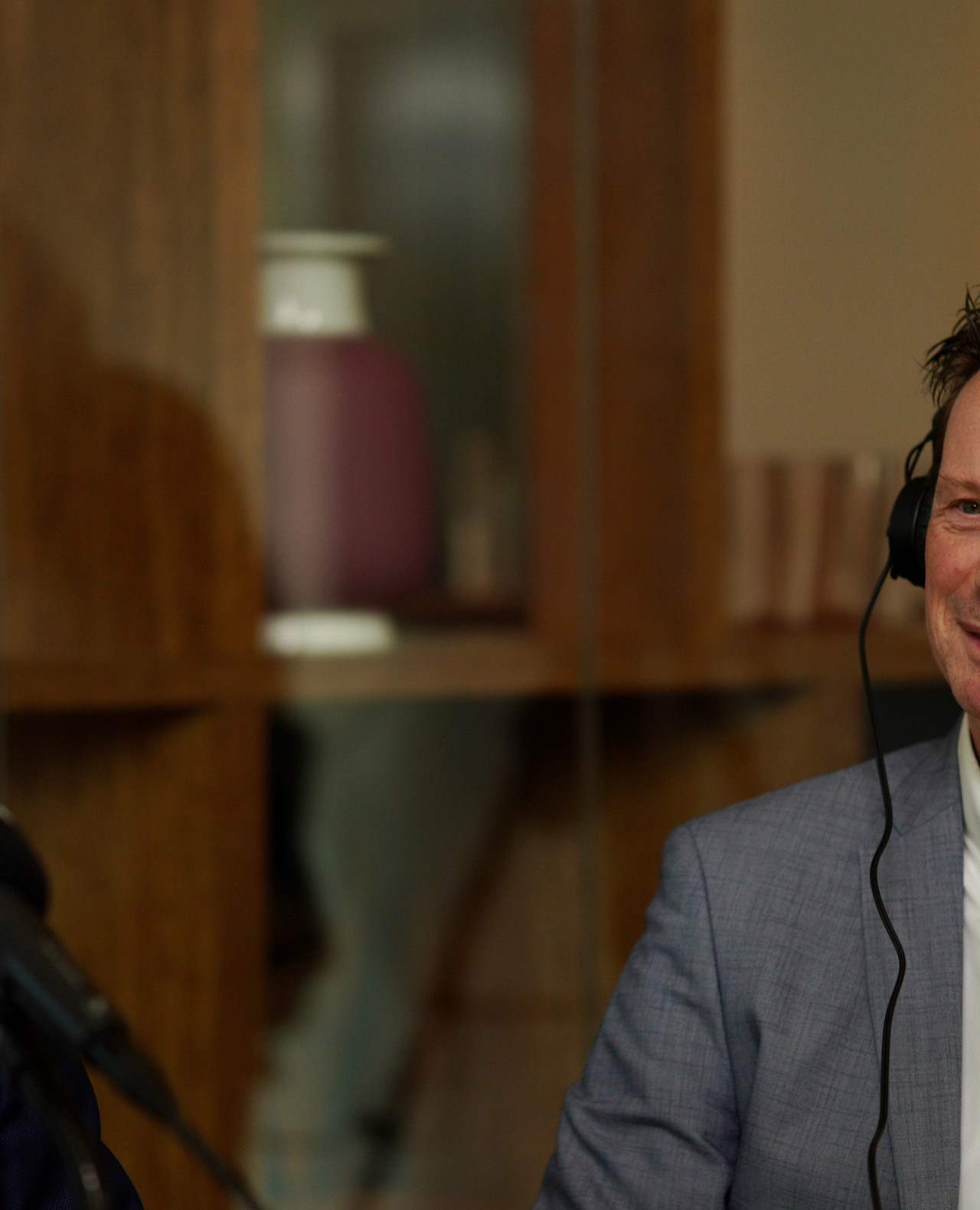



As a long-term investor, how do you manage through uncertainty such as the current market turmoil?
“First you need to consider the purpose of the investment. My perspective is that of a former pension fund manager who oversaw a maturing and unleveraged scheme. In this case, pension contributions still cover pension payments comfortably, so there is no dependence on the asset portfolio. Pension funds in Switzerland are also required to have a securities valuation reserve, which is established to provide a buffer.”
“Therefore, there is no immediate pressure to sell fast, as the portfolio is designed to accommodate market declines to a certain extent. This can cover significant losses for a year or so. But if this trend continues for several years, we would have to assess our options. The market turmoil mainly – but not only – concerns equities. For this, we have a risk management tool to manage our allocations. So if volatility and other price-based indicators exhibit extreme levels, we can change our positioning accordingly.”
“The average equity exposure is 25% of the portfolio. If conditions are favorable then we can add to our position by a certain amount. If the environment becomes very risky, we can trim our holding by a defined amount. But we never dip below this lower level and we always remain invested. Within our equity basket, we also have an allocation to low volatility stocks. Robeco Conservative Equities strategies account for considerable portions of our developed market and emerging market equity holdings, respectively. So this further reduces our exposure to risk.”
“In terms of fixed income, we have not changed our allocation. However, we have marginally shortened the duration. We prefer not to make significant changes as market timing usually backfires. Also, fixed income is like a Janus head. As interest rates rise, capital values go down. But then again, the portfolio begins to earn more interest. And because this results in a higher discount rate, pension benefit reserves decline on the passive side of the balance sheet. So as rates go up, this helps the portfolio as it improves its coverage ratio.”
“Then we have an allocation of around 5% to private debt with variable rates. This is of immense help from an accounting perspective, although it is a valuation illusion as any big movements in market values are delayed. Of course they are there, there is no doubt, but accounting helps here. And usually over time, periods of market turmoil do turn around. So as you can see, I am a bit of an optimist.”